
ABA In Home Services Versus Center-Based Therapy: 2026 Guide
Choosing the right setting for autism therapy can shape your child’s progress and overall well-being. If you are wondering whether aba in home services or center-based therapy is best, you are not alone. Parents and caregivers face this important decision every day. This guide will walk you through a side-by-side comparison, covering definitions, benefits, challenges, cost factors, decision-making tips, and emerging trends for 2026. Get expert insights to help you make the most informed choice for your family’s unique needs. Keep reading to find the best path forward for your child.
Understanding ABA Therapy: Foundations and Modalities
Every child with autism is unique, so it's important to understand the foundations of ABA therapy before choosing between aba in home services and center-based care. In 2026, families and professionals are seeking effective, personalized approaches that support each child's growth. Let's explore what ABA therapy is, how its main modalities differ, and who stands to benefit most.
What is ABA Therapy?
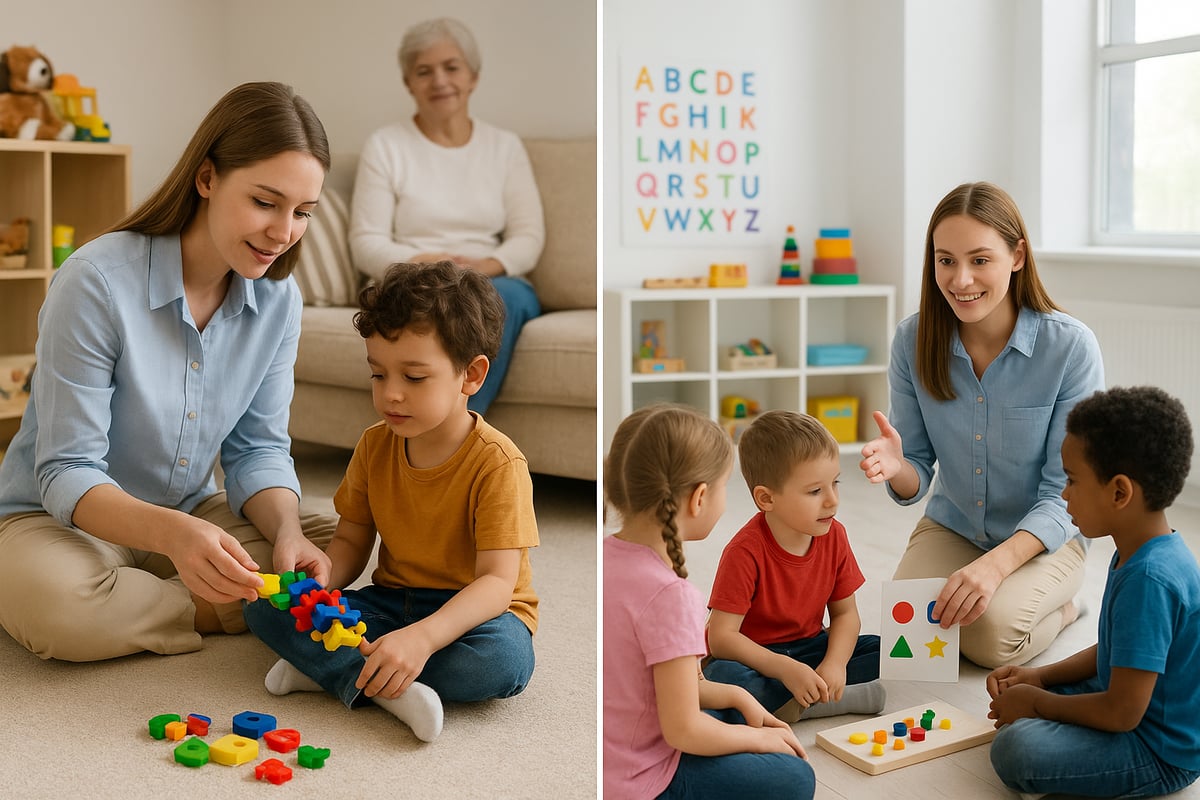
Applied Behavior Analysis (ABA) is an evidence-based therapy designed to improve behaviors and teach new skills, especially for children with Autism Spectrum Disorder (ASD). The core principles of ABA focus on understanding how behaviors are learned and how they can be changed through positive reinforcement and structured teaching.
ABA uses operant and respondent conditioning to help children build communication, social, and daily living skills. Each program is tailored to the individual's needs, with clear goals and ongoing progress monitoring. ABA is widely recognized for its effectiveness, with research from sources like Forbes and the CDC showing improved outcomes for many children. For families considering aba in home services, it's helpful to review ABA FAQs & Benefits of ABA Therapy to better understand the approach.
ABA Therapy Modalities: In-Home vs. Center-Based
ABA therapy is delivered in two main ways: aba in home services and center-based programs. In-home ABA brings therapy directly to the child's familiar environment, making it easier to address behaviors in everyday routines. Center-based ABA, on the other hand, provides services in a specialized clinic with structured spaces and professional supervision.
Both modalities share important features:
- Supervision by Board Certified Behavior Analysts (BCBAs)
- Data-driven, individualized treatment plans
- Active parent and caregiver involvement
However, key differences set them apart:
| Feature | In-Home ABA Services | Center-Based ABA Therapy |
|---|---|---|
| Environment | Child’s home | Clinic or therapy center |
| Peer Interaction | Limited | Frequent, group-based |
| Structure | Flexible, family routines | Highly structured, set schedule |
| Supervision | Usually 1:1, less immediate | Multiple therapists, direct BCBA |
Both aba in home services and center-based options align with best practices for helping children generalize skills beyond therapy sessions. The choice often comes down to which environment best supports the child’s learning and family’s needs.
Who Benefits from ABA Therapy?
ABA therapy is designed to help children with ASD who experience challenges like difficulty with social skills, communication, or self-care. Children as young as two can benefit, and early intervention often leads to stronger outcomes. ABA is also effective across a wide range of ages and developmental stages.
A typical ABA program recommends 10 to 40 hours per week, with annual costs ranging from $17,000 to over $100,000. Research shows that children who participate in high-quality ABA, whether through aba in home services or center-based care, often make meaningful gains in language, independence, and behavior. Most importantly, every ABA plan is customized to fit the child's abilities and the family's priorities, ensuring the best chance for success.
In-Home ABA Services: Benefits, Challenges, and Suitability
Choosing the right setting for your child’s therapy journey is a deeply personal decision. Many families wonder if aba in home services might be the best fit for their unique needs. Understanding the real-world benefits, potential obstacles, and who is most likely to thrive with this approach can help you make an informed choice.
Key Advantages of In-Home ABA Therapy
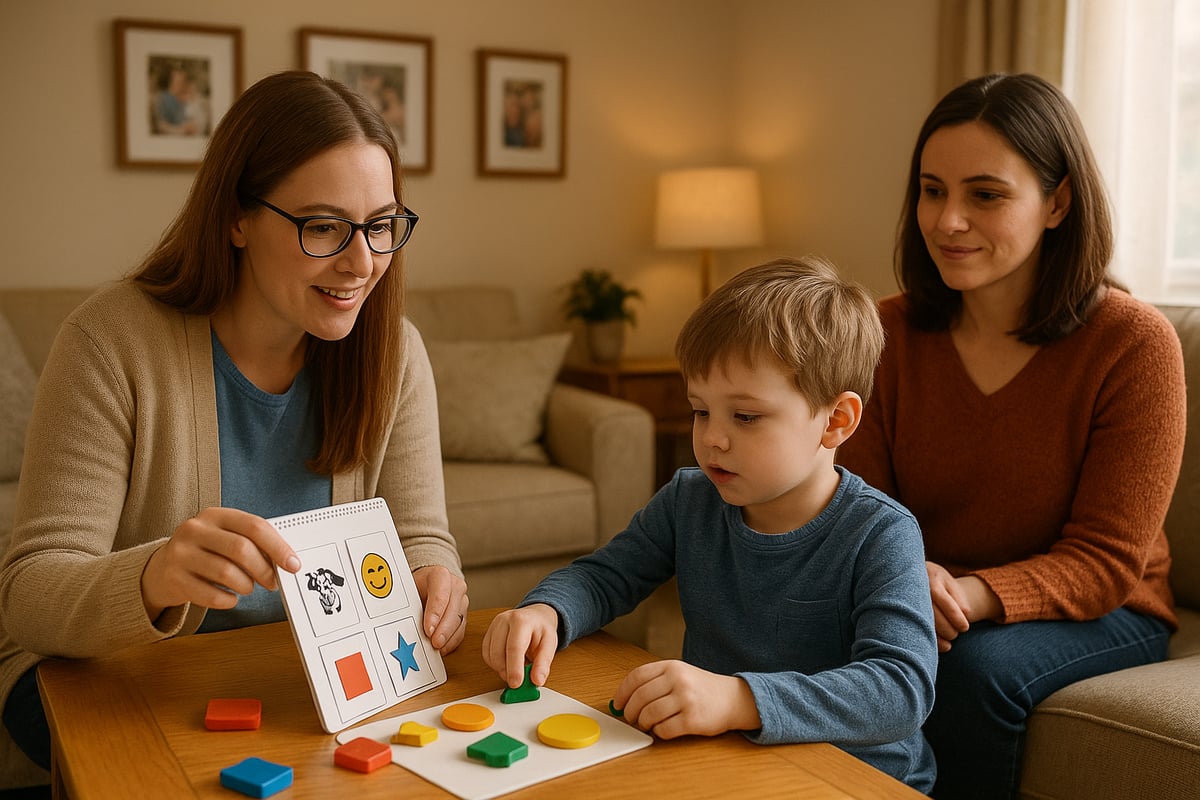
Aba in home services offer a comforting and familiar setting for children, easing anxiety and promoting a sense of safety. When therapy happens at home, kids can learn and practice vital skills right where they live, making it easier to apply new behaviors in daily routines.
Families play a much more active role with aba in home services. Siblings, caregivers, and even extended family can participate, learn strategies, and support progress between sessions. This involvement helps everyone feel empowered and connected to the therapy process.
There are several standout benefits:
- Reduced anxiety: The home environment is less intimidating than a clinic for many children.
- Family involvement: Parents and siblings can observe and practice techniques.
- Real-life skill building: Therapists can target specific home routines, like mealtime or bedtime.
- Better generalization: Skills learned during aba in home services are more likely to stick when practiced in the same context where challenges occur.
- Convenience: No need to travel, and scheduling is often more flexible for busy families.
Cost is another factor to consider. According to the CDC and Forbes, in-home sessions typically range from $120 to $150 per hour, depending on provider and location.
If you’re looking for ways to boost your child’s progress, check out these practical Reinforcing ABA Skills at Home strategies designed specifically for families using aba in home services.
Challenges and Limitations of In-Home ABA
While aba in home services bring many positives, there are challenges to consider. Home environments are full of distractions, from pets and siblings to background noise. These interruptions can make it harder for some children to focus during therapy.
Peer interaction is limited, which means children may miss out on opportunities to learn social skills from others their age. In a home setting, therapists often work alone, with less immediate supervision or collaboration from colleagues. This can impact the consistency and depth of support your child receives.
Aba in home services can also be affected by the variability of each household. Every home is different, and not all spaces are ideal for structured learning. Additionally, families may struggle to separate therapy time from regular family life, blurring important boundaries.
Insurance coverage for aba in home services can vary based on your provider and policy. Some insurers cover both settings equally, while others may have restrictions or require extra paperwork. Always check with your provider about what is included.
Ideal Candidates for In-Home ABA
Aba in home services are especially well-suited for children who feel anxious or overwhelmed in new places. If your child struggles with transitions or is most comfortable at home, this setting may help them relax and engage more fully in therapy.
Families who want to be closely involved in every session often prefer aba in home services. This is also a great option for those who need help addressing behaviors that only occur at home, such as aggression during mealtime or difficulty with self-care routines.
Here are some scenarios where in-home therapy shines:
- Children with high anxiety or sensory sensitivities.
- Households with complicated schedules or transportation issues.
- Families in rural areas or far from ABA centers.
- Kids with medical complexities who benefit from the safety of home.
By carefully considering your child’s needs, your family’s lifestyle, and the specific challenges you face, you can decide if aba in home services are the right fit.
Center-Based ABA Therapy: Structure, Socialization, and Outcomes
Choosing between aba in home services and center-based therapy can feel overwhelming for families. Understanding the unique structure and outcomes of center-based ABA helps parents and caregivers make choices that truly fit their child's needs.
Center-based ABA therapy offers a different environment than aba in home services, focusing on structured routines, peer interaction, and school readiness. Let’s explore what sets this approach apart and who may benefit most.
Major Benefits of Center-Based ABA Therapy
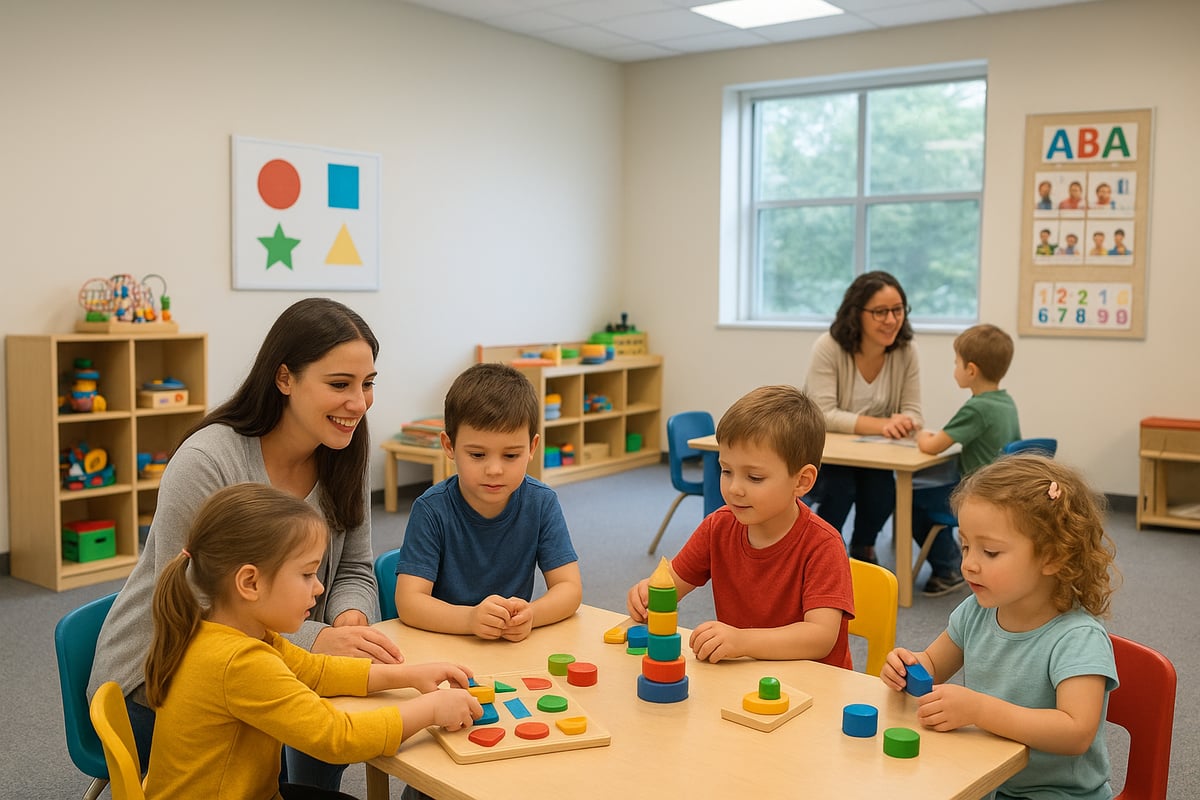
Center-based ABA therapy provides a structured, distraction-free setting that is purposefully designed for learning. Unlike aba in home services, the center environment is optimized to reduce interruptions, helping children focus on their goals.
A key benefit is daily access to peer interaction. Children can participate in group activities, practice sharing, and develop social skills in real time. This exposure can be especially helpful for kids preparing to enter school or community programs.
Another advantage is the high level of professional collaboration. Board Certified Behavior Analysts (BCBAs) and Registered Behavior Technicians (RBTs) work together on-site, allowing for immediate supervision and real-time adjustments to therapy plans. This can lead to faster progress for some children.
Centers also create opportunities to simulate classroom routines. Children learn to transition between activities, follow group instructions, and practice communication in a controlled environment. According to research on the Effectiveness of ABA Therapy Environments, some children achieve higher mastery rates in center-based settings compared to aba in home services.
| Benefit | Center-Based ABA | Aba in Home Services |
|---|---|---|
| Structured setting | ✔️ | ❌ |
| Peer interaction | ✔️ | ❌ |
| Real-time supervision | ✔️ | ❌ |
| School readiness focus | ✔️ | ❌ |
Challenges and Considerations for Center-Based ABA
While center-based therapy has clear strengths, families should also consider potential challenges compared to aba in home services. Centers typically operate on set schedules, which may not align with every family's routine or work commitments.
Direct family involvement in therapy sessions is usually less frequent than with aba in home services. Some parents may feel less connected to the daily therapy process, although many centers offer regular updates and parent training.
Transportation is another factor. Getting to and from the center can be difficult for families without reliable access to a car or public transit. This is especially true in rural areas where centers are less accessible.
Children with sensory sensitivities may find new environments overwhelming at first. Bright lights, unfamiliar sounds, or group activities can sometimes trigger discomfort. Center-based programs often address these needs, but it’s important to assess your child’s comfort level.
Insurance coverage for center-based ABA can also differ from aba in home services, depending on provider networks and state regulations. Families should check with their insurance company to understand coverage specifics.
Who Thrives in Center-Based ABA Settings?
Certain children may see the most benefit from a structured, center-based ABA program rather than aba in home services. Children who enjoy socializing or learn best with peers often respond well to group activities and classroom simulations.
Families looking for intensive, school-readiness-focused programs may find that center-based therapy aligns with their goals. The routine and predictability of a center can help children who are preparing to transition into preschool or kindergarten.
Children with low anxiety in new settings are usually good candidates. If your child adapts quickly to new environments and enjoys group play, a center may be the right fit.
Here are examples of children who might thrive:
- Preschoolers needing to practice group participation
- Kids building skills for classroom routines
- Children eager for peer friendship opportunities
Choosing between center-based ABA and aba in home services should be based on your child’s temperament, developmental goals, and comfort level. Talk with your provider to discuss which approach aligns best with your family’s needs.
Ujala Life: Center-Based ABA Therapy in New Jersey
Ujala Life offers comprehensive, center-based ABA therapy for children with ASD across New Jersey. Their approach stands out compared to traditional aba in home services by providing a highly structured, naturalistic, and play-based environment.
Each child receives an individualized program crafted by experienced BCBAs. Therapists are culturally matched to families, ensuring thoughtful and supportive care. Ujala Life’s centers encourage strong parent collaboration, with regular updates and training sessions.
Multiple locations in Union, Middlesex, Essex, and soon Bergen County make services accessible for many families. Ujala Life accepts all major insurance plans and assists parents in navigating coverage and paperwork.
If you are exploring options beyond aba in home services, consider visiting Ujala Life to see how center-based ABA can support your child’s growth and school readiness.
Cost, Insurance, and Accessibility: What Families Need to Know
Choosing between aba in home services and center-based therapy means balancing more than just clinical needs. Families also face important questions about costs, insurance, and access. Understanding these factors can help you make the most informed, practical decision for your child and family.
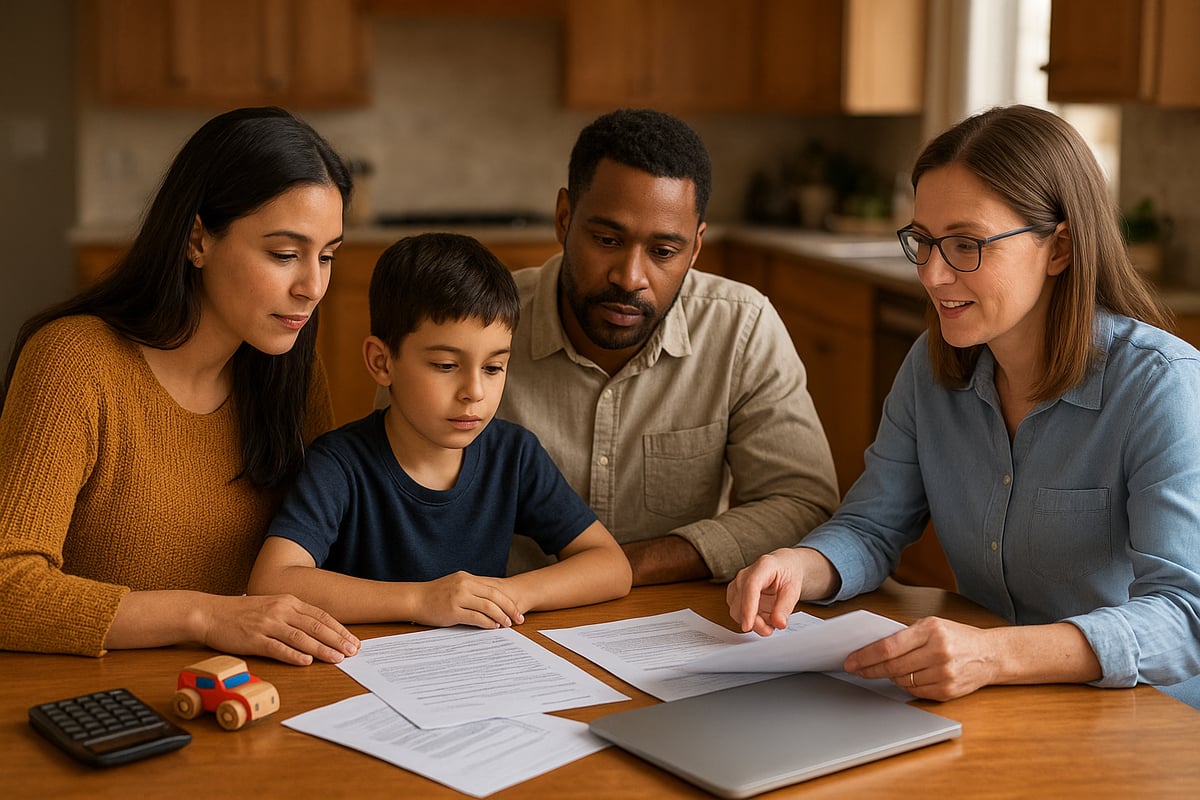
Comparing Costs: In-Home vs. Center-Based ABA
The financial side of aba in home services is often top of mind for families. While both in-home and center-based ABA therapy can be life-changing, their costs can differ significantly. On average, in-home ABA sessions range from $120 to $150 per hour, while center-based therapy rates can vary based on location, provider, and intensity.
Here is a quick comparison:
| Setting | Hourly Cost | Annual Cost Estimate | Notes |
|---|---|---|---|
| In-Home ABA | $120–$150 | $17,000–$100,000+ | No travel, home environment |
| Center-Based ABA | Varies | $17,000–$100,000+ | Facility fees, group sessions |
Several factors influence what you pay: how many hours per week your child needs, the provider’s rates, where you live, and your child’s unique needs. Some families find that aba in home services require fewer travel or facility fees, while others see higher costs due to individualized attention.
For a detailed comparison of hourly rates and annual expenses, you may find the Cost of ABA Therapy resource helpful. It breaks down the financial aspects of both options and can guide your planning.
Insurance Coverage and Financial Considerations
Insurance is a critical piece of the puzzle for families considering aba in home services. Most states mandate some level of ABA therapy coverage, but the specifics vary widely. Some insurance plans offer better coverage for center-based services, while others may support in-home therapy equally.
Before starting, ask providers and insurers questions like:
- Does my plan cover aba in home services?
- Are there annual or lifetime caps?
- What are the co-pays and deductibles?
- Are there differences in coverage by setting?
For example, Tennessee law provides about $30,000 per year for ASD therapy, but out-of-pocket costs can still add up quickly. Reviewing your policy closely and discussing options with both your provider and insurance company is essential. This can help you avoid unexpected expenses and maximize your benefits.
Accessibility and Waitlists
Accessing aba in home services or center-based therapy can depend on where you live and local provider availability. Urban areas often have more choices, but waitlists can still be long due to therapist shortages. Rural families may face fewer options and longer waits, especially for in-home therapy.
To improve access, consider:
- Signing up for multiple waitlists
- Asking providers about telehealth or hybrid models
- Connecting with local support groups for referrals
Understanding these barriers can help you prepare and advocate for timely services for your child.
Navigating Financial Assistance and Resources
For many families, affording aba in home services requires creativity and persistence. Start by maximizing your insurance benefits—ask providers to help with verification and paperwork. Many communities offer grants, Medicaid waivers, or nonprofit support for autism therapy.
Some helpful steps:
- Research local and national autism organizations for financial aid
- Ask about provider payment plans
- Plan for long-term costs as your child’s needs evolve
By exploring every available resource, you can help ensure your child gets the support they need, whether through aba in home services or a center-based program.
How to Decide: Factors to Consider When Choosing ABA Services
Choosing between aba in home services and center-based therapy is a deeply personal process for families. There is no universal answer, but understanding the key factors can help you feel confident as you navigate this important choice. Each child and family is unique, so let's break down what you should consider before making your decision.
Child-Centered Considerations
Every child with autism has a unique personality, learning style, and set of needs. Start by observing how your child responds to different environments. Some children thrive in the comfort of their home, while others are energized by new settings and peers.
Consider:
- How does your child handle transitions and unfamiliar spaces?
- Is your child motivated by group activities, or do they learn best one-on-one?
- Does your child have sensory sensitivities that might be triggered in a center setting?
For children who experience anxiety in new places, aba in home services can offer a sense of safety. In-home therapy allows therapists to address behaviors where they naturally occur. For more insights into how learning in a natural environment benefits children, check out Natural Environment Teaching in ABA.
On the other hand, if your child is preparing for school or needs more practice with peers, a center-based program might be ideal. Think about your child’s developmental goals: independence, communication, and socialization. Involving your child in the decision, when possible, empowers them and helps set the stage for success.
Family and Lifestyle Factors
Your family’s routines, responsibilities, and preferences play a huge role in choosing the right setting. Ask yourself:
- How much time can you devote to participating in sessions?
- Are there transportation or scheduling challenges?
- Do you have multiple children or other caregiving needs?
- Does your household environment support focused learning?
Aba in home services offer flexibility for families with busy or unpredictable schedules. If you need therapy tailored to your home routines—like managing bedtime, mealtime, or sibling interactions—in-home might be a better fit. Families in rural areas or with limited transportation often find this option more accessible.
However, some families prefer the structure and separation of a center. If your home is bustling or lacks a quiet space, a center-based program can provide a more controlled environment. Consider cultural and language needs as well; some providers offer therapists who match your family’s background for better communication.
Provider Qualifications and Program Quality
No matter which setting you choose, the quality of the therapy team is essential. Look for providers who employ Board Certified Behavior Analysts (BCBAs) and Registered Behavior Technicians (RBTs) with experience in both aba in home services and center-based programs.
Key questions to ask:
- What is the provider’s experience with children like yours?
- How is supervision handled? Are BCBAs regularly involved?
- What is the approach to parent training and collaboration?
- How is progress tracked and shared with families?
Review the treatment philosophy. Some providers emphasize naturalistic, play-based interventions, while others are more structured. For a deeper look at both settings’ advantages and drawbacks, you might find Pros and Cons of ABA Settings helpful.
Quality programs should offer clear communication, regular updates, and a plan for transitioning skills across environments. Be sure to ask about data collection, supervision ratios, and how they handle transitions between home, center, and school.
Future Planning and Transitions
As your child grows, their needs may change. Consider how aba in home services or center-based therapy will support long-term goals. Will your child eventually need to transition to a classroom or community setting? How will skills learned in therapy generalize to real life?
Discuss future plans with your provider. Ask about transition support, such as moving from in-home to center-based therapy, or integrating therapy with school. Planning ahead ensures continuity and reduces stress when changes arise.
Think about flexibility. The best programs adapt as your child’s needs evolve. Whether you start with aba in home services or a center-based approach, regular reviews and open communication will help your family make informed decisions every step of the way.
Trends and Innovations in ABA Therapy for 2026
The world of ABA therapy is evolving rapidly, especially as we look toward 2026. Families exploring aba in home services or center-based options are witnessing a wave of innovation designed to improve outcomes, increase access, and make therapy more engaging for children with ASD. Whether you are a parent, caregiver, or professional, understanding these trends can help you make thoughtful decisions and advocate for the best care possible.
Advances in ABA Technology and Data Collection
Technology is transforming aba in home services and center-based therapy alike. Providers now use digital tools to track progress, collect data, and even deliver therapy remotely. Telehealth has made it easier for families in rural or underserved areas to access experts and Board Certified Behavior Analysts (BCBAs), reducing wait times and travel barriers.
Therapists often use real-time data collection apps, which allow for instant feedback and more precise adjustments to treatment plans. Parents can now log into secure portals to monitor their child's progress, view session notes, and communicate with therapy teams. These advances improve transparency and empower families to be active participants in their child's journey.
For a deeper dive into how these changes impact service delivery, the ABA Therapy Overview provides insights into how technology is shaping therapy intensity and outcomes. The integration of these digital tools is making aba in home services and center-based programs more personalized and effective than ever before.
Evolving Approaches to Family Involvement
Family involvement is at the heart of successful aba in home services. In 2026, there is a growing trend toward empowering parents and caregivers as therapy partners, not just observers. Providers offer structured parent training, hands-on workshops, and even virtual coaching sessions to ensure families feel confident supporting their child's goals outside of therapy hours.
Therapists increasingly tailor their approach to fit each family's unique culture, language, and routines. Culturally responsive care and language-matched therapists are becoming standard, making therapy more accessible and meaningful. This level of involvement helps parents generalize skills, reinforce positive behaviors, and celebrate every milestone.
Families using aba in home services benefit from flexible scheduling, allowing them to participate more actively, while center-based programs now invite parents to observe or join group sessions. These inclusive practices help bridge the gap between home, school, and community, ensuring that progress made in therapy truly lasts.
Focus on Naturalistic and Play-Based Interventions
A major shift in 2026 is the emphasis on naturalistic, play-based interventions in both aba in home services and center-based programs. Therapists are moving away from rigid, table-top drills and instead weaving learning opportunities into everyday play and routines. This approach boosts engagement, motivation, and skill generalization for children with ASD.
For example, a therapist might use a favorite board game to teach turn-taking or practice communication during snack time. Group play sessions in centers mirror real-life social situations, while in-home therapists leverage daily routines like getting dressed or mealtime. These strategies make therapy feel less like work and more like fun, which can be especially helpful for young children.
To learn more about how these methods enhance learning and outcomes, check out How Naturalistic ABA Therapy Enhances Learning. These innovations mean aba in home services and center-based programs are better equipped to meet each child's unique needs and interests.
Policy, Equity, and Access Developments
Policy changes are helping to shape the future of aba in home services and center-based therapy. State and federal legislation is expanding insurance mandates, aiming to cover more families and remove financial barriers. In 2026, there is also a strong push for equity, with efforts to address service gaps in rural, minority, and low-income communities.
Providers are opening new centers and expanding telehealth options, making therapy more accessible than ever. There is a growing emphasis on recruiting diverse therapists who reflect the communities they serve, which helps families feel seen and understood.
Advocacy groups continue to push for culturally competent care and more comprehensive coverage. These developments mean that whether you choose aba in home services or a center-based option, you are likely to find more support, resources, and opportunities to help your child thrive.
Choosing between in home ABA services and center based therapy is a big decision, and I know it can feel overwhelming to weigh all the options. You want what’s best for your child, and it’s important to consider every factor—from their unique needs and your family’s lifestyle to the latest trends in ABA therapy. If you’ve read through this guide and feel ready to take the next step, you’re not alone. We’re here to support you and your child every step of the way, so when you’re ready, you can Enroll and start building a brighter future together.