Applied Behavior Analysis Services: A Compassionate Guide
Choosing the right support for your child with autism can feel overwhelming. You want the best care, delivered with compassion and understanding, tailored to your child's unique needs. Applied behavior analysis services have emerged as one of the most effective, evidence-based approaches for helping children with Autism Spectrum Disorder (ASD) develop essential skills and reach their full potential. This guide will help you understand what these services entail, how they work, and what to look for when selecting a provider that truly understands your family's journey.
Understanding Applied Behavior Analysis Services
Applied behavior analysis services use scientifically validated techniques to improve socially significant behaviors. At their core, these services focus on understanding how behavior works, how it's affected by the environment, and how learning takes place. Rather than a one-size-fits-all approach, quality ABA therapy recognizes that every child is different, with unique strengths, challenges, and cultural backgrounds that shape their learning journey.
The foundation of applied behavior analysis rests on decades of research demonstrating that positive reinforcement and systematic teaching strategies can help children develop communication skills, social interactions, adaptive learning skills, and reduce behaviors that may interfere with their growth. When you're exploring ABA services for your child, you're investigating a methodology that has helped countless families find hope and progress.
The Core Components of Quality Services
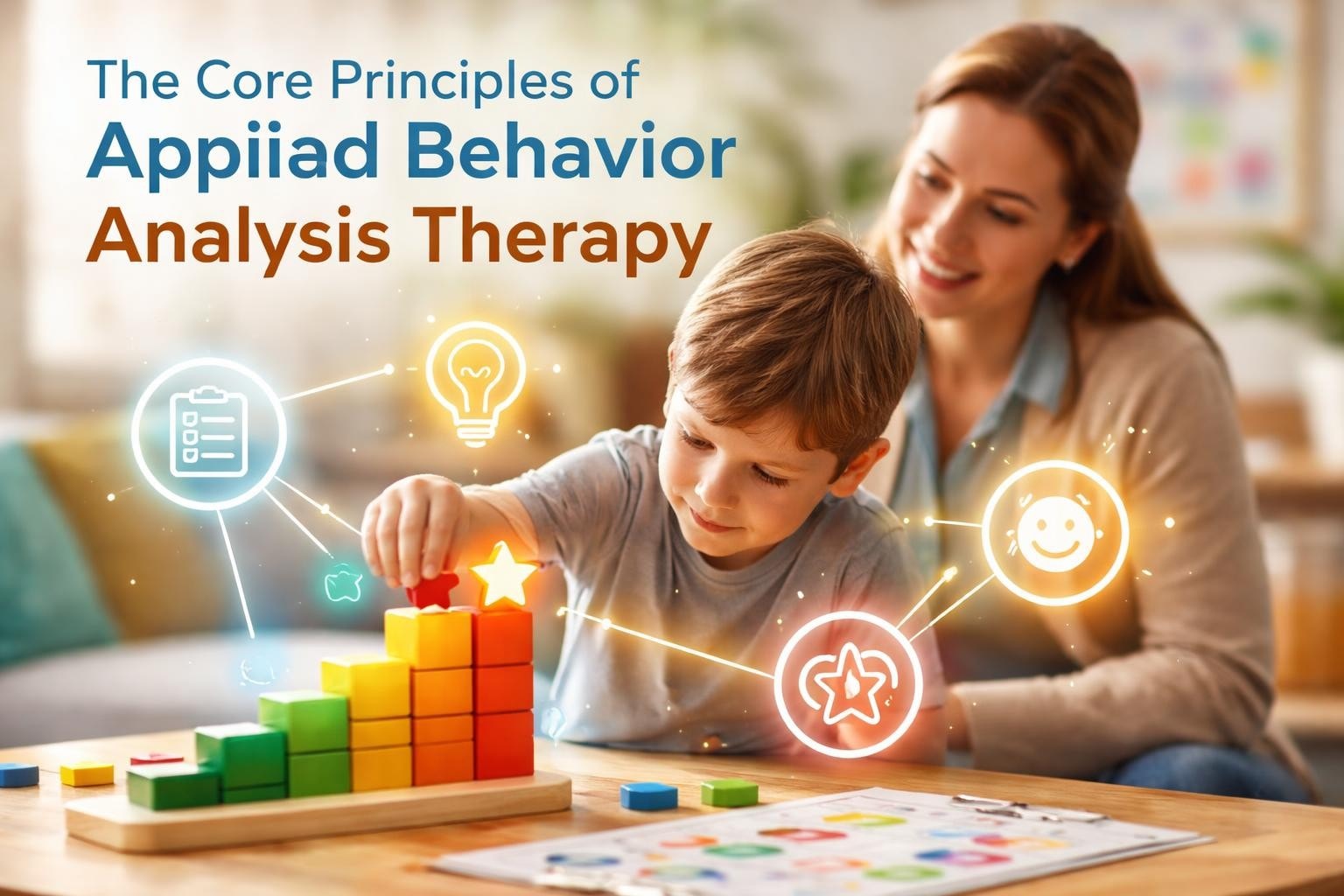
Effective applied behavior analysis services include several essential elements that work together to support your child's development:
- Comprehensive Assessment: A thorough evaluation of your child's current skills, challenges, and learning style
- Individualized Treatment Plans: Goals and strategies specifically designed for your child's needs
- Trained Professionals: Board Certified Behavior Analysts (BCBAs) and trained therapists who understand child development
- Family Involvement: Active participation and training for parents and caregivers
- Data-Driven Progress Monitoring: Regular measurement and adjustment of interventions based on your child's response
- Naturalistic Teaching: Learning opportunities embedded in play and daily activities
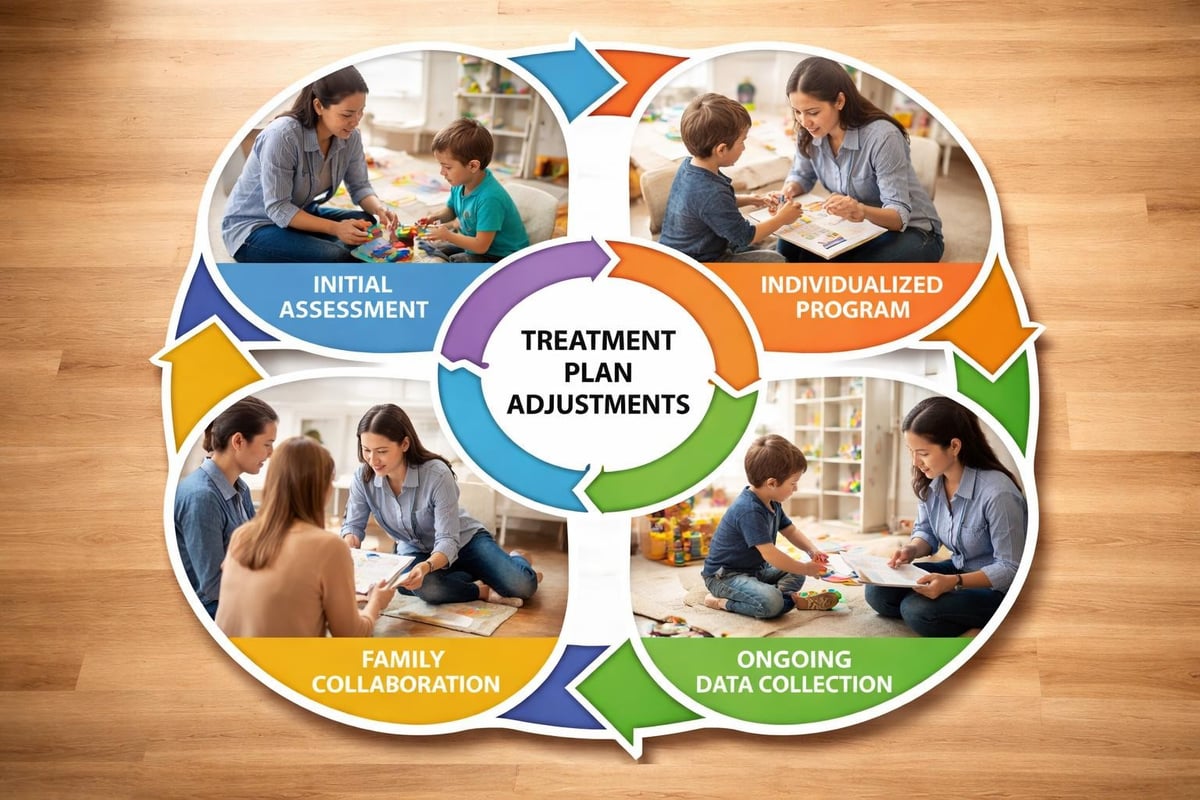
When evaluating providers, these components should be clearly present in their service model. The Autism Society provides valuable resources to help families understand what to expect from quality programs.
What Happens During Applied Behavior Analysis Services
Understanding the actual experience of ABA therapy can ease anxiety about what your child will encounter. Quality applied behavior analysis services create a supportive, engaging environment where learning feels natural and enjoyable for your child.
Initial Assessment and Program Development
The journey typically begins with a comprehensive assessment conducted by a BCBA. This professional will spend time observing your child, conducting standardized assessments, and having detailed conversations with you about your family's priorities, concerns, and hopes for your child's future. You know your child better than anyone, and your insights are invaluable during this process.
The assessment examines multiple areas of development:
- Communication and language skills: Both receptive (understanding) and expressive abilities
- Social interaction: How your child engages with peers, adults, and family members
- Adaptive living skills: Daily routines like eating, dressing, and toileting
- Play and leisure: How your child engages with toys and activities
- Academic readiness: Pre-academic and academic skills appropriate to age
- Behavior concerns: Any challenging behaviors that interfere with learning or safety
Based on this assessment, the BCBA develops an individualized treatment plan with specific, measurable goals that reflect your family's priorities.
The Therapy Experience
Applied behavior analysis services can be delivered in various settings, though center-based programs offer unique advantages. In a center environment, children benefit from structured learning spaces, peer interaction opportunities, and access to specialized materials and equipment.
| Service Delivery Model | Key Benefits | Ideal For |
|---|---|---|
| Center-Based | Peer socialization, specialized equipment, structured environment | Children needing intensive support, families seeking social opportunities |
| Home-Based | Family routine integration, convenience, natural environment teaching | Young children, families preferring home setting |
| School-Based | Educational integration, teacher collaboration, academic focus | School-age children, educational goal emphasis |
| Community-Based | Real-world skill application, generalization, social exposure | Older children, transition planning |
Throughout therapy sessions, trained therapists use evidence-based teaching strategies. These might include discrete trial training for skill acquisition, natural environment teaching during play, and incidental teaching that captures your child's interests and motivations. The goal is always to make learning feel natural, engaging, and rewarding.

The Role of Cultural Sensitivity in Services
Your family's cultural background, values, and traditions matter deeply in how therapy is delivered. Quality applied behavior analysis services recognize that what's important to one family may differ for another, and effective intervention must honor these differences.
Customizing Approaches to Family Values
When providers truly understand cultural sensitivity, they ask questions about your family's daily routines, communication styles, discipline approaches, and what skills you most want your child to develop. They recognize that eye contact, personal space, greeting behaviors, and other social norms vary across cultures.
For families in diverse communities, finding providers who respect and integrate cultural considerations makes a significant difference in comfort level and outcomes. This means using teaching materials that reflect your child's background, incorporating your family's language if multilingual, and setting goals that align with your cultural values.
Evidence-Based Practices Within ABA Services
The strength of applied behavior analysis services lies in their foundation of scientific research and ongoing data collection. Every intervention strategy used has been tested and validated through rigorous study. Organizations like the Institute for Applied Behavior Analysis emphasize evidence-based, person-centered approaches that prioritize dignity and respect.
Key Evidence-Based Strategies
Positive Reinforcement: This cornerstone technique involves providing something your child values immediately after a desired behavior, making that behavior more likely to occur again. It might be praise, access to a preferred toy, or a favorite activity.
Prompting and Fading: Therapists provide support to help your child succeed with a new skill, then gradually reduce that support as your child becomes more independent.
Task Analysis: Complex skills are broken down into smaller, teachable steps. For example, handwashing might be taught as separate steps: turn on water, wet hands, get soap, rub hands together, and so on.
Generalization Training: Skills learned in therapy are practiced across different settings, people, and materials so your child can use them in everyday life.
Monitoring Progress Through Data
Unlike some therapeutic approaches, applied behavior analysis services continuously measure progress through systematic data collection. Every session includes recording your child's responses, successes, and challenges. This information guides treatment decisions and helps identify when strategies need adjustment.
Choosing the Right Provider for Your Family
Finding a provider that feels right for your family requires careful consideration. You deserve a team that not only has expertise but also demonstrates genuine care and understanding for your child and family.
Important Questions to Ask
When researching providers, consider these essential questions:
- What are the credentials and experience levels of the BCBAs and therapists?
- How are treatment goals developed, and what input will I have?
- What is the supervision structure and ratio of BCBA oversight?
- How will progress be measured and reported to me?
- What training and support will I receive as a parent?
- How does the program address my family's cultural background?
- What does a typical therapy session look like?
- How are challenging behaviors addressed, and what philosophy guides behavior intervention?
Quality providers welcome these questions and provide clear, thoughtful answers. Organizations like Behavior Interventions that serve multiple states understand the importance of transparency and family partnership.
Red Flags to Watch For
Trust your instincts if something doesn't feel right. Concerning signs include:
- Providers who don't welcome family involvement or questions
- Programs that can't clearly explain their methods or theoretical foundation
- Lack of individualization, with all children following identical programs
- Minimal BCBA supervision or oversight
- Unwillingness to share data or progress information
- Use of punishment-based procedures or aversive techniques
- Staff who seem overwhelmed, undertrained, or frequently changing
The Parent Partnership in ABA Services
Your role as a parent extends far beyond dropping off and picking up your child. The most successful applied behavior analysis services create true partnerships with families, recognizing that you're the constant in your child's life and the ultimate expert on your child's needs.
Parent Training Components
Quality programs include structured parent training as a core service component. This training helps you:
- Understand the principles of behavior analysis
- Implement strategies consistently at home
- Recognize and reinforce your child's progress
- Address challenging behaviors effectively
- Generalize skills across environments
- Advocate for your child's needs
Parent training sessions might be formal workshops, individual coaching during therapy sessions, or ongoing consultation. The goal is empowering you with knowledge and skills that support your child's continued growth.

Maintaining Your Own Wellbeing
Caring for a child with autism while navigating therapy schedules, appointments, and daily challenges can be exhausting. Remember that your wellbeing directly impacts your child's progress. Quality providers understand this and:
- Offer flexible scheduling when possible
- Provide emotional support and resource connections
- Celebrate small victories alongside you
- Listen to your concerns and frustrations
- Adjust expectations and timelines when family stress is high
Insurance Coverage and Accessing Services
Understanding how to access and fund applied behavior analysis services can feel like navigating a maze. Most states now mandate insurance coverage for ABA therapy for children with autism, though specific benefits vary by plan and location.
Insurance Considerations
Key points to understand about insurance coverage:
- Authorization Requirements: Most insurance plans require prior authorization and ongoing reauthorization for ABA services
- Hour Limitations: Some plans cap weekly or monthly hours, though medical necessity can sometimes override these limits
- Provider Networks: Check whether your preferred provider is in-network or if out-of-network benefits apply
- Documentation Needs: Diagnosis from a qualified professional (typically a psychologist or developmental pediatrician) is required
- Deductibles and Co-pays: Understand your financial responsibility for services
For families in states with established ABA programs, resources like Washington State’s licensure standards provide transparency about service requirements and quality expectations.
Alternative Funding Options
If insurance coverage is limited or unavailable, explore:
- State early intervention programs (typically for children birth to three)
- School district services under IDEA
- Medicaid waivers and programs
- Private payment arrangements
- Grants and scholarship programs from autism organizations
What Success Looks Like in ABA Services
Progress in applied behavior analysis services looks different for every child, and that's exactly as it should be. For one child, success might be using words to request favorite items instead of crying. For another, it might be independently completing morning routines or making a friend at school.
Meaningful Outcomes to Celebrate
Quality programs focus on outcomes that truly matter to your family and improve your child's quality of life:
- Communication gains: Whether through words, signs, or assistive technology, being able to express needs and wants
- Social connection: Engaging with siblings, peers, and family in meaningful ways
- Independence: Developing self-care and daily living skills appropriate to age
- Reduced frustration: Finding appropriate ways to communicate distress and manage emotions
- Learning readiness: Building attention, imitation, and following directions skills that support all future learning
- Family quality of life: Participating in family activities, outings, and routines
Progress isn't always linear. There will be difficult days, plateaus, and even temporary regression during times of stress or transition. Compassionate providers help you navigate these challenges while maintaining hope and momentum.
Looking Toward the Future
As your child grows and develops, their needs will change, and applied behavior analysis services should evolve accordingly. Quality programs don't just focus on early childhood skills but help you plan for transitions and future needs.
Transition Planning
Thoughtful transition planning addresses:
- Moving from early intervention to school-based services
- Reducing therapy intensity as skills strengthen
- Preparing for new environments (preschool, kindergarten, community programs)
- Developing independence and self-advocacy skills
- Planning for adolescence and eventual adulthood
The skills your child develops through ABA services create a foundation for lifelong learning and growth. While therapy intensity may decrease over time, the strategies and understanding you've gained continue supporting your child throughout their life.
Finding the right support for your child with autism represents one of the most important decisions you'll make as a parent, and you deserve services that combine scientific excellence with genuine compassion and cultural understanding. If you're looking for comprehensive, play-based applied behavior analysis services in New Jersey that honor your child's unique needs and your family's values, Ujala Life provides center-based early intervention programs designed specifically for children with autism spectrum disorder. Our naturalistic approach and culturally sensitive care create an environment where your child can thrive while your family receives the support and partnership you deserve.