
Applied Behaviour Analysis Program: A Complete Guide
When a child receives an autism diagnosis, parents often feel overwhelmed by the range of treatment options available. Among these interventions, an applied behaviour analysis program stands out as one of the most researched and effective approaches for supporting children with Autism Spectrum Disorder (ASD). Understanding how these programs work, what they involve, and how they can benefit your child is essential for making informed decisions about your family's journey. This compassionate guide will help you navigate the fundamentals of ABA therapy and recognize how these structured programs can transform your child's development.
Understanding the Foundation of ABA Programs
An applied behaviour analysis program is built on scientific principles that focus on understanding and changing behavior patterns. At its core, ABA therapy uses evidence-based techniques to teach new skills and reduce challenging behaviors that may interfere with learning and daily functioning.
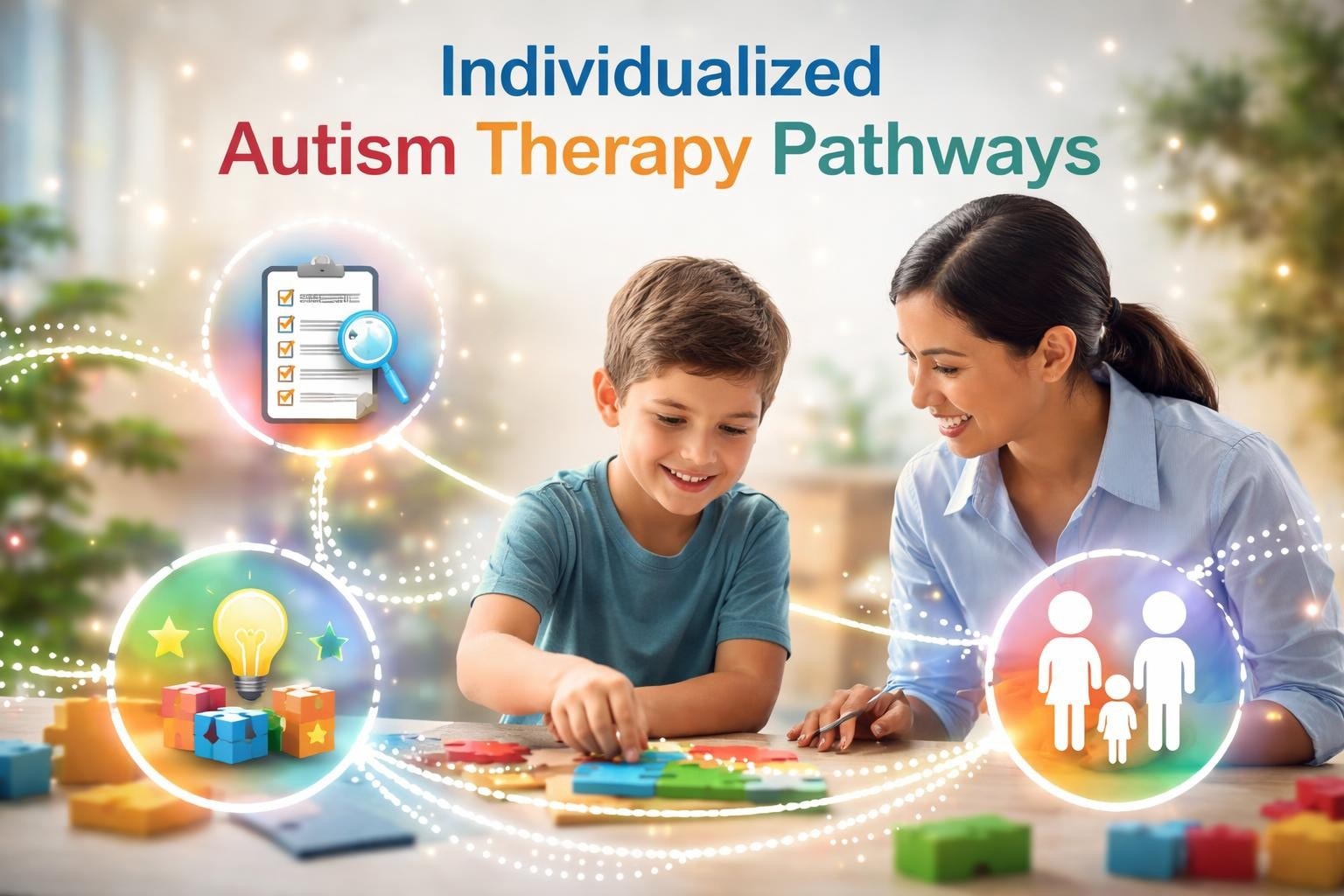
These programs don't follow a one-size-fits-all approach. Instead, they recognize that each child with autism has unique strengths, challenges, and learning styles. Board Certified Behavior Analysts (BCBAs) design individualized treatment plans based on comprehensive assessments that evaluate your child's current abilities across multiple developmental domains.
The Science Behind Behavioral Change
The principles guiding an applied behaviour analysis program stem from decades of research in behavioral psychology. This scientific foundation ensures that interventions are measurable, replicable, and adjusted based on data collection.
Key principles include:
- Positive reinforcement to encourage desired behaviors
- Breaking complex skills into manageable steps
- Systematic teaching methods with clear objectives
- Continuous data collection to monitor progress
- Regular program adjustments based on outcomes
What makes this approach so effective is its emphasis on understanding the function of behavior. Rather than simply trying to stop unwanted behaviors, therapists work to identify why these behaviors occur and teach alternative, appropriate ways for children to communicate their needs.

Components of a Comprehensive ABA Program
A quality applied behaviour analysis program involves multiple interconnected elements that work together to support your child's growth. Understanding these components helps you recognize what to look for when evaluating therapy options.
Initial Assessment and Goal Setting
The journey begins with thorough assessments conducted by qualified professionals. These evaluations examine your child's abilities in communication, social skills, self-care, academic readiness, and behavior management. Resources from educational institutions provide valuable information about standardized assessment tools used in these programs.
| Assessment Area | What's Evaluated | Purpose |
|---|---|---|
| Communication | Verbal and non-verbal skills, language comprehension | Develop speech and communication goals |
| Social Skills | Peer interaction, sharing, turn-taking | Build relationship abilities |
| Adaptive Behavior | Self-care, daily living skills | Increase independence |
| Academic Readiness | Pre-literacy, numeracy, attention skills | Prepare for educational success |
| Challenging Behaviors | Frequency, triggers, functions of behaviors | Create behavior intervention plans |
Following assessment, your therapy team collaborates with you to establish meaningful, measurable goals. These objectives reflect your family's priorities and your child's individual needs, ensuring the program addresses what matters most to your family's quality of life.
Individualized Treatment Plans
Every applied behaviour analysis program should center on a customized treatment plan that evolves with your child. These plans outline specific teaching strategies, reinforcement systems, and intervention techniques tailored to your child's learning profile.
The individualization extends beyond just academic or behavioral targets. Cultural considerations, family values, and home routines all inform how therapists design and implement interventions. This personalized approach ensures therapy feels natural and relevant to your child's world.
Therapeutic Approaches Within ABA Programs
Modern ABA programs have evolved significantly, incorporating naturalistic and play-based methods that honor childhood development. These approaches make learning enjoyable while maintaining the scientific rigor that makes ABA effective.
Naturalistic Teaching Strategies
Rather than confining learning to structured tabletop sessions, contemporary programs embed teaching opportunities throughout natural activities and play. Children learn skills in contexts where they'll actually use them, making generalization easier.
Naturalistic strategies include:
- Incidental teaching during play activities
- Natural environment teaching in community settings
- Pivotal response treatment focusing on motivation
- Activity-based interventions during daily routines
This approach respects your child's interests and follows their lead, creating positive associations with learning. When therapy feels like play, children engage more authentically and retain skills more effectively.
Play-Based Learning
Play serves as the foundation for childhood development, and quality ABA programs integrate therapeutic goals seamlessly into play activities. Through carefully designed play scenarios, children practice social communication, problem-solving, and imaginative thinking.
Therapists might use toy cars to teach turn-taking, build block towers to practice requesting help, or engage in pretend play to develop narrative skills. These playful interactions build skills while nurturing the joy and creativity essential to childhood.

The Role of Family in ABA Programs
Your involvement as a parent or caregiver is not just welcomed in an applied behaviour analysis program-it's essential. Family participation significantly enhances treatment outcomes and ensures skills transfer beyond therapy sessions.
Parent Training and Support
Quality programs invest substantial time in training family members to use ABA strategies at home. This training empowers you to support your child's learning throughout daily activities, reinforcing therapy goals during meals, playtime, and bedtime routines.
Parent training typically covers:
- Understanding behavioral principles and how they apply to your child
- Implementing reinforcement strategies effectively
- Using prompting and fading techniques to teach new skills
- Collecting data to track progress at home
- Managing challenging behaviors with compassion and consistency
Beyond technical skills, comprehensive program resources emphasize the emotional support families need. Parenting a child with autism brings unique joys and challenges, and connecting with other families and experienced professionals provides invaluable encouragement.
Collaboration and Communication
Effective ABA programs maintain open, regular communication with families. You should receive frequent updates about your child's progress, upcoming goals, and strategies being implemented. This transparency allows you to ask questions, share observations from home, and feel genuinely partnered in your child's care.
Monthly progress reports, regular team meetings, and daily communication logs help maintain this collaborative relationship. Your insights about your child's personality, preferences, and needs inform how therapists adjust interventions for maximum effectiveness.
Measuring Progress and Adjusting Interventions
Data-driven decision-making distinguishes an applied behaviour analysis program from other intervention approaches. Continuous measurement ensures your child receives the most effective, efficient therapy possible.
Data Collection Methods
Therapists collect detailed data during every session, tracking specific behaviors and skill acquisition. This information reveals patterns, identifies what's working, and highlights areas needing modification.
| Data Type | What's Measured | How It Helps |
|---|---|---|
| Frequency Data | How often behaviors occur | Identifies trends and intervention effectiveness |
| Duration Data | How long behaviors last | Monitors stamina and engagement |
| Task Analysis Data | Steps completed independently | Tracks skill mastery and identifies teaching needs |
| Prompt Level Data | Support needed to complete skills | Guides fading of assistance toward independence |
This systematic approach removes guesswork and emotional bias from treatment decisions. When data shows a strategy isn't producing results, the team adjusts the approach rather than continuing ineffective methods.
Regular Program Reviews
Most programs conduct formal reviews every three to six months, examining overall progress toward goals and updating treatment plans accordingly. These reviews celebrate achievements, identify new priorities, and ensure therapy continues meeting your child's evolving needs.
During reviews, teams analyze data trends, discuss family feedback, and adjust the intensity or focus of services. This ongoing refinement ensures the applied behaviour analysis program remains relevant and maximally beneficial throughout your child's development.
Skills Developed Through ABA Programs
The breadth of skills addressed in quality ABA programs extends far beyond basic compliance or simple tasks. These programs nurture well-rounded development across all areas essential for your child's success and happiness.
Communication and Language Development
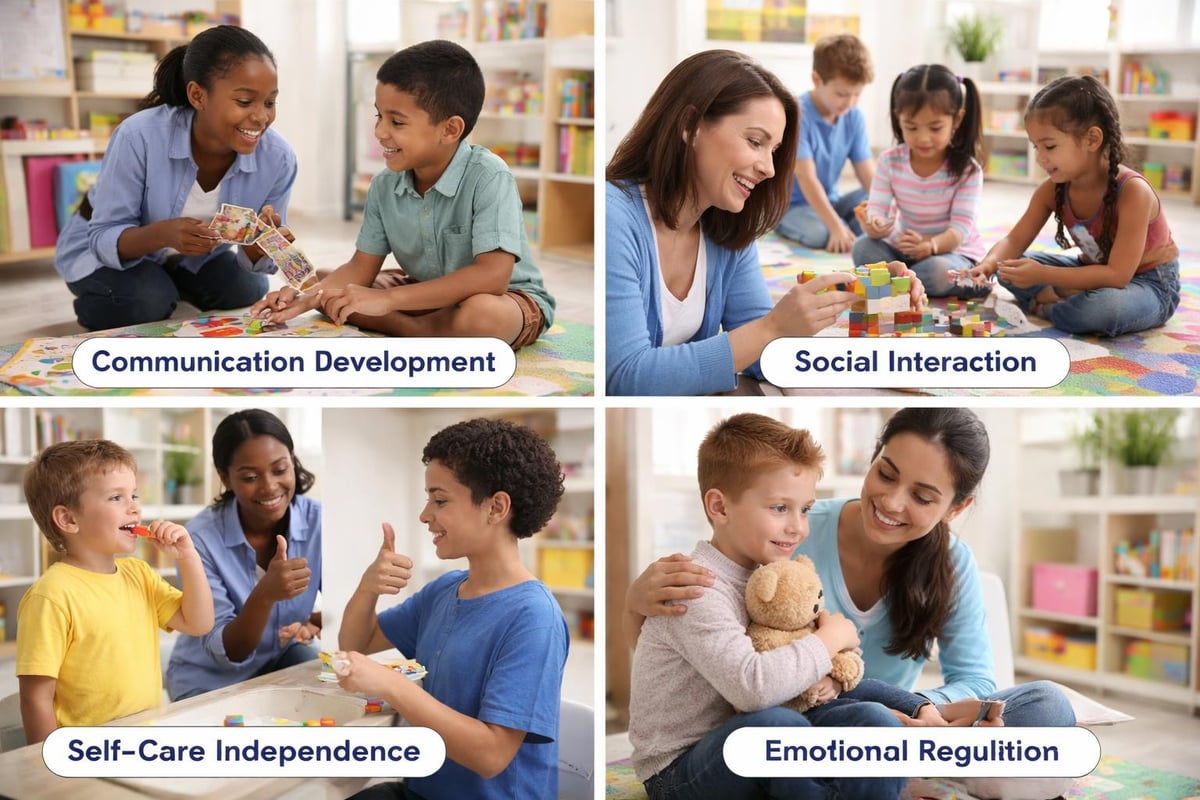
Whether your child is pre-verbal, developing speech, or working on advanced language skills, an applied behaviour analysis program can support communication growth. Therapists use various methods-including augmentative and alternative communication (AAC) when appropriate-to help children express their needs, thoughts, and feelings.
Communication goals might include:
- Requesting desired items or activities
- Labeling objects, actions, and emotions
- Answering questions appropriately
- Initiating conversations with peers and adults
- Understanding and following multi-step directions
For many families, watching their child communicate effectively for the first time represents one of the most meaningful outcomes of ABA therapy.
Social Skills and Peer Interaction
Building meaningful relationships requires complex social understanding that doesn't always come naturally to children with autism. ABA programs systematically teach the subtle skills underlying successful social interaction.
Children learn to recognize social cues, interpret facial expressions, engage in reciprocal play, and navigate the unwritten rules of friendship. These skills open doors to inclusion, belonging, and the joy of genuine connection with others.
Daily Living and Self-Care Skills
Independence in daily activities significantly impacts quality of life for individuals with autism and their families. An applied behaviour analysis program addresses practical skills like toileting, dressing, eating, hygiene, and household responsibilities.
- Self-care routines: Brushing teeth, washing hands, bathing
- Feeding skills: Using utensils, trying new foods, mealtime behavior
- Dressing: Selecting clothes, manipulating fasteners, sequencing steps
- Safety awareness: Recognizing dangers, following safety rules
- Community skills: Shopping, restaurant behavior, public transportation
These capabilities foster dignity, self-reliance, and participation in family and community life.
Choosing the Right ABA Program for Your Child
Not all ABA programs are created equal, and finding the right fit requires careful consideration of multiple factors. Your child deserves a program that honors their individuality while providing evidence-based intervention.
Credentials and Qualifications
Verify that the program employs Board Certified Behavior Analysts (BCBAs) who design and supervise treatment. Professional resources and research materials can help you understand the credentials that ensure quality care.
Registered Behavior Technicians (RBTs) who implement daily therapy should receive ongoing training and supervision. Ask about staff-to-child ratios, supervision frequency, and continuing education opportunities for therapists.
Program Philosophy and Approach
Visit potential programs to observe sessions and assess whether the approach aligns with your values. Look for environments that feel warm, engaging, and respectful of children's dignity.
Questions to ask:
- How do you incorporate children's interests into therapy?
- What role do families play in the program?
- How do you balance structure with naturalistic learning?
- What strategies do you use to promote generalization?
- How do you address cultural and individual differences?
Trust your instincts. The right program will feel like a partnership where your voice matters and your child is genuinely seen and valued.
Location and Schedule Considerations
Practical factors like location, hours, and program intensity matter significantly. Center-based programs offer structured environments with peer interaction opportunities, while some families prefer home-based services for convenience and naturalistic learning contexts.
Consider your family's schedule, transportation options, and your child's tolerance for transitions. The most effective program is one your family can participate in consistently over time.
Common Questions About ABA Programs
Families new to autism intervention often have similar questions about how an applied behaviour analysis program works and what to expect. Addressing these concerns helps you approach therapy with realistic expectations and confidence.
How Intensive Should Therapy Be?
Therapy intensity varies based on individual needs, typically ranging from 10 to 40 hours weekly. Your BCBA will recommend intensity based on your child's age, skill deficits, rate of learning, and family circumstances.
More intensive programs may accelerate progress, but quality matters more than quantity. A well-designed 20-hour program often produces better outcomes than poorly implemented 40-hour services.
When Will We See Results?
Every child progresses at their own pace, influenced by factors like age, severity of symptoms, and consistency of intervention. Some families notice changes within weeks, while others observe gradual improvements over months.
Realistic timelines:
- Basic skill acquisition: 4-8 weeks with consistent teaching
- Behavior reduction: 6-12 weeks after intervention begins
- Generalization to new settings: 2-4 months of practice
- Significant developmental gains: 6-12 months of comprehensive therapy
Patience and trust in the process are essential. Progress isn't always linear, and plateaus are normal parts of learning.
Will My Child Outgrow the Need for ABA?
Many children successfully transition out of intensive ABA services as they master essential skills and develop independence. Some may continue with reduced hours or periodic check-ins, while others move to different support models like school-based services.
The goal of any quality applied behaviour analysis program is to build skills that reduce the need for ongoing therapeutic support. Success means your child becomes as independent and capable as possible, whatever that looks like for their unique situation.
Integration with Other Therapies and Services
An applied behaviour analysis program often works most effectively as part of a comprehensive intervention approach that includes complementary therapies and educational services.
Collaboration with Other Professionals
Your child may benefit from speech therapy, occupational therapy, physical therapy, or specialized educational services alongside ABA. The most effective programs actively collaborate with these providers, sharing goals and strategies to create cohesive support.
This teamwork ensures interventions complement rather than contradict each other, maximizing your child's progress across all developmental areas.
Transition to School Settings
As your child approaches school age, the ABA team can support smooth transitions to educational environments. Therapists may consult with school staff, share successful strategies, and help develop Individualized Education Programs (IEPs) that build on therapy gains.
Some programs offer school readiness curricula that prepare children for classroom expectations, group instruction, and academic tasks. This preparation significantly enhances success in inclusive or specialized educational settings.
Understanding what an applied behaviour analysis program offers helps you make informed decisions that serve your child's best interests. These evidence-based programs provide structured, compassionate support that addresses the unique needs of children with autism while honoring their individuality and potential. If you're seeking comprehensive, center-based ABA therapy in New Jersey that uses naturalistic, play-based approaches tailored to your child's cultural and developmental needs, Ujala Life offers the expertise and compassionate care your family deserves to thrive on this journey together.