Creating Calm: How ABA Supports Emotional Regulation in Children
Every parent knows that emotions can run high, especially for children who are still learning how to express what they feel. For children with autism, emotional regulation can sometimes be a bigger challenge. Meltdowns, frustration, or difficulty managing transitions aren’t just “bad behavior”, they’re often signals that a child needs support. This is where Applied Behavior Analysis (ABA) can make a meaningful difference.
At Ujala Life, we believe emotional regulation is the foundation for learning, social connection, and independence. When children feel calm and secure, they are more open to exploring, communicating, and growing. By giving children the tools to manage their emotions, ABA therapy helps create calmer, more confident moments at home, school, and in the community.
Understanding Emotional Regulation
Emotional regulation is the ability to notice, manage, and respond to feelings in a way that is appropriate for the situation. This might mean taking deep breaths when upset, asking for a break, or expressing frustration with words rather than crying, hitting, or shutting down.
For children with autism, this skill may not come naturally. Some children have difficulty recognizing what they are feeling, while others may feel emotions very intensely and struggle to recover once upset. Everyday challenges, like leaving the park, waiting in line, or switching from playtime to homework, can trigger overwhelming reactions.
ABA therapy helps by breaking emotional regulation into small, teachable steps, practicing them in a safe setting, and reinforcing success so children build confidence over time.
How ABA Builds Emotional Regulation Skills
ABA is evidence-based, structured, and individualized, making it a powerful tool for helping children manage big emotions. Here are some of the ways it supports emotional growth:
- Identifying and Labeling Emotions:
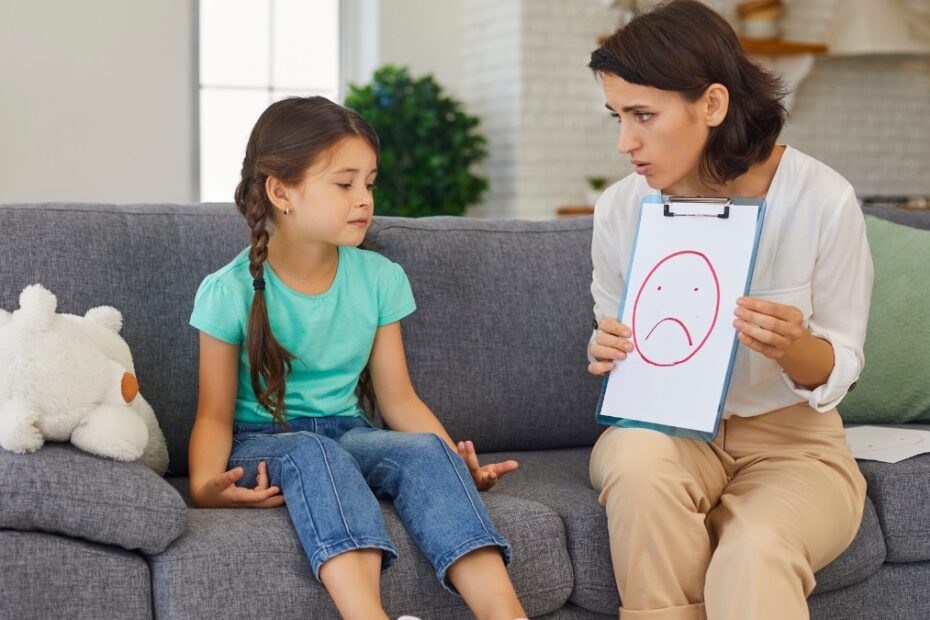
The first step in managing emotions is knowing what you feel. ABA programs often start by teaching children to recognize basic emotions like happy, sad, angry, or scared. This may involve:
- Matching faces to emotions using flashcards
- Identifying emotions in storybooks or videos
- Talking about how characters or peers might feel in different situations
As children improve, they move on to more complex emotions like frustration, disappointment, or excitement. Being able to label emotions helps children communicate what they are experiencing and ask for the support they need.
2. Teaching Practical Coping Strategies
Once children can recognize their emotions, they are ready to learn coping tools. ABA therapists introduce and practice strategies that are personalized for the child. Examples include:
- Calming Breaths: Practicing slow, deep breathing during play so it becomes automatic in stressful moments.
- Break Cards: Teaching children to hand over a “break card” or say “I need space” when they feel overwhelmed.
- Movement Breaks: Using jumping, stretching, or swinging to release energy in a safe way.
- Sensory Tools: Fidgets, weighted items, or noise-canceling headphones to create a sense of calm.
Each child’s coping plan is unique, based on what helps them to regulate best.
3. Reinforcing Calm Behaviors
ABA uses positive reinforcement to strengthen helpful behaviors. For example, if a child takes deep breaths instead of yelling, the therapist may give praise, a high-five, or allow them to choose a favorite activity. Over time, the child learns that staying calm leads to positive outcomes, making them more likely to repeat the behavior.
4. Supporting Transitions and Routines
Transitions can be a major trigger for emotional outburst. ABA helps by introducing tools like:
- Visual Schedules: Showing what’s happening now and what’s coming next
- Timers or Countdowns: Giving children a heads-up before a change happens
- Transition Songs or Rituals: Creating consistency so changes feel predictable
When children know what to expect, their anxiety decreases, and transitions become smoother.
5. Building Problem-Solving Skills
ABA doesn’t just teach children to calm down, it also helps them solve problems. For example, if a child is upset because a toy is unavailable, the therapist may guide them to request a turn, choose another toy, or wait patiently. These problem-solving moments build resilience and independence.
6. Parent and Caregiver Coaching
Emotional regulation strategies work best when everyone is on the same page. ABA therapy includes parent training so families can use the same language, routines, and reinforcement strategies at home. This consistency helps children generalize skills across settings and builds a stronger sense of security.
Real-Life Impact
When children develop emotional regulation skills, the benefits go far beyond therapy sessions. Parents often notice:
- Fewer meltdowns and shorter recovery time
- More success in school and group activities
- Better sibling and peer relationships
- Increased confidence and independence
A calmer child also means a calmer household. Families report feeling more connected, less stressed, and more able to enjoy time together.
Creating Calm Together
At Ujala Life, we celebrate every step forward, whether it’s a child taking a deep breath instead of crying, or successfully transitioning from playtime to bedtime with no tears. Emotional regulation is a lifelong skill, and we are here to support families every step of the way.
If you’re ready to create more calm moments for your child and help them thrive in every setting, our team is here to guide you. Together, we can turn big emotions into big opportunities for growth.