Transform Communication into Connection: How ABA Supports Language Development in Children
At Ujala Life, we believe communication is more than just words. It’s the bridge between a child and the world around them. Whether a child speaks, signs, gestures, or uses a device, it is essential to express needs and emotions. This ability builds confidence, independence, and relationships. Applied Behavior Analysis (ABA) provides powerful tools to support communication while being personalized, compassionate, and culturally responsive.
What is Functional Communication in ABA?
In ABA, we focus on functional communication. It is language that meets the needs of the child. It allows them to join in everyday activities. That means asking for help, making choices, saying “no”, or expressing excitement. Functional communication isn’t about perfect grammar or vocabulary, it is about helping children to be understood and to feel empowered.
For some children, this means learning to speak words. For others, it involves using sign language, gestures, picture systems, or conversation devices. The method doesn’t matter as much as the message.
Different Ways Children Communicate
Every child is unique, and their communicating style is no different. In ABA, we recognize and support all forms of communication, including:
- Verbal language (spoken words)
- Nonverbal communication (gestures, facial expressions)
- Sign language
- Picture Exchange Communication Systems (PECS)
- Speech-generating devices (AAC)
The goal is to find the most effective and meaningful way for each child to express themselves.
How ABA Builds Communication Skills
ABA uses evidence-based strategies to teach and strengthen dialogue in small and achievable ways.
- Modeling – Demonstrating the words or actions we want the child to use
- Prompting – Giving support (like pointing or verbal cues) to guide responses
- Reinforcement – Praising or rewarding communication attempts to encourage repetition
- Natural Environment Teaching (NET) – Embedding learning into daily routines like snack time, play, or getting dressed
Therapists at Ujala Life work individually with each child. They collaborate closely with families. This collaboration makes learning meaningful and consistent across settings.
The Family’s Role in Communication Growth
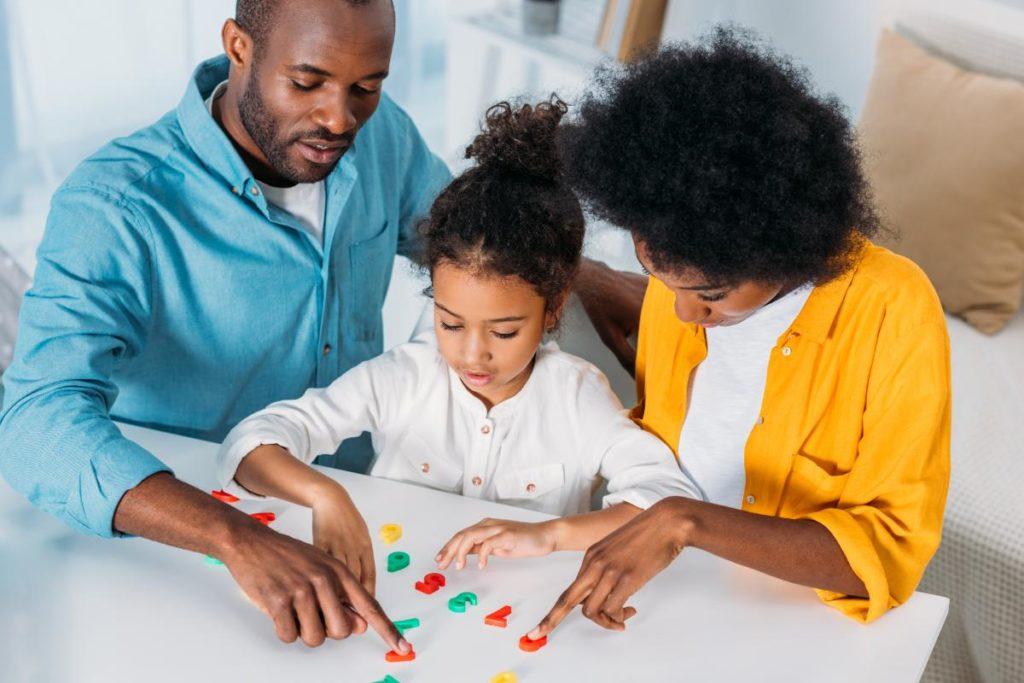
Parents and caregivers are central to every child’s progress. ABA works best when families are involved and empowered.
We offer guidance on how to support conversation at home, during meals, playtime, and everyday activities and routines. This consistency helps children generalize skills beyond therapy sessions and builds a strong foundation for long-term success.
Honoring Culture in Communication
At Ujala Life, we understand that communication is deeply influenced by family values, culture, and language. That’s why we:
- Respect multilingual households and support learning in the family’s primary language(s)
- Consider cultural norms around gestures, tone, and expression
- Partner with families to set goals that align with their values and communication style
We believe that therapy should show the richness of each child’s background, not ask them to change who they are.
Success in Everyday Moments
Progress doesn’t always look like long conversations. It is a child pointing to a favorite snack. It is signing “more”. Or it involves using a device to say “I love you”. These moments of connection, big or small, are victories worth celebrating. At Ujala Life, we focus on these meaningful milestones. They show us what truly matters: helping children connect, belong, and thrive.
Conclusion
Communication is more than a milestone, it’s the foundation for connection, confidence, and community. For children with autism or developmental differences, learning to communicate in an authentic way can feel empowering. It can be life-changing. A child learns to speak, use signs, or communicate through a device. The crucial aspect is that they are heard. What matters is that they can express themselves and be heard. It is important that they are understood.
At Ujala Life, we recognize that every family brings its own culture, values, and goals into the therapy space. That’s why we don’t take a one-size-fits-all approach. We partner with families to build customized, compassionate communication goals that show their child’s strengths and respect their cultural background.
Through ABA, we break communication down into small, teachable steps, celebrating every success, no matter how small. We reinforce progress in positive and affirming ways. We involve families every step of the way. This approach ensures that learning continues at home, in the community, and beyond.
A child finds their voice in various ways. It can be spoken, signed, or shared through gestures. This discovery opens doors to friendship, independence, and joy. And that’s what drives everything we do.
If you’re looking for a team that values your child’s individuality, Ujala Life is here for you. We respect your family’s voice. We understand your culture’s importance. Together, we can turn communication into connection, and connection into lifelong growth.