Growing Through Transitions: Supporting Children During Moves, New Schools, and Routine Changes
Change is an unavoidable part of life. Families moves, school years end and begin, schedules shift, and routines evolve. While many adults view these transitions as temporary adjustments, for children, especially those with autism or developmental differences, transitions can feel confusing, disruptive, and emotionally overwhelming.
At Ujala Life, we understand that transitions are not just moments of change; they are periods where children need extra structure, reassurance, and support. With thoughtful preparation and evidence-based strategies, transitions can become meaningful opportunities for growth rather than ongoing sources of stress.
Why Transitions Can Be So Challenging for Children
Children rely on predictability to make sense of the world around them. Routines provide a framework for understanding expectations, regulating emotions, and feeling safe. When that framework changes, whether suddenly or gradually, children may struggle to adapt.
For children with autism, transitions can be especially difficult due to:
- A strong preference for sameness and routine
- Difficulty with uncertainty or abstract timelines
- Sensory sensitivities in new environments
- Challenges with communication or emotional regulation
As a result, transitions may lead to behaviors such as increased anxiety, emotional outbursts, withdrawal, regression in previously mastered skills, or refusal behaviors. These responses are not intentional or manipulative. They are a child’s way of communicating discomfort, confusion, or a need for additional support.
Common Transitions That Impact Children
Transitions come in many forms, and each can present unique challenges. Some of the most common include:
- Moving to a new home or neighborhood
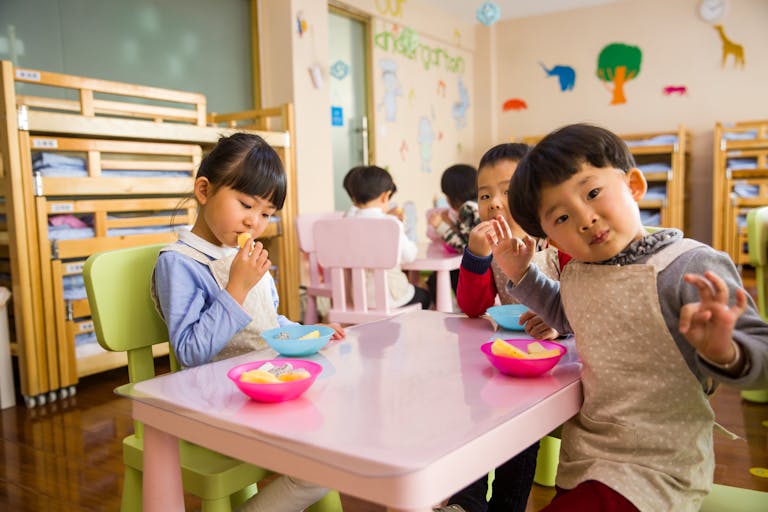
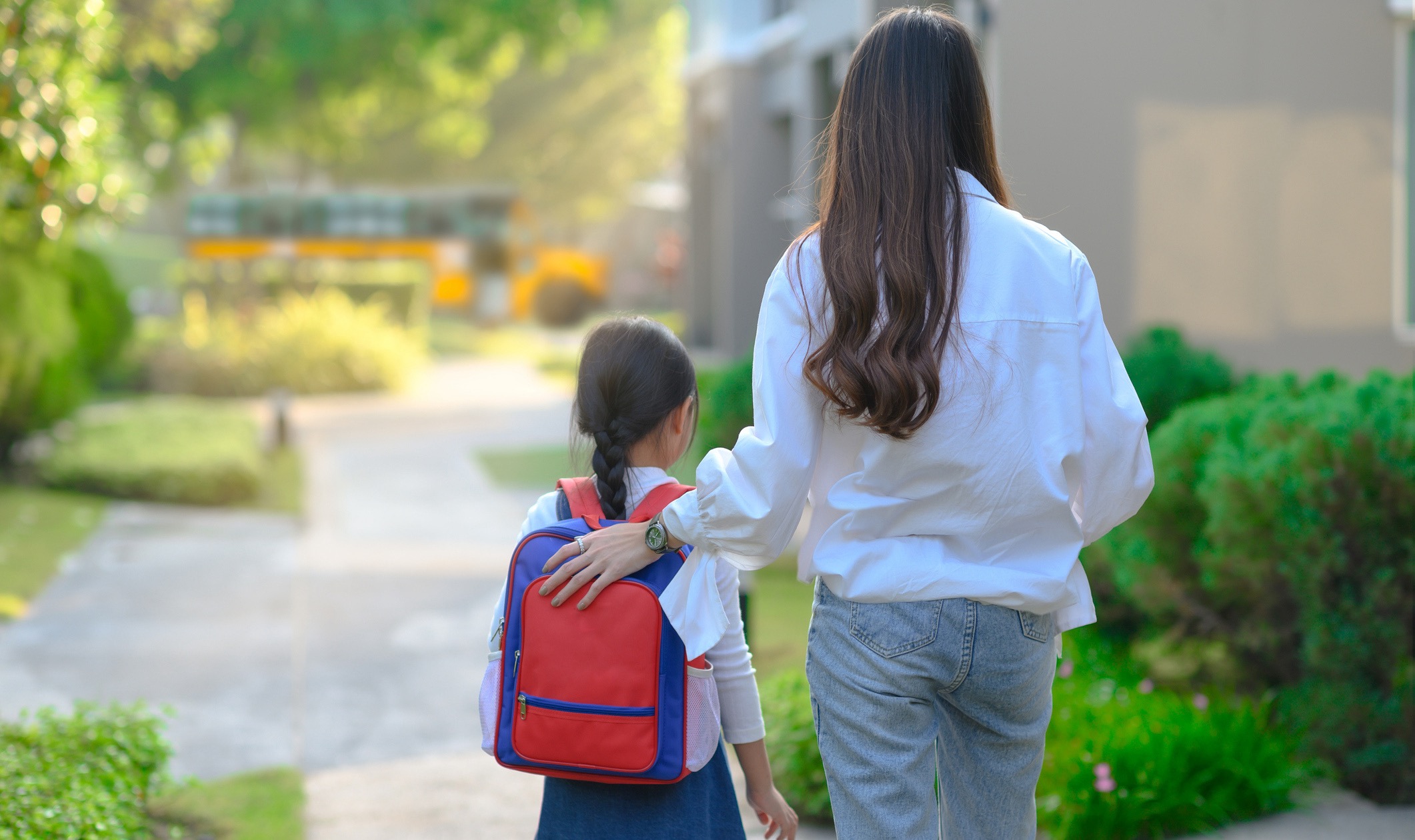
- Starting a new school or changing classrooms
- Shifts in daily routines, such as new therapy schedules or extracurricular activities
- Seasonal changes, holidays, or school breaks
- Changes in caregivers, teachers, or support staff
Even transitions that seem small to adults, like a change in bedtime routine or a different route to school, can feel significant to a child.
Preparing Children Before a Transition Occurs
Preparation is one of the most effective ways to reduce stress and increase success during transitions. When children know what to expect, they are better equipped to cope with change.
Helpful preparation strategies include:
- Visual supports: Use calendars, countdowns, or visual schedules to clearly show upcoming changes and timelines.
- Social stories: Create simple, personalized stories that explain what will happen, who will be involved, and what will stay the same.
- Previewing environments: Visit a new school, classroom, or neighborhood ahead of time when possible.
- Practicing new routines: Rehearse new morning, after-school, or bedtime routines before the transition occurs.
Preparation should be gradual and consistent, allowing children time to process information at their own pace.
Supporting Children During the Transition
Even with preparation, transitions can still be emotionally challenging. During the transition period, consistency and emotional validation are essential.
Support strategies during transitions include:
- Maintaining familiar routines whenever possible
- Using clear, simple language to explain expectations
- Acknowledging emotions without minimizing or dismissing them
- Offering choices when appropriate to promote a sense of control
- Reinforcing effort, flexibility, and positive coping strategies
It is important to remember that behavior during transitions is often skill-based. Children may need direct teaching and reinforcement of replacement skills such as asking for help, taking breaks, or using calming strategies.
Helping Children Adjust After the Transition
Adjustment does not always happen immediately. Some children may initially appear to handle a transition well, only to experience challenges week later. Ongoing support helps ensure long-term success.
After a transition, families can:
- Monitor behavior patterns and emotional well-being
- Communicate regularly with teachers, therapists, and caregivers
- Continue using visual supports and structured routines
- Celebrate small successes and progress, even when it feels slow
Patience is critical. Growth through transitions often occurs in small, meaningful steps rather than sudden changes.
How ABA Therapy Supports Successful Transitions
Applied Behavior Analysis (ABA) provides individualized, evidence-based strategies that help children develop the skills needed to navigate transitions successfully. ABA therapy can support children by:
- Teaching flexibility, coping, and emotional regulation skills
- Identifying triggers and barriers using data-driven assessments
- Building independence in new routines and environments
- Supporting parents with practical strategies that can be used at home and in the community
At Ujala Life, our approach is collaborative and family-centered. We work closely with caregivers to ensure strategies are realistic, compassionate, and aligned with each child’s unique needs.
Supporting Parents Through Change
Transitions are not only challenging for children, parents often carry significant emotional and logistical stress as well. Managing schedules, advocating for support, and navigating uncertainty can feel overwhelming.
Remember:
- You do not need to have everything figured out at once
- Progress during transitions is rarely linear
- Seeking support is a strength, not a failure
When parents feel supported, children benefit as well.
Growing Through Change, Together
Transitions may bring uncertainty, but they also offer opportunities for growth, resilience, and learning. With preparation, patience, and evidence-based support, children can develop the skills they need to navigate change with confidence,
If your family is preparing for a move, new school, or routine change, Ujala Life is here to support you, before, during, and after every transition.