Guide to Autism In Home Services: Support & Solutions 2026
Are you searching for new ways to support your loved one with autism at home? In 2026, autism in home services are changing the lives of families and individuals by offering truly personalized care right where it matters most.
This guide will walk you through the latest solutions, benefits, and practical steps to accessing autism in home services. You’ll discover how these supports can empower your family, help your child grow, and make daily life smoother.
Get ready to explore in-home options, learn tips for success, and find out how to make the most of every opportunity for your family.
Understanding Autism In Home Services
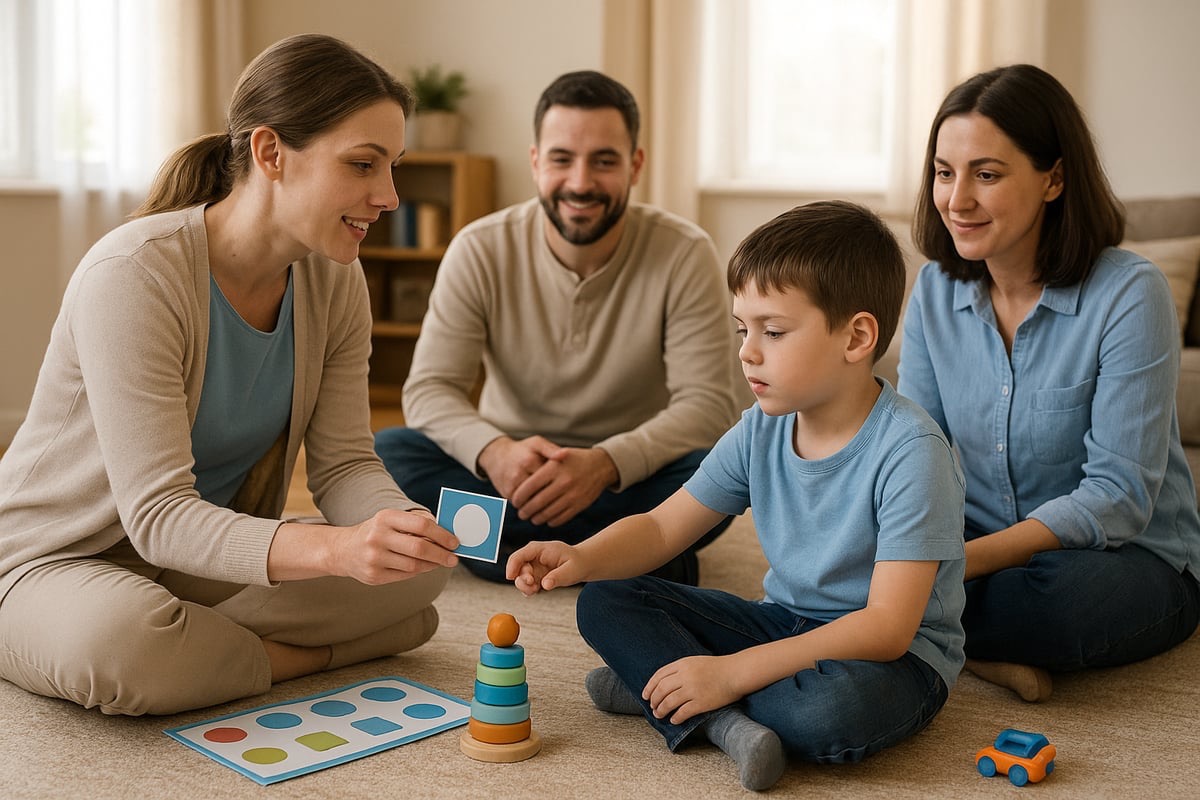
Autism in home services have become a cornerstone of support for families managing Autism Spectrum Disorder in 2026. These services bring tailored therapies and interventions directly into the comfort of the home, creating a familiar and supportive setting for individuals with ASD. By leveraging the natural rhythms and routines of daily life, autism in home services help children, teens, and adults develop essential skills for greater independence.
The primary goals of autism in home services are to promote autonomy, foster communication, and empower families as active participants in care. Whether the focus is on daily living skills, behavior management, or social interactions, these services are designed to meet each person’s unique needs. Family involvement is central, with parents and caregivers often working side by side with therapists to reinforce learning and strategies between sessions.
A wide range of therapies can be delivered through autism in home services. Common approaches include:
| Therapy Type | Focus Areas |
|---|---|
| ABA (Applied Behavior Analysis) | Behavior, communication, social skills |
| Speech Therapy | Language, articulation, communication |
| Occupational Therapy | Sensory integration, motor skills |
| Physical Therapy | Movement, balance, coordination |
| Naturalistic Interventions | Skill-building through play and routines |
Unlike center-based or school-based programs, autism in home services offer a personalized environment that reflects the individual’s real-life challenges and strengths. Therapists can observe and address behaviors that only emerge at home, making interventions more practical and immediately relevant. This flexibility also allows for meaningful participation from siblings and other family members, creating a holistic support system.
Autism in home services are suitable for a wide range of individuals. Children who struggle with transitions, adolescents working on social skills, and adults seeking greater independence can all benefit. The approach adapts to different developmental stages, cultural backgrounds, and family dynamics. With the expansion of telehealth and hybrid models, families in remote or underserved areas now have greater access to personalized care plans and expert support.
Recent trends show a move toward integrating technology, such as video coaching and virtual consultations, into autism in home services. Providers increasingly use data-driven methods to adjust strategies in real time, and regulations in 2026 emphasize evidence-based practices, ongoing staff training, and family-centered treatment planning. Quality standards ensure that services are safe, effective, and tailored to each individual’s goals.
For example, imagine a child who has difficulty transitioning from playtime to bedtime. Through autism in home services, a Board Certified Behavior Analyst observes the evening routine, identifies triggers, and develops a step-by-step plan using positive reinforcement. The family practices these strategies daily, and the therapist adjusts the plan as the child makes progress. This real-life approach not only builds skills but also strengthens family confidence and resilience.
For families looking to embed natural learning moments into their routines, there are practical strategies to create naturalistic ABA therapy at home that support daily skill-building and meaningful progress.
Autism in home services stand out as a flexible, effective, and compassionate solution for families seeking support in 2026. By meeting individuals with ASD where they are most comfortable, these services transform challenges into opportunities for growth and connection.
Benefits of Autism In Home Services
Choosing autism in home services can be a life-changing decision for families. More children and adults are thriving as therapy moves out of clinics and into the heart of daily life. What makes this approach so powerful? The answer lies in the unique advantages that only home-based support can deliver.
Families often notice progress that feels more meaningful and lasting. By weaving support into everyday routines, autism in home services help children learn skills in the places where they matter most.

Impact on Child Development
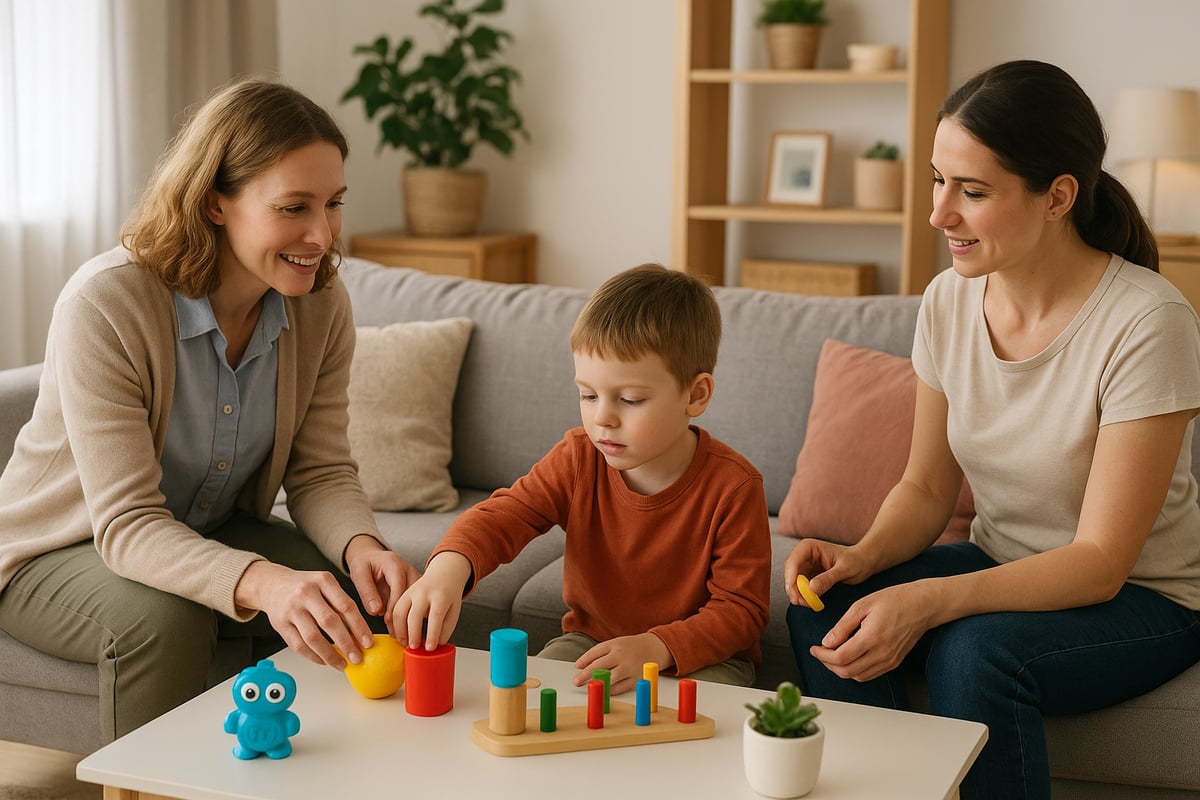
Autism in home services provide a foundation for children to make faster, more natural progress. Learning takes place in familiar spaces, using real-life objects and routines. This helps children generalize skills much quicker than in a clinic, as they practice tasks like getting dressed or communicating needs exactly where these happen every day.
For many children, the comfort of home reduces anxiety and increases motivation to participate. Therapists can target communication, social, and adaptive skills by embedding learning into activities such as playtime, meals, or bedtime. For example, a child struggling with transitions may learn to follow a visual schedule during their morning routine, gaining independence with each step.
Research shows that autism in home services are linked to faster generalization of skills compared to clinic-only models. By practicing in their own environment, children can transfer new abilities to other situations with greater ease. This approach also enables therapists to observe and address behaviors that emerge only at home, further accelerating development.
Benefits for Families and Caregivers
Autism in home services extend support beyond the child to the entire family system. Parents receive hands-on training and real-time coaching during sessions, learning effective strategies they can use every day. This direct involvement empowers caregivers to manage behaviors, reinforce skills, and build confidence in their ability to help their child succeed.
Family members, including siblings, can actively participate in therapy. This not only strengthens relationships but also creates a unified support network at home. For families seeking guidance on sibling involvement, Supporting siblings in autism care offers practical tips for including brothers and sisters in the journey.
Flexible scheduling and the elimination of travel make autism in home services especially convenient for busy households. Therapists adapt to family routines, ensuring that learning happens at times that work best for everyone. Over time, families report less stress and a greater sense of hope as they see their child’s progress unfold within their own walls.
Addressing Challenging Behaviors at Home
One of the standout benefits of autism in home services is the ability to tackle challenging behaviors where they actually occur. Behaviors like aggression, elopement, or difficulty with routines are often unique to the home setting. Therapists can observe triggers firsthand and create tailored interventions that fit each family’s lifestyle.
For example, a therapist might help a family manage aggression that only appears during sibling interactions. By coaching parents in real time and involving siblings in structured activities, everyone learns strategies to prevent and respond to these moments safely.
Autism in home services also support crisis management and safety planning. With professional guidance, families develop clear plans for handling escalations and keeping everyone safe. This proactive approach builds resilience and confidence, allowing families to navigate challenges with greater ease and peace of mind.
Types of In Home Autism Support & Solutions
Families exploring autism in home services in 2026 will find an array of specialized supports designed to meet unique needs in the comfort of home. These solutions blend proven therapies, technology, and personalized training to create a holistic, flexible approach.
Today, autism in home services offer more than just convenience. They allow children and adults to learn and grow in their own environments, making therapy more meaningful and effective. Let’s look at the main types of support available.

Applied Behavior Analysis (ABA) in the Home
Applied Behavior Analysis (ABA) is one of the most well-established autism in home services. In 2026, ABA therapy adapts seamlessly to daily family routines, focusing on practical skills that matter most at home.
Therapists use ABA to target communication, daily living skills, and reduce challenging behaviors. For example, a therapist might work on toileting by building step-by-step routines using the family’s actual bathroom, making the learning process more relatable for the child.
ABA in autism in home services often includes data collection during real-life activities. This allows for immediate feedback and adjustments, supporting faster progress. Therapists also teach parents how to use positive reinforcement throughout the day, turning everyday moments into learning opportunities.
Hybrid models are now common, with Board Certified Behavior Analysts (BCBAs) supervising remotely via telehealth while Registered Behavior Technicians (RBTs) deliver in-person support. This setup enhances flexibility and ensures families receive expert guidance, even if local providers are limited.
ABA’s personalized approach is a hallmark of autism in home services, empowering families to address urgent needs in real time.
Speech and Occupational Therapy at Home
Speech and occupational therapies are integral parts of autism in home services. These therapies are most effective when woven into the routines and environments where children feel safest.
Speech therapists help children practice communication skills during natural moments, such as requesting favorite snacks at snack time or engaging in conversation during play. Occupational therapists focus on building independence in daily tasks like getting dressed, brushing teeth, or using utensils at meals.
In autism in home services, therapists often collaborate closely. For instance, a speech therapist and occupational therapist might work together to help a child communicate needs while improving fine motor skills during a cooking activity.
Assistive technology is increasingly used in autism in home services. Tablets, communication devices, and even smart home tools support children with limited verbal skills, helping them express themselves more easily.
Naturalistic teaching and play-based interventions are central to this approach. By practicing skills in real-life settings, children are more likely to generalize what they learn, leading to lasting progress.
Parent and Family Training Solutions
A vital component of autism in home services is empowering families with practical tools and ongoing coaching. Structured parent training programs equip caregivers to reinforce therapy goals and manage challenges as they arise.
Therapists provide hands-on guidance, modeling strategies for behavior support, communication, and stress management. For example, a family might receive coaching on using positive reinforcement to encourage homework routines, making daily life smoother for everyone.
Parent involvement is key to successful autism in home services. When caregivers participate actively, children are more likely to achieve meaningful milestones and maintain progress over time.
Many families benefit from additional resources and support networks tailored to their needs. If you are seeking more guidance, Parent resources for autism support offers tools and information to help families navigate the complexities of in-home care.
With personalized training and ongoing support, autism in home services foster confidence and resilience in both children and their caregivers.
Steps to Accessing Autism In Home Services in 2026
Navigating the process of accessing autism in home services can feel overwhelming, especially when your family is eager to get support as soon as possible. The good news is that in 2026, advances in telehealth and expanded provider networks have made it easier and faster for families to find the help they need.
Let’s walk through the key steps so you can feel confident about the journey ahead.
What to Look for in a Provider
Choosing the right provider for autism in home services is one of the most important decisions you’ll make. The right team can make a world of difference in your child’s progress and your family’s experience.
Look for these provider qualifications:
- Board Certified Behavior Analysts (BCBAs), Registered Behavior Technicians (RBTs), or licensed therapists with experience in home-based care.
- A track record of working with children at your child’s age and developmental stage.
- Cultural and language sensitivity that matches your family’s needs.
Ask for testimonials or outcome data from other families who have used their autism in home services. Transparency about treatment plans and regular progress updates is essential.
Watch out for red flags, such as unclear communication, vague treatment plans, or providers who do not involve parents in planning. You deserve a provider who values family collaboration and respects your unique situation.
Common Challenges and Solutions
Even with the growing availability of autism in home services, families may encounter a few challenges. Understanding these hurdles ahead of time can help you feel empowered and prepared.
Common challenges include:
- Waitlists for qualified providers in your area, especially in rural regions.
- Navigating insurance paperwork, pre-authorizations, and approval processes for autism in home services.
- Privacy concerns about inviting therapists into your home.
Practical solutions:
- Explore telehealth options if local providers are limited, as many teams now offer virtual sessions and hybrid models.
- Reach out to advocacy organizations or parent support groups for help with insurance navigation and paperwork.
- Set clear boundaries and expectations with therapists to ensure privacy and safety during in-home visits.
Remember, each step brings you closer to the support your child and family deserve. With patience, persistence, and the right team, autism in home services can become a vital part of your child’s growth and your family’s journey.
Insurance, Funding, and Cost Considerations
Navigating insurance and funding for autism in home services can feel overwhelming, but understanding your options can make a world of difference for families. In 2026, more insurance plans than ever before are stepping up to support those seeking autism in home services, making quality care accessible to more households.
Types of Insurance Coverage for Autism In Home Services
Most families start by exploring their health insurance plans. In 2026, Medicaid, private insurance, and state-funded programs commonly provide coverage for autism in home services. Medicaid waivers are a lifeline for many, especially for intensive therapies like ABA delivered at home.
Private insurance plans now often cover ABA, speech therapy, and occupational therapy in the home setting. However, coverage details can vary widely, especially by state. For a detailed breakdown of what your state requires, check out this ABA Therapy Insurance Coverage by State.
State-funded programs may offer additional support, especially for families who do not qualify for Medicaid or have gaps in private insurance. These programs can help bridge the cost of autism in home services for children, teens, and adults alike.
Typical Services Covered and Out-of-Pocket Costs
Insurance plans often cover essential therapies such as:
- Applied Behavior Analysis (ABA)
- Speech therapy
- Occupational therapy
Coverage levels, session limits, and provider networks can differ. While many policies now mandate coverage for autism in home services, families may still face deductibles or co-pays.
Out-of-pocket costs can add up, especially if you opt for more hours or specialized services. Financial assistance options include Medicaid waivers, state grants, and nonprofit scholarships. Flexible spending accounts (FSAs) and health savings accounts (HSAs) may also help offset expenses.
Navigating Approvals, Documentation, and Claims
Securing coverage for autism in home services often requires careful paperwork. Families are typically asked to provide:
- A formal autism diagnosis
- A physician’s referral
- Detailed treatment plans from providers
Pre-authorizations are common, so start the process early. Keep copies of all documents and maintain open communication with your insurance company. Many providers offer insurance navigation support, helping families avoid common pitfalls and delays.
Here’s a quick summary table to help visualize your options:
| Plan Type | Typical Coverage for In Home Services | Notes |
|---|---|---|
| Medicaid | ABA, speech, OT, PT | Waivers may be needed |
| Private Insurance | ABA, speech, OT | Coverage varies by state and policy |
| State Programs | Supplemental therapies | May fill gaps not covered by insurance |
2026 Trends and Real-World Example
Thanks to expanded mandates, more families are finding that autism in home services are covered with fewer wait times and broader provider networks. For example, one family in 2026 secured a Medicaid waiver, allowing their child to receive daily ABA therapy at home with minimal out-of-pocket cost.
As the landscape evolves, staying informed about your options gives you the power to advocate for your child’s needs. Remember, you are not alone—many families are navigating the same path and finding hope through improved access to autism in home services.
Tips for Maximizing Outcomes with In Home Autism Services
Supporting your child or loved one through autism in home services is a journey that can feel overwhelming at times. The good news is, small, consistent steps at home can lead to meaningful progress and a more positive experience for everyone involved.
Establish Consistent Routines
Consistency is the backbone of successful autism in home services. Establishing daily routines helps children know what to expect, reducing anxiety and supporting skill development. Incorporate therapy goals into household activities, such as practicing communication during mealtimes or using a bedtime checklist.
For more ideas on weaving therapeutic strategies into your day, check out these tips for reinforcing ABA skills at home.
Active Participation and Collaboration
Your involvement is vital. Actively participate in sessions, ask questions, and practice new strategies between visits. Collaborate with therapists to set realistic, measurable goals for autism in home services that fit your family’s needs.
Encourage open communication with your care team. Share observations, concerns, and celebrate small wins together to keep everyone on the same page.
Create a Supportive Environment
A calm, organized space can make a big difference. Minimize distractions during therapy sessions by turning off screens and setting aside toys not needed for the activity. Visual supports, like schedules or choice boards, help reinforce expectations and transitions in autism in home services.
Keep materials accessible and maintain a positive, encouraging atmosphere to boost motivation and confidence.
Track Progress and Celebrate Success
Monitoring progress is key to maximizing outcomes with autism in home services. Keep a simple journal or chart to record new skills, challenges, and milestones. Share these updates with your therapy team during regular check-ins.
Celebrating achievements, big or small, builds motivation and helps your child see how far they’ve come.
Build a Support Network
You are not alone in this journey. Connect with other families using autism in home services through local groups, online forums, or community events. Sharing experiences, resources, and encouragement can reduce stress and offer fresh perspectives.
Ask your provider about parent training opportunities and support resources that fit your situation.
Example: Success in Action
One family created a colorful visual schedule to help their child move smoothly through the day. By using this tool and practicing skills during daily routines, they saw improvements in independence and confidence.
Data from recent studies show that families who engage in ongoing training as part of autism in home services report higher satisfaction and better outcomes. Remember, your effort and commitment make a real difference.
I know that searching for the right support can feel overwhelming, especially when you want the very best for your child and family. After exploring how in home autism services make a real difference—personalized care, meaningful routines, and stronger family bonds—maybe you’re ready to take the next step. If you’re in New Jersey and want a compassionate, naturalistic ABA therapy approach that truly understands your child’s unique strengths, you don’t have to navigate this path alone. Let’s work together to create a brighter, more empowered future for your family. If you’re interested, you can Enroll and start your journey with Ujala Life today.