
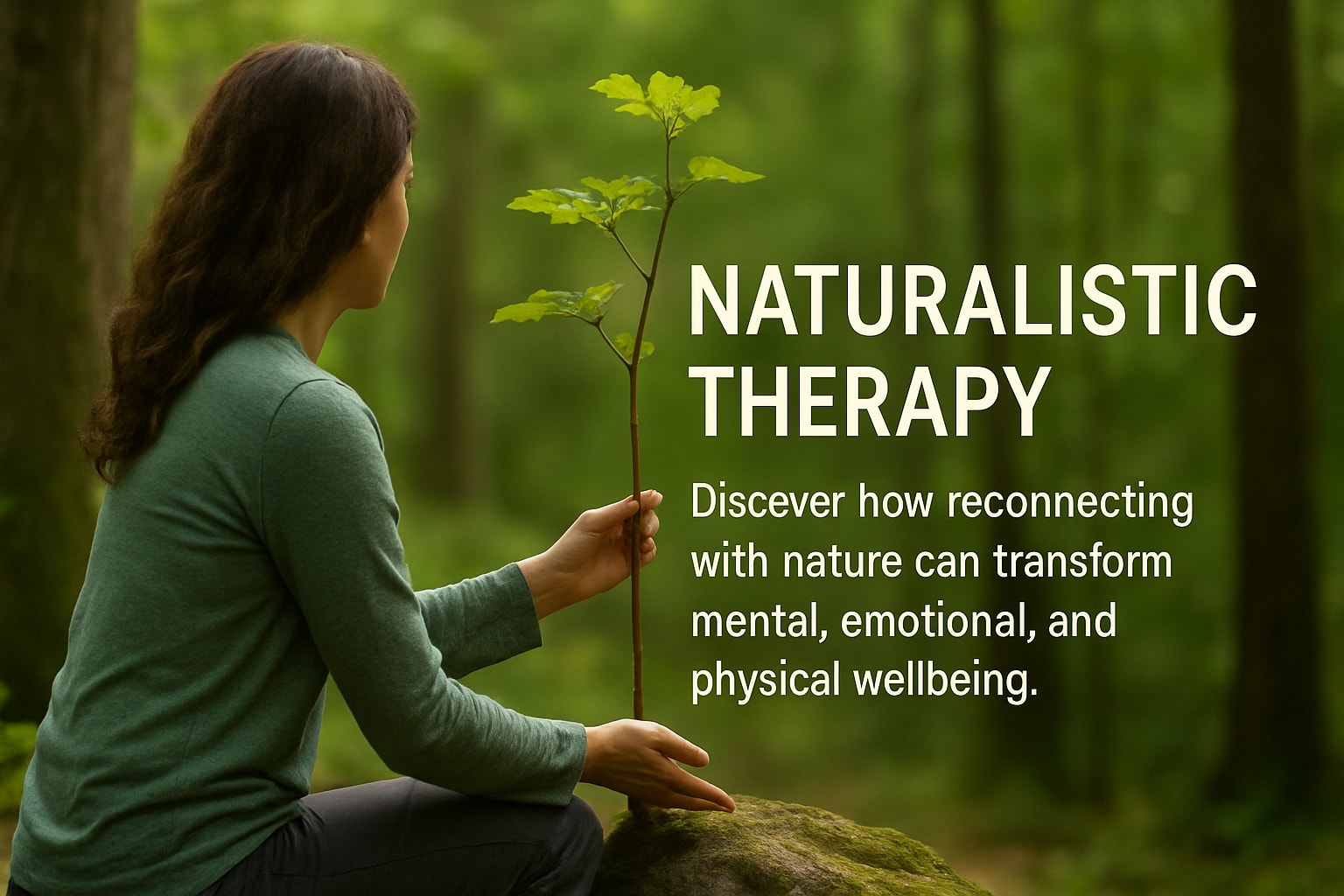
Naturalistic Therapy Guide: Embracing Nature in Healing 2026
Imagine stepping into a quiet forest, feeling the gentle breeze, and sensing your worries slowly fade away. This is the heart of naturalistic therapy, a healing approach that harnesses the power of nature to support your mental, emotional, and physical wellbeing.
In this guide, you’ll discover how naturalistic therapy is transforming traditional healing in 2026. We’ll explore its foundations, the science behind nature-based healing, and practical ways to integrate these methods into daily life. Whether you’re curious about the latest research or ready to embrace nature in your own journey, this guide is here to inspire and support you.
Understanding Naturalistic Therapy: Foundations and Philosophy
What Is Naturalistic Therapy?
Naturalistic therapy is a holistic, client-centered approach that weaves the healing power of nature into therapeutic practice. Rather than relying solely on structured, indoor sessions, naturalistic therapy invites individuals to engage with the natural world as an active part of their healing journey. This method sees people not just as patients, but as whole beings whose wellbeing is deeply connected to their environment.
The Evolution of Naturalistic Therapy
The roots of naturalistic therapy stretch back to ancient healing traditions, where nature was central to both physical and emotional health. Over time, modern therapy moved indoors, focusing on standardized techniques and clinical settings. However, as research uncovered the limitations of these conventional approaches, therapists began to revisit and adapt nature-based methods. Today, naturalistic therapy reflects this evolution, blending evidence-based practices with the wisdom of our ancestors.
The Philosophy Behind Nature-Based Healing
At the heart of naturalistic therapy is the belief that humans are biologically wired to connect with nature. The biophilia hypothesis, introduced by E.O. Wilson, suggests that people possess an innate drive to seek out connections with the natural world. Eco-psychology builds on this, highlighting the mental and emotional benefits of nurturing this bond. By intentionally fostering these connections, naturalistic therapy taps into powerful mechanisms for healing and growth.
Naturalistic Therapy vs. Traditional Clinical Approaches
Unlike conventional therapy, which often takes place in structured, indoor offices, naturalistic therapy embraces organic, experiential processes. Where traditional methods may be directive and scripted, naturalistic therapy is flexible, adapting to the unique needs and interests of each client. Sessions might occur outdoors, involve hands-on activities, or integrate real-life contexts that make learning more meaningful.
| Aspect | Naturalistic Therapy | Traditional Clinical Therapy |
|---|---|---|
| Environment | Outdoors, gardens, parks | Indoors, offices, clinics |
| Approach | Client-centered, flexible | Structured, directive |
| Activities | Play, exploration, nature | Talk-based, worksheets |
| Reinforcement | Natural, real-world | Artificial, token-based |
Real-World Modalities and Evidence
Naturalistic therapy includes a range of modalities, each leveraging unique aspects of the natural world. Forest bathing, also known as Shinrin-yoku, immerses individuals in wooded environments to reduce stress and restore balance. Horticultural therapy uses gardening to foster mindfulness, responsibility, and growth. Animal-assisted interventions bring in the calming presence of animals to enhance social and emotional learning.
Research consistently shows that these approaches boost engagement and support skill generalization. For example, naturalistic ABA therapy uses play and exploration to help children acquire and apply new skills across settings. To learn more about these benefits, see How naturalistic ABA therapy enhances learning.
Misconceptions and Modern Relevance
Some people mistakenly believe that naturalistic therapy is simply outdoor play or an unstructured activity. In reality, it is a structured, evidence-based approach grounded in research and intentional practice. As the demand for holistic, sustainable, and personalized care grows in 2026, naturalistic therapy stands out for its ability to address diverse needs and promote lasting wellbeing.
By embracing our innate connection to nature, naturalistic therapy offers a path to healing that is both timeless and cutting-edge.
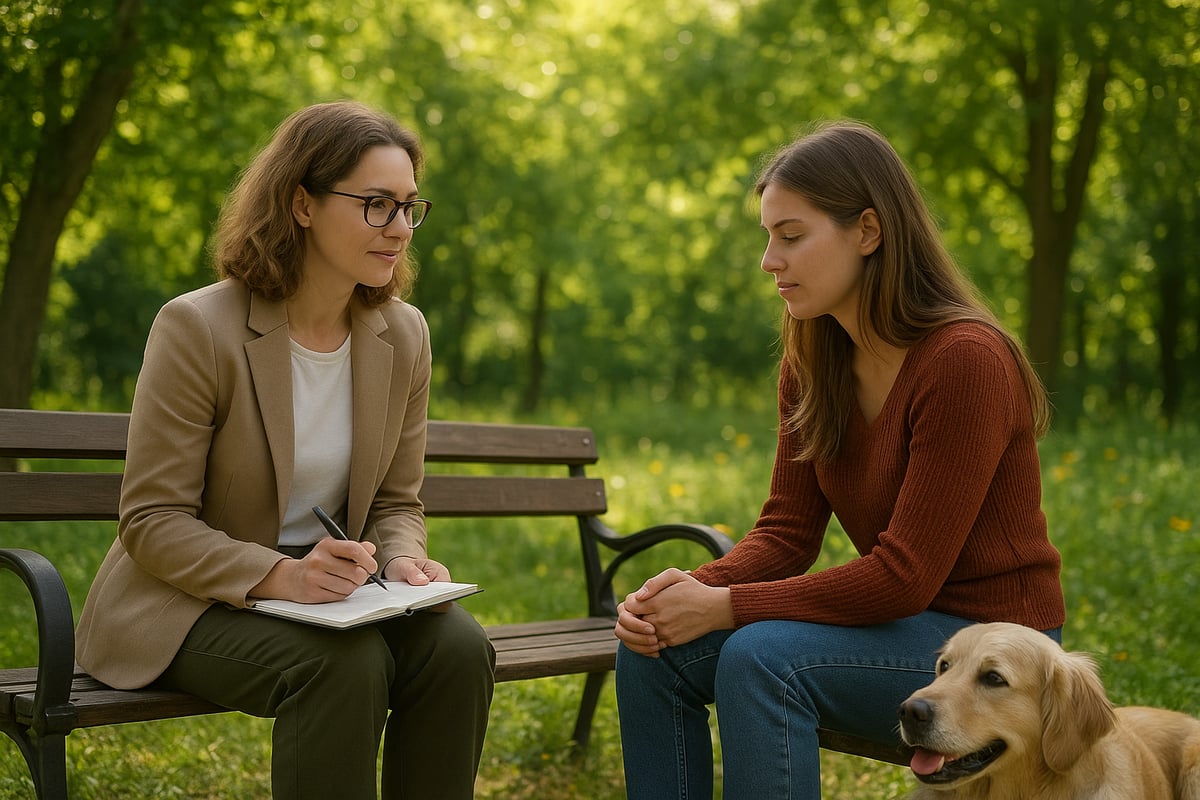
The Science of Nature-Based Healing: Research, Mechanisms, and Outcomes
Connecting with the natural world is not just a pleasant escape—it is a powerful, scientifically supported approach to healing. In this section, we explore how naturalistic therapy harnesses nature’s restorative effects on mind and body. We will look at the latest research, explain the mechanisms behind nature-based healing, and share what the evidence tells us about long-term outcomes.
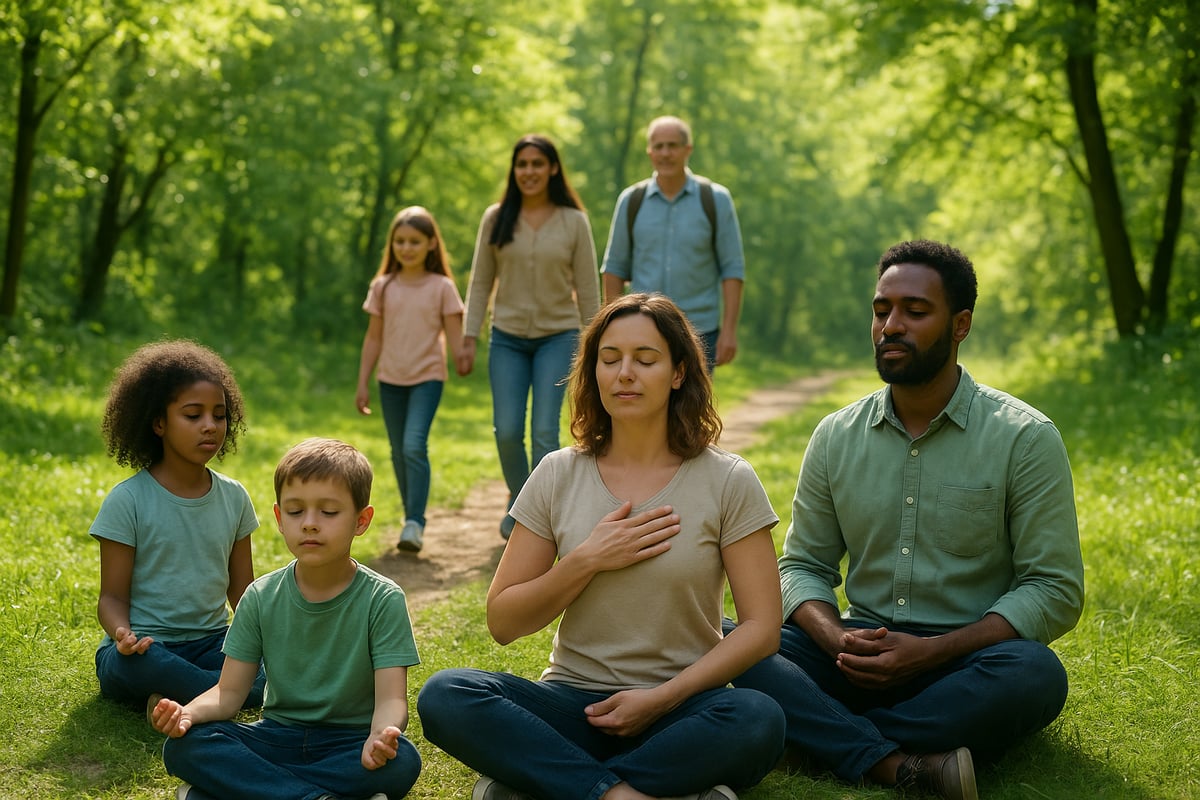
Physiological and Psychological Benefits of Nature Exposure
Spending time in natural environments leads to measurable improvements in both physical and mental health. Studies show that naturalistic therapy reduces stress, lowers cortisol, and enhances mood. Even brief exposure to green spaces can improve attention, memory, and overall cognitive function.
Research highlights that nature-based activities promote neuroplasticity, especially in children and people with developmental differences. For example, early intervention using naturalistic therapy in ABA settings has been linked to IQ gains of up to 18 points, along with significant improvements in language and social skills.
Nature also boosts immune function, increases heart rate variability, and decreases symptoms of anxiety and depression. According to a systematic review on nature as a therapeutic tool, nature-based settings enhance engagement and outcomes in mental health services across age groups.
Here’s a quick summary of key benefits:
| Benefit | Evidence/Outcome |
|---|---|
| Stress reduction | Lower cortisol, improved relaxation |
| Cognitive restoration | Better attention, memory, and problem-solving |
| Mood enhancement | Reduced depression and anxiety symptoms |
| Immune boost | Increased natural killer cell activity |
With mounting evidence, naturalistic therapy is increasingly recognized as a vital part of holistic health.
How Nature Enhances Therapeutic Engagement and Learning
Naturalistic therapy stands out for its ability to boost engagement and motivation. Outdoor settings naturally invite exploration, curiosity, and spontaneous learning. This is especially valuable for children, who often respond better to play-based, interactive activities than to traditional, structured therapy.
In a natural environment, skills are acquired and practiced in real-life contexts. For example, children might learn communication while gardening, or practice social skills during group hikes. These activities offer authentic opportunities for skill generalization, making new abilities more likely to be used outside therapy.
Lists of effective nature-based activities in therapy include:
- Outdoor play and movement games
- Gardening and plant care
- Animal-assisted interactions
- Nature walks with observation tasks
Naturalistic therapy leverages natural reinforcement, like praise for curiosity or encouragement during exploration. Because learning happens in contexts that feel meaningful, individuals are more motivated and engaged. This results in better retention and transfer of skills to daily life.
Therapists and caregivers also find that natural environments reduce resistance and make sessions feel less clinical. This helps foster trust and connection, essential ingredients for lasting change.
Long-Term Outcomes and Evidence-Based Practice
Over the long term, naturalistic therapy delivers sustained improvements across a wide range of well-being measures. Longitudinal studies show that children who receive early, nature-based interventions continue to make gains in language, adaptive skills, and socialization years after therapy ends.
Meta-analyses reveal that naturalistic therapy is especially effective for anxiety, depression, and trauma recovery. For example, nature-based interventions have been shown to reduce symptoms of post-traumatic stress and increase emotional resilience.
Family involvement is another key to lasting success. When caregivers participate in naturalistic therapy, skills are more likely to generalize across settings, making progress sustainable at home, school, and in the community.
There are exciting new directions in 2026, such as the use of digital nature experiences, expanding access to urban green spaces, and hybrid models combining virtual and real-world nature. While more research is needed, the evidence so far is clear: naturalistic therapy offers a promising path for holistic, personalized healing.
Core Approaches in Naturalistic Therapy: Methods, Modalities, and Populations
Reconnecting with the natural world can look different for everyone. Naturalistic therapy offers a range of approaches, each designed to harness the healing power of nature in unique ways. Whether you're seeking stress relief, skill development, or emotional resilience, there's a naturalistic therapy method that can meet your needs.
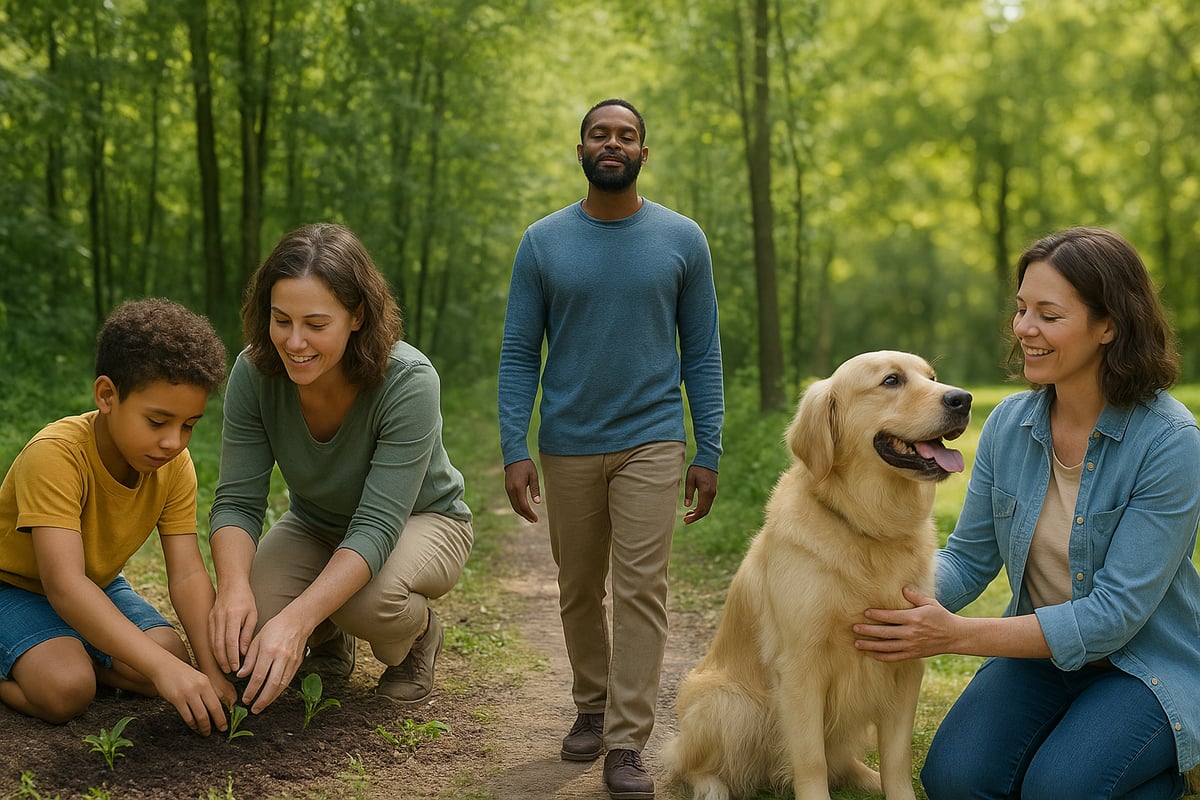
Key Modalities and Their Applications
Naturalistic therapy draws from a rich toolkit of modalities. Each one integrates nature into the healing process, while remaining flexible for age, background, and preference.
Common Modalities:
- Nature Walks: Guided or self-directed, these walks foster mindfulness and reduce stress in natural settings.
- Horticultural Therapy: Gardening activities boost mood and offer hands-on skill-building, particularly in managing depression or anxiety.
- Animal-Assisted Therapy: Working with animals, such as therapy dogs or horses, supports socialization, emotional regulation, and trust-building.
- Adventure Therapy: Outdoor challenges like hiking or rock climbing help individuals develop confidence and resilience.
- Outdoor Mindfulness: Practices such as meditation or yoga in green spaces enhance focus, calm, and self-awareness.
Each approach is adaptable. For example, forest therapy (also known as Shinrin-yoku) involves slow, sensory immersion in wooded environments, which research shows can lower cortisol and improve mood. In contrast, therapeutic gardening can be tailored for children, seniors, or those with limited mobility, making naturalistic therapy accessible to all.
Therapists work closely with clients to select the right modality. They consider cultural background, physical ability, and personal interests, ensuring each experience is meaningful. This client-centered philosophy is central to naturalistic therapy, and it’s what makes these interventions so effective.
Modality and Application Table
| Modality | Target Population | Example Goal |
|---|---|---|
| Nature Walks | All ages | Stress reduction, mindfulness |
| Horticultural Therapy | Children, adults, seniors | Depression management |
| Animal-Assisted Therapy | Children, trauma survivors | Socialization, trust |
| Adventure Therapy | Teens, adults | Resilience, confidence |
| Outdoor Mindfulness | All ages | Emotional regulation |
Naturalistic therapy modalities go beyond simple outdoor play. They are structured, evidence-based, and personalized for each individual.
Naturalistic Approaches in Autism and Developmental Therapy
For children with Autism Spectrum Disorder (ASD) and other developmental differences, naturalistic therapy offers a powerful path to learning and growth. Unlike traditional, highly structured clinical settings, these approaches embed therapeutic techniques into real-life contexts.
Core Methods:
- Play-Based ABA Therapy: Uses child-led play and natural activities to teach communication and social skills.
- Pivotal Response Treatment (PRT): Focuses on motivation and response to multiple cues, promoting spontaneity and engagement.
- Incidental Teaching: Therapists create opportunities for learning within everyday routines, encouraging children to initiate communication.
- Natural Environment Teaching (NET): Skills are taught in familiar, meaningful settings, using real-life items and interests to increase motivation. Learn more about natural environment teaching in ABA and how it supports this approach.
Research shows that naturalistic therapy leads to greater skill generalization, especially when families are actively involved. For example, a child learning to request a snack during snack time at home is more likely to use that skill in other environments. Therapists coach parents and caregivers to reinforce these skills, making progress more sustainable.
Naturalistic therapy is also highly adaptable. Activities are chosen based on the child’s interests, strengths, and cultural background. This flexibility increases engagement and makes learning feel like a natural part of daily life.
Integrating Nature into Adult and Trauma Therapy
Naturalistic therapy isn’t just for children. Adults facing trauma, anxiety, or depression can also benefit from nature-based interventions. These methods help individuals reconnect with their environment and themselves.
Approaches Include:
- Eco-Therapy: Involves guided reflection and activities in nature, helping adults process emotions and build resilience.
- Wilderness Retreats: Small groups or individuals participate in extended outdoor experiences, fostering healing and personal growth.
- Therapeutic Gardening: Caring for plants provides a soothing, purposeful activity, supporting those managing depression or stress.
- Animal-Assisted Support: Interacting with animals can provide comfort and grounding, especially for those living with PTSD.
Research highlights the benefits of naturalistic therapy for adults, including improved emotional regulation, social connection, and post-traumatic growth. For instance, mindful hiking in a forest can help trauma survivors manage anxiety and rebuild trust in themselves and others.
Therapists adapt naturalistic therapy to each adult’s needs. Some may find solace in quiet walks, while others thrive in group-based wilderness activities. The key is personalization, creating a safe and supportive environment where healing can unfold naturally.
Step-by-Step Guide to Implementing Naturalistic Therapy
Starting your journey with naturalistic therapy can feel both exciting and a bit daunting. This step-by-step guide is here to help you navigate the process, offering clear, practical advice for bringing nature-based healing into daily life. Whether you are a caregiver, educator, or therapist, these steps will empower you to create meaningful change using the principles of naturalistic therapy.
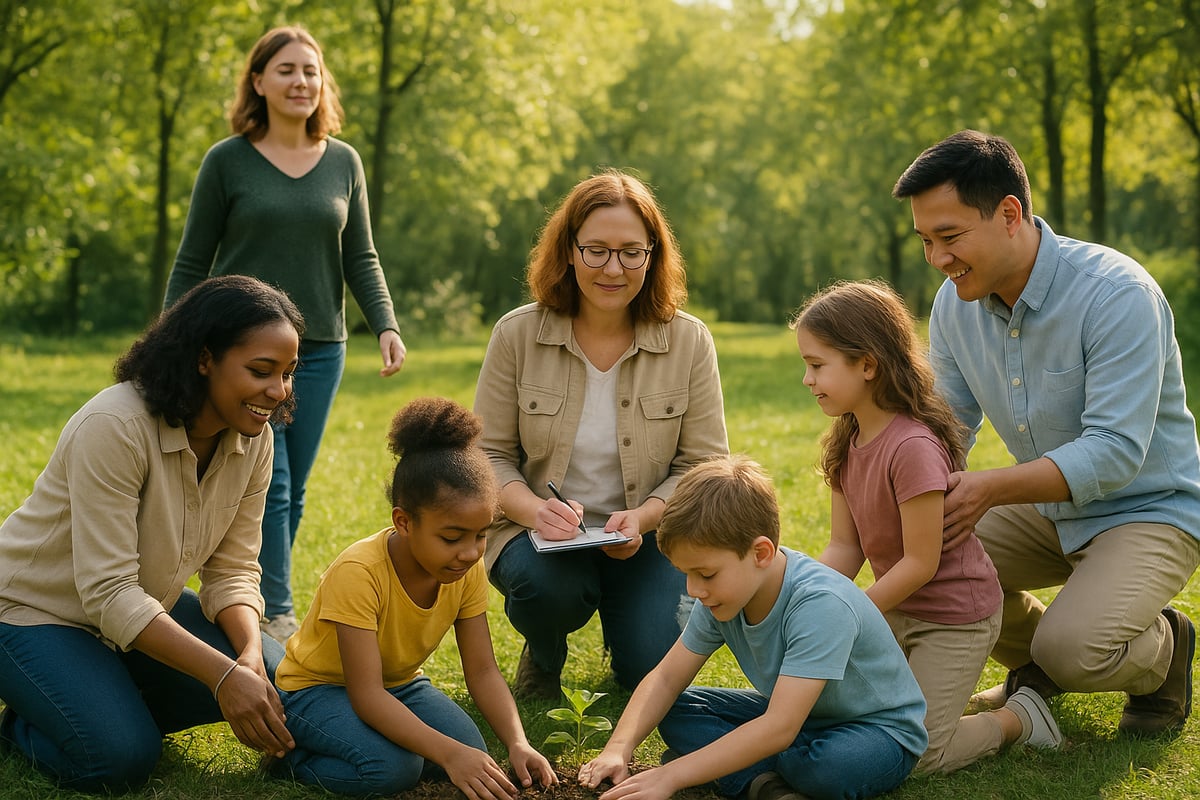
Step 1: Assessing Individual Needs and Readiness
Before diving into naturalistic therapy, it is essential to understand the unique needs, preferences, and readiness of each individual. Start with an open conversation about their interests and comfort level with nature-based activities.
Consider developmental stage, cultural background, and any potential accessibility challenges. For some, sensory sensitivities or limited mobility may require creative adaptations. Assessment tools, interviews, and observation can help identify strengths, challenges, and goals.
By investing time in this initial step, you set the foundation for a personalized, effective naturalistic therapy experience. Remember, honoring differences and meeting people where they are builds trust and fosters engagement from the very start.
Step 2: Designing a Personalized Nature-Based Intervention Plan
Once you have a clear understanding of individual needs, collaborate to design a tailored plan for naturalistic therapy. This plan should reflect the person’s interests, preferred activities, and therapeutic goals.
Choose modalities that resonate—such as outdoor play, gardening, or animal interaction. Set measurable, achievable goals that align with what motivates the person. For children, this might mean skill-building through play in a garden; for adults, mindful walking or nature journaling could be more meaningful.
Integrate evidence-based approaches and adapt them for individual strengths and challenges. Personalization is key to maximizing the benefits of naturalistic therapy and ensuring lasting engagement.
Step 3: Creating Safe and Supportive Natural Environments
Safety and comfort are crucial for successful naturalistic therapy. Identify accessible locations like parks, community gardens, or dedicated therapy centers. Assess these spaces for hazards, considering weather, terrain, and potential allergens.
Prepare the environment by bringing necessary materials—such as sensory-friendly seating, shade, or adaptive tools—to ensure everyone feels at ease. Think about sensory considerations, like noise levels or visual distractions, and adjust as needed.
A supportive setting helps individuals feel secure, promotes exploration, and enables the full therapeutic potential of naturalistic therapy to shine. When people feel safe, they are more likely to engage and grow.
Step 4: Facilitating Engagement and Skill-Building in Nature
Engagement is at the heart of naturalistic therapy. Use playful exploration, real-life scenarios, and hands-on activities to teach and reinforce skills. Outdoor settings naturally spark curiosity and provide countless opportunities for spontaneous learning.
- Encourage autonomy by letting individuals choose activities or paths in nature.
- Use real objects—like leaves, stones, or garden tools—to practice communication, problem-solving, or social skills.
- Reinforce progress naturally, celebrating small wins as they happen.
For more practical strategies, explore Beyond the clinic: building naturalistic ABA moments, which offers actionable tips for integrating naturalistic therapy into everyday routines. By making learning fun and relevant, skill-building becomes a joyful and sustainable process.
Step 5: Monitoring Progress and Adjusting Interventions
Ongoing monitoring is vital to the success of naturalistic therapy. Use observation, data collection, and regular check-ins to track progress toward goals. Involve families and caregivers in the process for consistency and to help generalize skills across settings.
Be flexible—adjust activities and objectives based on what works best and how the individual is responding. Celebrate progress, however small, and use setbacks as opportunities to learn and adapt.
Regular review and collaboration ensure that naturalistic therapy remains effective and meaningful over time. With patience and commitment, you empower individuals to thrive within and beyond nature-based sessions.
Benefits and Challenges of Embracing Nature in Healing
Nature offers a transformative path toward holistic healing. The benefits of naturalistic therapy reach far beyond simple relaxation. Individuals report improved mood, reduced anxiety, and a greater sense of well-being when engaging with natural environments. According to recent research, nature-based therapy is effective for anxiety and depression, helping people manage stress and build emotional resilience. Naturalistic therapy also supports physical health by encouraging movement, enhancing immune function, and promoting restful sleep. These outcomes underscore why so many are seeking nature-integrated healing in 2026.
Naturalistic therapy fosters practical gains that ripple through daily life. Many families share stories of rapid progress when children participate in play-based, outdoor sessions. For those with developmental differences, naturalistic therapy encourages communication, social skills, and independence. Evidence from naturalistic developmental behavioral interventions highlights how embedding learning in real-world settings boosts skill generalization and increases family involvement. Adults, too, find greater motivation to stay active and mindful through nature-based routines.
Despite its advantages, naturalistic therapy faces several challenges. Urbanization has reduced access to safe, green spaces, especially for marginalized communities. Weather and seasonal changes can limit outdoor sessions. Accessibility remains a concern for individuals with mobility or sensory needs, while therapists may require specialized training to deliver effective nature-based interventions. Safety and privacy in outdoor settings also demand careful planning and consideration.
Creative solutions are emerging to address these barriers. Therapists and families are making use of local parks, community gardens, and even small green corners in urban areas. Digital nature experiences, such as virtual forest walks or nature soundscapes, offer supplementary support when real-world access is limited. Collaboration with schools, clinics, and local organizations expands resources and ensures more people can benefit from naturalistic therapy. Communities are also advocating for more inclusive, accessible outdoor spaces.
Looking ahead, the future of naturalistic therapy is bright. Innovative technology, such as immersive virtual reality nature programs, is expanding the reach of therapy. Policy changes are supporting the integration of nature-based practices into mainstream healthcare and education. Families and practitioners are sharing success stories, inspiring others to explore these holistic approaches. As research continues, naturalistic therapy will likely become an essential part of personalized, sustainable healing in 2026 and beyond.
Practical Tips for Integrating Nature into Everyday Life and Therapy
Reconnecting with nature does not have to be complicated or time-consuming. Small, intentional steps can make a significant difference in integrating naturalistic therapy into daily routines. Whether you are a parent, educator, therapist, or simply someone seeking holistic healing, these practical tips can help you embrace the outdoors with confidence and purpose.
Everyday Nature-Based Activities for Families and Individuals
Incorporating naturalistic therapy into everyday life can begin with simple outdoor experiences. Start with daily walks in a local park, tending to a small garden, or even sitting quietly among trees to practice mindful breathing. These moments help reduce stress and foster a sense of calm.
Families can make nature part of their routine by scheduling regular outdoor playtimes, organizing scavenger hunts, or working together on nature-inspired art projects. Activities like birdwatching, cloud gazing, and collecting leaves offer opportunities for curiosity and discovery.
Adapting these activities is essential for different ages and abilities. For young children, sensory bins filled with natural materials or sandbox play can introduce nature in a gentle way. Older adults might enjoy nature journaling or participating in community gardening. If mobility is a concern, consider bringing elements of nature indoors with houseplants or window gardens.
Many people find inspiration in practices like Shinrin-yoku (forest bathing) overview, which encourages slow, mindful walks among trees for improved wellbeing. Consistency is key for naturalistic therapy, so aim for frequent, varied experiences to maximize benefits.
Strategies for Educators, Therapists, and Caregivers
For professionals and caregivers, integrating naturalistic therapy into structured and unstructured settings can support learning and engagement. Begin by observing each individual’s interests. If a child is drawn to animals, try incorporating animal-assisted activities. For those who love movement, organize outdoor obstacle courses or nature hikes.
Maximize engagement by using real-life materials and allowing for spontaneous exploration. In therapy or classroom settings, bring in leaves, stones, or branches for sorting, counting, or storytelling. Encourage group projects such as planting seeds or building small habitats, which promote social skills and cooperation.
Flexibility is crucial for success. Adapt sessions based on the weather, sensory needs, or cultural preferences. Use natural reinforcement, such as praise during a successful nature walk or celebrating the growth of a plant. Regular observation helps identify what works best, allowing you to adjust your approach for each individual.
Evidence suggests that interactive, play-based learning in naturalistic therapy yields better outcomes, especially for children with developmental differences. For more on this, see the meta-analysis on naturalistic interventions for autism, which highlights language and social improvements through these approaches.
Building Community and Access to Nature-Based Resources
Connecting with local resources is vital for sustaining naturalistic therapy. Explore community gardens, nature centers, or public parks. Many areas offer free or low-cost programs specifically designed for families, schools, and therapy groups.
Collaboration is powerful. Partner with schools, clinics, or support organizations to share ideas and resources. Joining group activities or volunteering at green spaces can build a sense of community and provide consistent access to nature.
Advocacy plays a key role in making natural spaces accessible for everyone. Support initiatives that create inclusive parks, sensory-friendly trails, or adaptive gardening programs. Seek out therapists and programs trained in naturalistic therapy to guide your journey.
Remember, every small step towards nature can lead to meaningful growth and connection. By building a supportive network and embracing the outdoors together, you help foster resilience, joy, and lifelong wellbeing.
As we’ve explored together, embracing nature in therapy isn’t just a trend—it’s a powerful, evidence-based way to help children with ASD and their families find real healing and connection. If you’re ready to give your child the chance to learn and grow through play, exploration, and the wonders of the natural world, I’d love for you to take the next step. Let’s work together to create a personalized, supportive plan that honors your child’s strengths and unique needs. You can start your journey to holistic, naturalistic ABA therapy today—just Enroll.