Naturalistic Training Guide: Your Essential Handbook for 2026
Imagine a world in 2026 where every learner receives support tailored to their unique needs and daily experiences. The demand for effective, individualized learning strategies has never been higher.
Across education, therapy, and development, naturalistic training is gaining attention for its proven ability to foster real, lasting progress. Unlike traditional methods, it blends learning with life, helping skills stick and grow.
Naturalistic training bridges the gap between structured lessons and real-world success. It encourages genuine communication, social connections, and independence.
This article is your step-by-step handbook to mastering naturalistic training in 2026. You will find foundational knowledge, practical steps, and expert advice grounded in the latest research.
Inside, we cover the principles of naturalistic training, how to implement it, essential tools, inspiring examples, and ways to overcome common challenges. Let’s begin your journey toward more meaningful learning.
Understanding Naturalistic Training: Foundations and Principles
Naturalistic training is transforming the way we think about meaningful learning in 2026. Imagine a world where skills are acquired not just in classrooms but in kitchens, playgrounds, and community parks. This approach is gaining momentum for its ability to foster real-world growth, especially when compared to rigid, traditional teaching methods.
Defining Naturalistic Training
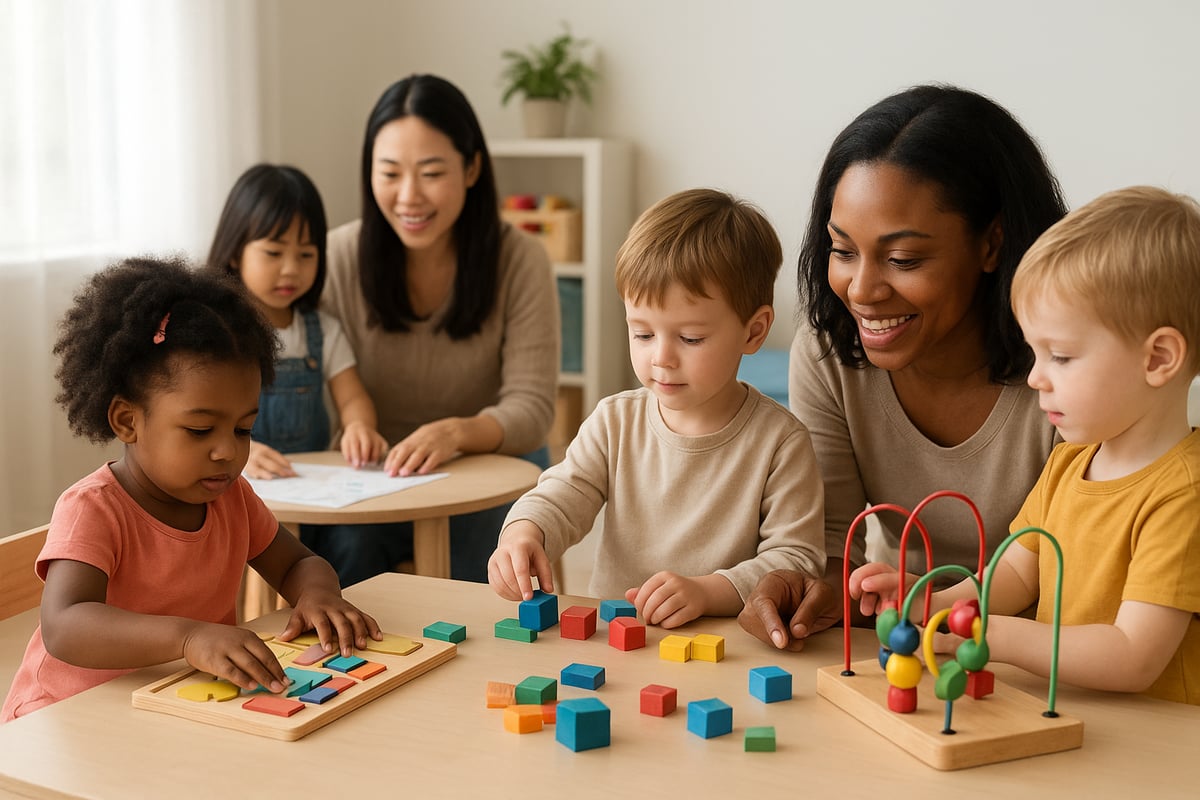
Naturalistic training is an educational and therapeutic method that weaves skill-building into everyday routines and familiar settings. Rather than relying on scripted lessons, naturalistic training encourages learning through activities like play, conversation, and daily chores.
Traditional training approaches often use repetitive drills in controlled environments. In contrast, naturalistic training allows learners to practice skills where they naturally occur, leading to more meaningful and lasting change. Recent studies show that embedding learning in real-life contexts leads to better generalization and retention.
By focusing on what matters in daily life, naturalistic training creates a bridge between structured instruction and the unpredictability of the world beyond the classroom.
Core Principles of Naturalistic Training
Several key principles guide naturalistic training:
- Learner-led interactions: The learner’s interests, choices, and pace are central, increasing motivation and engagement.
- Teaching in context: Learning opportunities are embedded in natural routines and play, making skills more relevant and memorable.
- Functional communication: The emphasis is on meaningful language and social exchanges, not just rote responses.
- Respect for individuality: Naturalistic training adapts to each person’s strengths, preferences, and cultural background.
These principles help learners feel seen, valued, and empowered to participate actively in their own growth.
Evidence-Based Benefits
Naturalistic training stands out for its strong research backing. Multiple studies, including recent meta-analyses, have found that learners using naturalistic approaches achieve higher rates of skill generalization and spontaneous use compared to those in traditional programs. For children with autism or other neurodiverse profiles, the results are especially promising.
For a deeper dive into the research and evidence-based practices supporting these methods, you can explore Naturalistic Developmental Behavioral Interventions. This resource details how naturalistic training is transforming outcomes for diverse learners.
Families and professionals also report greater satisfaction, as learning feels more organic and less stressful. Real-world relevance reduces the gap between practice and everyday success.
Who Can Benefit?
Naturalistic training is remarkably flexible. It supports:
- Infants, toddlers, and school-aged children
- Teens and adults seeking new life skills
- Neurotypical and neurodiverse individuals
Settings range from homes and schools to clinics and community spaces. The approach adapts to each context, making it a valuable tool for families, educators, and therapists alike.
Key Theoretical Influences
Naturalistic training draws from several major theories:
- Behavioral theory: B.F. Skinner’s work on reinforcement and learning.
- Developmental theory: Lev Vygotsky’s emphasis on social interaction and scaffolding.
- Social learning theory: Albert Bandura’s insights into modeling and observational learning.
- Applied Behavior Analysis (ABA): O. Ivar Lovaas’s pioneering interventions.
Together, these influences shape a holistic approach that values both structure and spontaneity.
Current Trends for 2026
As we move into 2026, naturalistic training is evolving rapidly. Technology and AI are now personalizing interventions, offering real-time feedback and data tracking. There is a growing emphasis on cultural and linguistic responsiveness, ensuring that programs honor each learner’s background.
Mainstream and special education settings are adopting naturalistic training, breaking down barriers and making these strategies accessible to more people than ever before.
The future of learning is here, and naturalistic training is leading the way by making education more human, flexible, and effective.
Step-by-Step Guide to Implementing Naturalistic Training
Implementing naturalistic training can feel overwhelming at first, but breaking it down into clear, manageable steps makes the process more approachable. This guide is designed to walk you through each stage, helping you build confidence and see real results. Whether you are a parent, educator, or therapist, these steps offer a practical path for using naturalistic training to nurture authentic growth.
Step 1: Assessing Individual Needs and Preferences
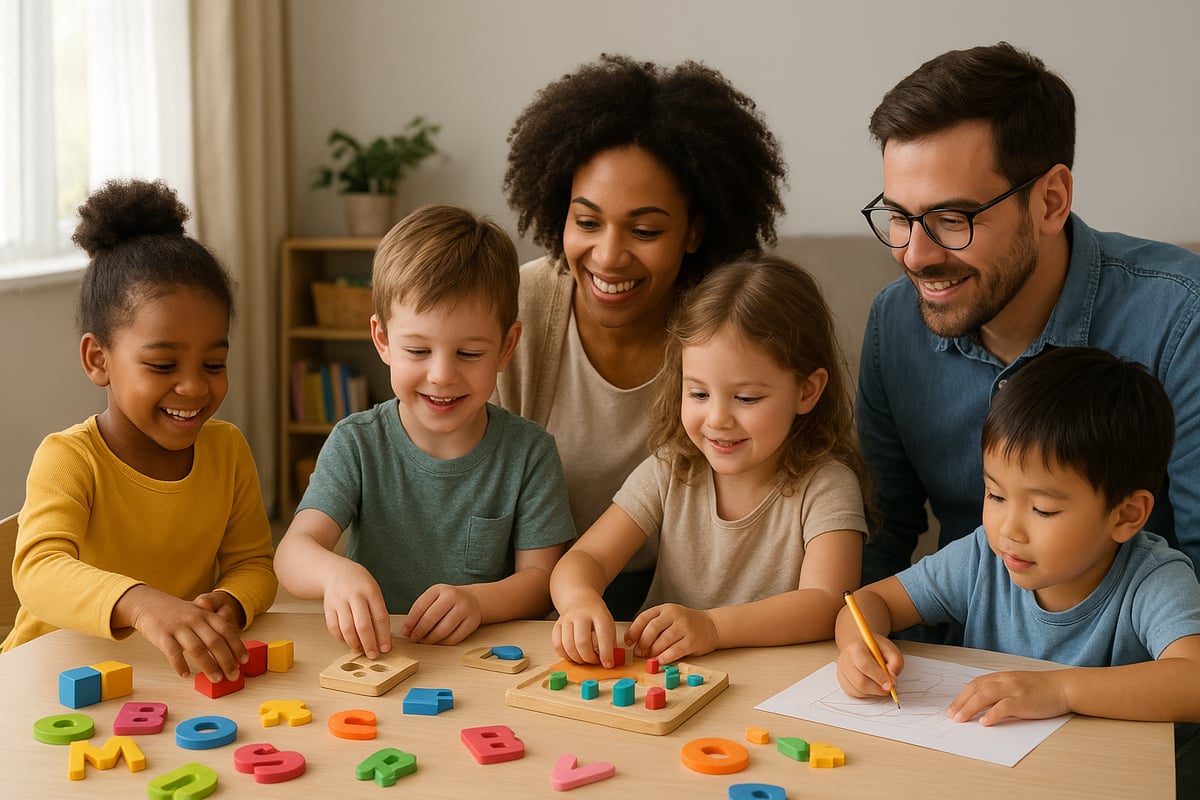
The first step in naturalistic training is understanding the unique strengths, interests, and needs of the learner. Begin with comprehensive assessments that may include developmental checklists, behavioral observations, and interest inventories. These tools help you create a profile of the learner’s abilities and preferences.
It’s important to consider the cultural, linguistic, and family context. Every person brings a unique background that shapes how they learn best. Collaborate with families and caregivers to set meaningful goals that align with daily routines and personal values.
Use the information gathered to create an individualized plan. This ensures that naturalistic training is relevant, respectful, and motivating for the learner. By starting with a foundation of understanding and collaboration, you set the stage for success.
Step 2: Setting Up the Environment
A supportive environment is essential for effective naturalistic training. Start by making learning spaces safe, accessible, and engaging. Use familiar materials from the learner’s daily life, such as favorite toys, books, kitchen items, or art supplies. These objects can spark curiosity and motivation.
Adapt the environment as needed to accommodate sensory or mobility needs. For example, provide quiet corners for learners who may be easily overwhelmed, or use visual cues to guide routines. The goal is to create a space where learners feel comfortable and empowered to explore.
Think about lighting, noise levels, and the arrangement of materials. Small changes can make a big difference in promoting attention and participation during naturalistic training.
Step 3: Embedding Learning Opportunities
The heart of naturalistic training lies in weaving teaching moments into everyday routines. Identify daily activities—like mealtime, play, or community outings—that naturally lend themselves to learning. Use these opportunities to introduce new skills in context, making lessons feel relevant and meaningful.
Balance structure with flexibility. Follow the learner’s lead, noticing what captures their attention and building on their interests. For example, if a child is fascinated by cooking, use this time to work on communication, counting, or following directions.
Practical strategies for embedding learning include asking open-ended questions, modeling new behaviors, and celebrating small successes. For a deeper dive into using natural environments for skill building, explore Natural Environment Teaching in ABA.
Embedding learning opportunities throughout the day helps skills stick, making naturalistic training a truly integrated approach.
Step 4: Delivering Prompts and Reinforcement
Prompts and reinforcement are vital tools in naturalistic training. Use a variety of prompts—such as verbal hints, gestures, or visual supports—to help the learner succeed. Start with more support and gradually fade prompts as skills develop, encouraging independence.
Reinforcement should be meaningful and connected to the activity. Natural consequences, like enjoying a snack after asking for it or playing longer after sharing, are especially effective. Track the learner’s responses to see what works best.
Adjust your approach based on ongoing observation. If a prompt isn’t helping, try a different type or offer more time. Consistent, positive reinforcement builds motivation and confidence, making naturalistic training enjoyable for everyone involved.
Step 5: Monitoring and Generalizing Skills
Ongoing monitoring is critical in naturalistic training. Collect data on both skill acquisition and spontaneous use in real life. Use simple tracking sheets or digital tools to record progress, noting when and where new behaviors occur.
Promote generalization by practicing skills with different people, in various settings, and using a range of materials. Involve caregivers, peers, and community members to support learning outside of structured sessions.
Regular feedback helps identify what’s working and where more support may be needed. By focusing on generalization, you ensure that gains made during naturalistic training truly transfer to everyday life.
Step 6: Reviewing and Adjusting the Plan
Naturalistic training is an ongoing process that requires flexibility and reflection. Schedule regular reviews to evaluate progress using the data you’ve collected. Involve the learner, family, and other team members in discussing what’s going well and where there are challenges.
If progress stalls or skills regress, brainstorm solutions together. This might mean adjusting goals, trying new strategies, or revisiting earlier steps. Celebrate successes, no matter how small, and update the plan to keep it relevant and motivating.
By making continuous adjustments, you keep naturalistic training responsive to the learner’s evolving needs. This collaborative approach builds resilience and ensures long-term growth.
Essential Tools, Techniques, and Resources for 2026
Selecting the right tools, techniques, and resources is crucial for effective naturalistic training. As we look toward 2026, these essentials are evolving, making learning more accessible and engaging for everyone.
Key Tools and Materials
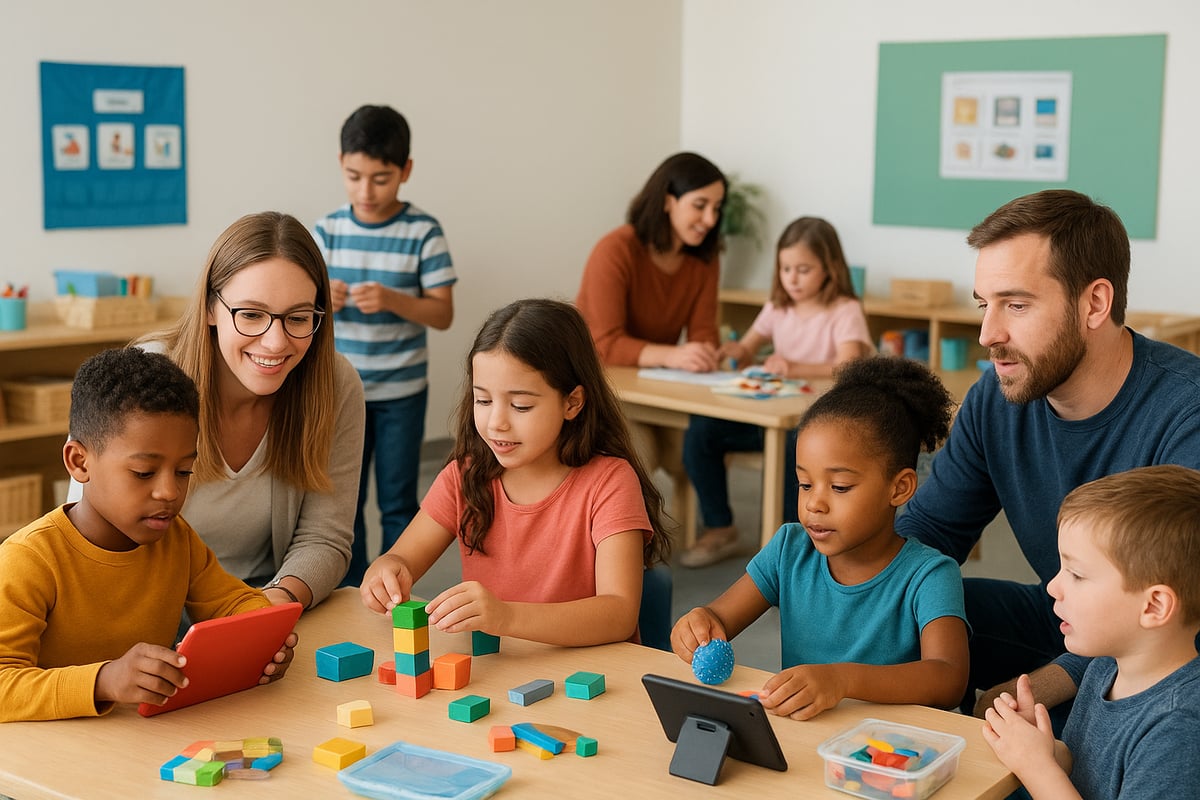
Naturalistic training thrives on using materials that are meaningful to the learner. Everyday objects—like kitchen utensils, toys, books, or even clothing—can become powerful teaching tools.
Specialized resources, such as visual schedules, communication boards, and sensory supports, help meet individual needs. Technology is also transforming naturalistic training. Apps, wearables, and AI-driven platforms provide instant feedback and personalized data tracking. These digital tools make it easier to monitor progress while keeping sessions engaging and fun.
| Tool Type | Example Items | Purpose |
|---|---|---|
| Everyday objects | Blocks, utensils, books | Embed learning in routines |
| Visual supports | Schedules, picture cards | Aid understanding and transitions |
| Technology | Tablets, AAC devices, wearables | Support communication, track data |
| Sensory tools | Fidgets, noise-canceling headphones | Address sensory needs |
Choosing the right mix of these resources ensures that naturalistic training is both flexible and responsive to every learner.
Evidence-Based Techniques
Naturalistic training uses a variety of proven methods drawn from behavioral and developmental science. Incidental teaching takes advantage of spontaneous moments, while milieu teaching embeds learning in natural settings. Pivotal response training focuses on motivation and key developmental areas.
Other strategies include modeling, shaping behaviors, and using natural reinforcement to encourage progress. Video modeling and virtual simulations are increasingly popular, allowing learners to observe and practice skills in realistic scenarios.
If you want a deeper dive into how these techniques work in practice, How Naturalistic ABA Therapy Enhances Learning offers a clear, research-backed overview of their benefits and application.
Blending these techniques allows naturalistic training to feel fluid and enjoyable, supporting real-world skill development.
Resource Recommendations
Access to high-quality resources is key for anyone looking to master naturalistic training. Books on developmental and behavioral interventions, along with up-to-date online courses, offer foundational knowledge and practical guidance.
Certification programs in 2026 are expanding to include specialized tracks for naturalistic approaches. Community and professional networks, such as local support groups or online forums, provide ongoing peer collaboration and advice.
Staying informed through research databases and evidence-based guidelines ensures that your naturalistic training methods remain current and effective. Consider setting aside time each month to review new studies and best practices.
Training for Caregivers and Professionals
Comprehensive training empowers both caregivers and professionals to deliver consistent, high-quality naturalistic training. Parent and staff training models often include hands-on workshops, video demonstrations, and ongoing supervision.
Programs that prioritize family involvement see significantly better outcomes. In fact, data from competitor content shows that robust family training can lead to 30 percent higher skill generalization rates. This highlights how naturalistic training is most successful when everyone is on the same page.
To maximize results, seek out programs that offer regular feedback, mentorship, and opportunities for collaborative problem-solving. Building a strong support system ensures that naturalistic training remains adaptable and effective for every learner.
Real-World Applications and Success Stories
Imagine seeing a child light up with excitement as they master a new skill during their favorite game or noticing a young adult confidently using public transit after months of gentle encouragement. This is the heart of naturalistic training—learning that happens in the moments that matter most.

Applications Across Settings
Naturalistic training can be woven seamlessly into daily life, making learning both meaningful and sustainable. At home, parents turn routines like mealtime, chores, and play into opportunities for growth. For example, asking a child to help set the table might spark conversations or teach counting skills.
In schools, teachers use naturalistic training during group activities, peer interactions, and academic tasks. This approach encourages genuine participation and helps students transfer skills from the classroom to the playground. Community and vocational settings offer rich ground for real-life practice—shopping, navigating transportation, or learning workplace routines all become natural learning moments.
If you are looking for more ways to integrate these strategies into everyday routines, check out Beyond the Clinic: Building Naturalistic ABA Moments for practical tips on making the most of naturalistic training in real-world environments.
Success Stories and Case Examples
The impact of naturalistic training is best seen through real stories and recent data. In 2024 and 2025, case studies revealed that children receiving naturalistic interventions reached language milestones 40% faster compared to traditional approaches. These improvements were not limited to language—many families observed better social skills and greater independence.
For instance, one school-aged child with autism began initiating conversations with classmates after months of embedded social games during recess. Another young adult increased their independence by learning to use a city bus, supported by targeted practice in real settings.
Research supports these experiences, with studies like the Effects of Discrete Trials and Naturalistic Training highlighting the effectiveness of combining structured and naturalistic methods for individuals with autism.
Perspectives from Experts and Families
Experts, educators, and families all emphasize the value of collaboration and personalization in naturalistic training. One parent shared, “When learning happens during our daily routines, it feels less like therapy and more like life.” Teachers often note that students are more engaged and motivated when they have a say in activities.
Professionals highlight that tailoring strategies to each learner’s strengths, interests, and cultural background makes a significant difference. Multidisciplinary teams—therapists, teachers, and families—working together can adapt approaches quickly and celebrate each milestone.
Ultimately, naturalistic training empowers learners of all ages and abilities. By focusing on meaningful, everyday moments, it helps build skills that last and fosters confidence in real-world situations.
Overcoming Challenges and Maximizing Success in Naturalistic Training
Navigating the journey of naturalistic training can feel overwhelming, but you are not alone. Many families and educators face similar hurdles, and there are proven strategies to overcome them. By anticipating challenges and applying practical solutions, you can create a supportive environment that fosters growth for every learner.
Common Barriers and Solutions
Adopting naturalistic training often requires a shift from familiar routines. Some caregivers or educators may feel resistant to changing traditional methods. Others might worry about not having enough time or resources. These concerns are valid and deserve empathy.
To address these barriers, start by providing clear information about the benefits of naturalistic training. Share research and real-world success stories to build confidence. If communication is a challenge, especially for children with minimal speech, consider integrating tools like Augmentative and Alternative Communication (AAC). Recent studies, such as the Naturalistic Developmental Behavioral Interventions and Aided AAC, show that combining these approaches enhances language development.
Practical solutions include:
- Providing hands-on workshops for staff and families
- Using visual supports and step-by-step guides
- Encouraging open dialogue about concerns and progress
Remember, small changes can lead to significant improvements in naturalistic training outcomes.
Ensuring Consistency and Fidelity
Consistency is the backbone of effective naturalistic training. Without it, learners may struggle to generalize new skills. Maintaining fidelity, or faithfully following intervention plans, is equally essential.
To ensure both, establish regular check-ins and supervision. Use simple fidelity checklists to monitor progress. Programs that maintain high fidelity often see up to 50 percent better outcomes, which highlights the value of ongoing support.
Consider using technology to streamline data collection and provide instant feedback. Involve all team members in tracking progress, so everyone stays aligned. This shared responsibility fosters accountability and keeps naturalistic training on track.
Customizing for Diverse Learners
Every learner is unique, and naturalistic training thrives when tailored to individual needs. Adapt techniques for different ages, abilities, and learning styles. For example, some individuals may benefit from sensory accommodations, while others need more visual cues.
If a learner has co-occurring conditions like ADHD or sensory processing differences, adjust expectations and strategies accordingly. Collaborate with specialists to create a holistic plan. Encourage families to share insights about cultural values and routines, so interventions feel respectful and relevant.
Ongoing feedback is key. Regularly review what works and what doesn’t, then adjust your approach. This flexibility ensures naturalistic training remains effective for everyone.
Building Collaborative Teams
Success in naturalistic training relies on teamwork. Bring together families, educators, therapists, and community partners. Open communication is vital. Set shared goals and clarify each person’s role from the start.
Hold regular meetings to discuss progress and challenges. Use simple communication tools, like group chats or shared documents, to keep everyone informed. Celebrate successes together, no matter how small.
When teams collaborate well, learners benefit from consistent support across settings. This unity makes naturalistic training more impactful and sustainable.
Staying Current with Advances
The field of naturalistic training continues to evolve rapidly. Staying informed about research, policy, and technology helps you deliver the best possible support. Join professional organizations and participate in online communities to connect with peers and access new resources.
Attend conferences and workshops to deepen your expertise. For example, the Naturalistic Decision Making Conference 2026 offers opportunities to learn about the latest trends and innovations in naturalistic training methodologies.
Make it a habit to review new studies and guidelines regularly. This commitment to lifelong learning ensures your naturalistic training practices remain evidence-based and effective.
As you’ve seen throughout this guide, embracing naturalistic training isn’t just about following a set of rules—it’s about nurturing real growth in a way that fits your child’s world, culture, and strengths. If you’re ready to take the next step and want support rooted in compassion and expertise, you don’t have to do it alone. Ujala Life is here to help you build those meaningful connections and skills through individualized, play-based ABA therapy. Let’s work together to create the best path forward for your family’s journey—when you feel ready, you can Enroll and start making a difference today.