First ABA Session 101: A Guide for Parents
Starting ABA (Applied Behavior Analysis) therapy or any therapy for that matter, especially for your child, can bring a mix of emotions. This can include hope, uncertainty, curiosity, and maybe even anxiety. At Ujala Life, we understand how important this step is for your family. Whether you are just beginning your autism journey, or you have been on it for some time, we are here to support you. We will be with you every step of the way.
What to Expect in an ABA Session
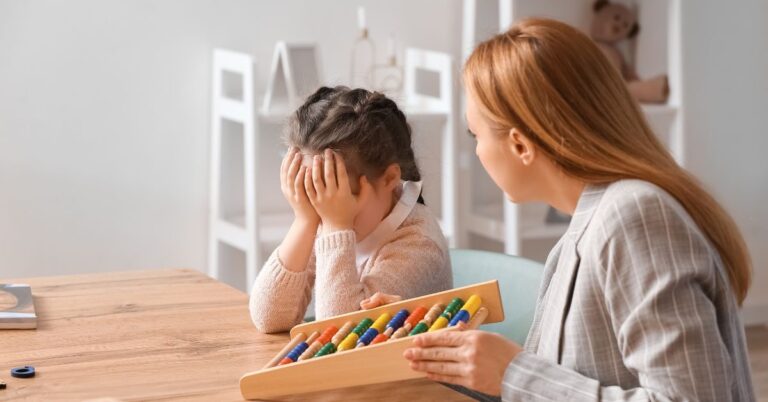
Your child’s first session is typically about building rapport. It may not include structured teaching right off the bat. Getting to know your child is the priority.
An ABA session typically includes:
- Fun and play based activities that are motivating and encouraging
- Observations by the therapist (typically and RBT or Registered Behavior Technician)
- Guidance and oversight from a Board Certified Analyst (BCBA)
- Skill building focused on communication, daily routines, social interaction, and much more
At Ujala Life, we focus on culturally respectful, individualized care. Sessions may take place in your home, your child’s school, or a community setting, wherever your child can thrive.
Preparing Your Child
You don’t need to explain every detail, but preparing your child may help to ease the transition.
- Use simple language: “Someone is coming to play and help you learn.”
- Establish routines: A consistent session time or countdown can provide predictability.
- Reassure them: Your calm presence can make a big difference.
Every child adjusts on their own timeline. The first few sessions can cause some hesitation, and that is normal and okay.
Setting Up the Environment
For in-home sessions, a calm and focused environment can help your child to feel safe and ready to learn:
- Choose a quiet area with minimal distractions.
- Keep favorite toys, snacks, or comfort items nearby if they are part of the session plans.
- If siblings are home, try to set up an activity for them elsewhere.
Our team will help to guide you on what materials are needed or what setup may work best for your child.
What to Share With Your Therapist
You know your child best. Your insights are essential to shaping effective care. During the first session or before you should share:
- What makes your child smile or feel safe
- Any fears, sensitivities, or triggers to be aware of
- Sleep, eating habits, routines, and recent changes
- Family or cultural practices that are important to you
At Ujala Life, we are committed to culturally sensitive, family centered care. We listen with empathy and respect.
Your Role in the Session
Your involvement has an impact on how well the session flows. Depending on the goals set for your child and the structure within the session, your therapist may ask you to:
- Observe and learn techniques
- Participate in activities
- Step out briefly to allow the therapist and child to bond
Ask questions, take notes, you are a major part of the team.
Taking Care of Yourself, Too
It’s natural to have big hope for each session, but it is important to remember:
- Progress takes time, celebrate even the small steps
- Your presence and support already make a huge difference
- You don’t need to be perfect, just engaged and open
At Ujala Life, we support not just the child, but the whole family. You are not alone in any part of this process.
After the Session: What Comes Next?
After the first ABA session:
- Chat with your therapist about what went well and what to expect next.
- Follow any recommendations (such as trying a new routine or practicing a skill).
- Keep communication open, your feedback helps us tailor support even further.
You can also explore Ujala Life’s blog, resources, and social media for continued guidance and inspiration.
Final Thoughts
Starting ABA therapy is a big step, and we’re honored to be part of your journey. At Ujala Life, our mission is rooted in trust, compassion, and cultural understanding. Together, we can create meaningful growth, joyful moments, and empowered futures—for your child, and for your whole family.