The “Cure” for Autism: Why Understanding, Not Erasing, is the Real Goal
Receiving any diagnosis can be stressful for families. With autism it can also bring some uncertainty. It is natural to want answers, and this can bring up the idea of a “cure”. The truth is: autism isn’t something to be cured, rather a way of being.
At Ujala Life, we believe that real progress comes from understanding, supporting, and celebrating each child’s unique potential, instead of trying to erase autism.
What Autism Really Is
Autism is a neurodevelopmental condition that affects how individuals communicate, learn, and interact with others. Each person on the spectrum experiences autism differently. Some may need more support in areas, while others have strength in creativity, memory, or even problem-solving.
Instead of viewing autism as something “wrong”, it’s more accurate to view it as part of human neurodiversity. Differences are natural when it comes to brain processes and responding to information.
Why the Idea of a “Cure” Can Be Harmful
When parents hear the word “cure” it can send a message that their child is “broken” or “needs to be fixed”. Autistic individuals are not broken. This thinking can create pressure or unrealistic expectations for parents and children. This shifts focus away from acceptance and towards expectations that are unattainable.
Chasing the idea of a remedy, the real goal can be overlooked. The real goal is to help children thrive by giving them tools and confidence they need to succeed in their own way. Autism isn’t an illness, it’s a different developmental path, and every child deserves to be supported wherever they are on the journey. Understanding and respect go a long way.
What Families and Therapists Can Focus On Instead
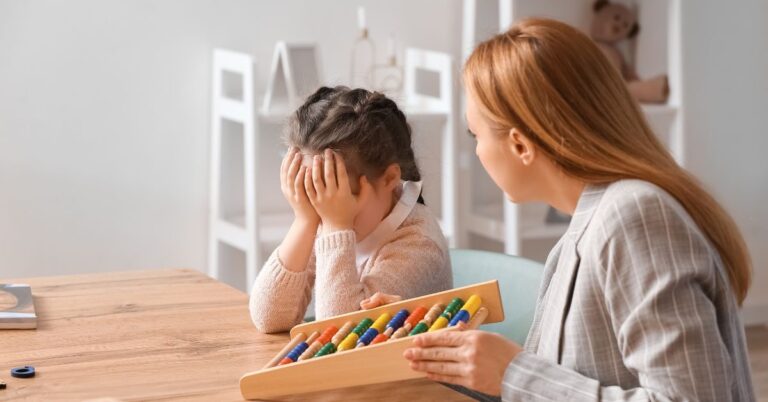
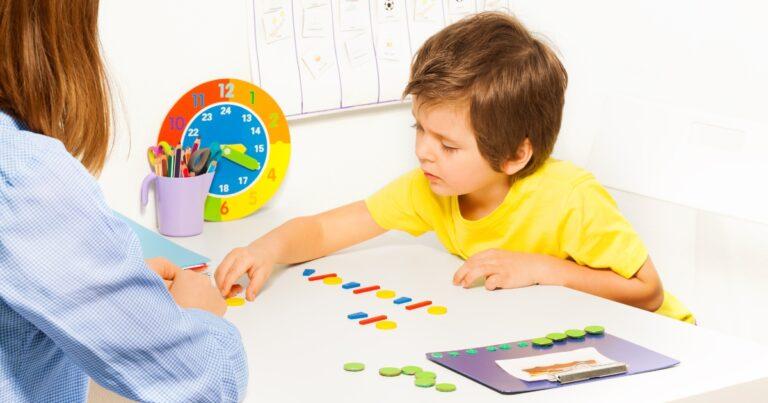
Families can focus on helping their child grow, learn, and connect with the world around them, instead of searching for a cure. Evidence-based approaches like Applied Behavior Analysis (ABA) therapy can help in the growth journey. This therapy can help with building communication, social, and daily living skills.
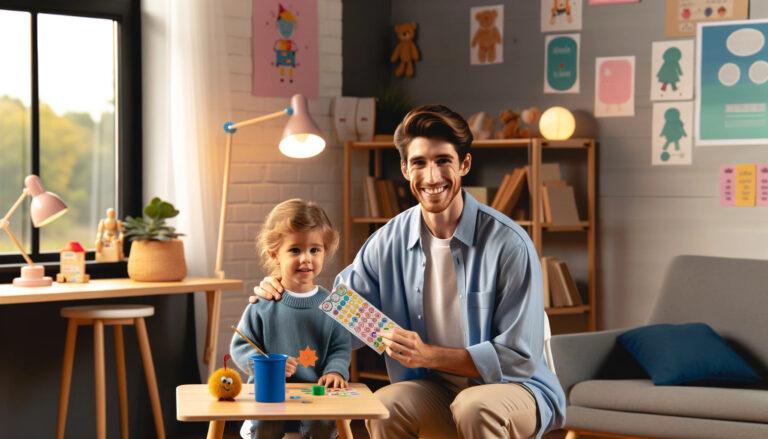
The goal of therapy is never to change who a child or individual is, it’s to help them reach their highest potential. Through consistency, play, and positive reinforcement, children can gain independence, confidence, and joy in their daily lives.
Just as importantly, families need support too. Learning how to communicate, celebrate small victories, and manage challenges that may occur along the way, can make a big difference in everyone’s well being. ABA therapy helps provide these tools to not only the child but everyone involved.
Stories of Growth, Not Cure
We’ve seen countless stories of progress; a child saying their first words, learning to share, or even feeling comfortable in an unknown environment. Moments like these are not signs of being “cured”. These moments are signs of growth, connection, and empowerment.
Each milestone represents the strength of the child and the family support system behind them. Each child will have their own timeline of progress, and that’s exactly how it should be.
The Role of Acceptance in True Progress
Acceptance doesn’t mean giving up on the idea of growth. It simply means embracing your child as they are and supporting them as they learn new skills. When children feel accepted, they’re more likely to explore, take risks, and build confidence, overall helping them with their progress.
Communities that welcome neurodiversity help create a world where every child has the chance to thrive. Understanding and inclusion open doors that no “cure” ever could.
Changing the Conversation
There is no “cure” for autism, and frankly there doesn’t need to be. The real work lies in understanding, supporting, and empowering every individual to grow as their authentic self.
At Ujala Life, we’re here to guide families with science, compassion, and hope. Together, we can shift the conversation from seeking a cure to celebrating progress, one child, one family, one step at a time.