The Hidden Strengths Behind “Challenging” Behaviors
At Ujala Life, we often hear parents describe their child’s behaviors as challenging, difficult, or concerning. While these experiences can be exhausting and emotional, behaviors are never random, they are meaningful. When we pause and look beneath the surface, we often find strengths, unmet needs, and powerful skills trying to emerge.
Understanding behaviors through a strength-based lens can shift how we support children, reduce stress for families, and create more compassionate environments for growth.
Behavior is Communication
One of the core principles in Applied Behavior Analysis (ABA) is that all behavior serves a function. Children use behavior to communicate when they don’t yet have the skills, language, or regulation needed to express themselves effectively.
What may look like “misbehavior” is often a child saying:
- “This is too hard.”
- “I need help.”
- “I’m overwhelmed.”
- “I want connection.”
When we interpret behavior as communication, we move from asking “How do we stop this?” to “What is my child trying to tell me?”
Common “Challenging” Behaviors, and the Strengths Behind Them
Tantrums and Emotional Outbursts
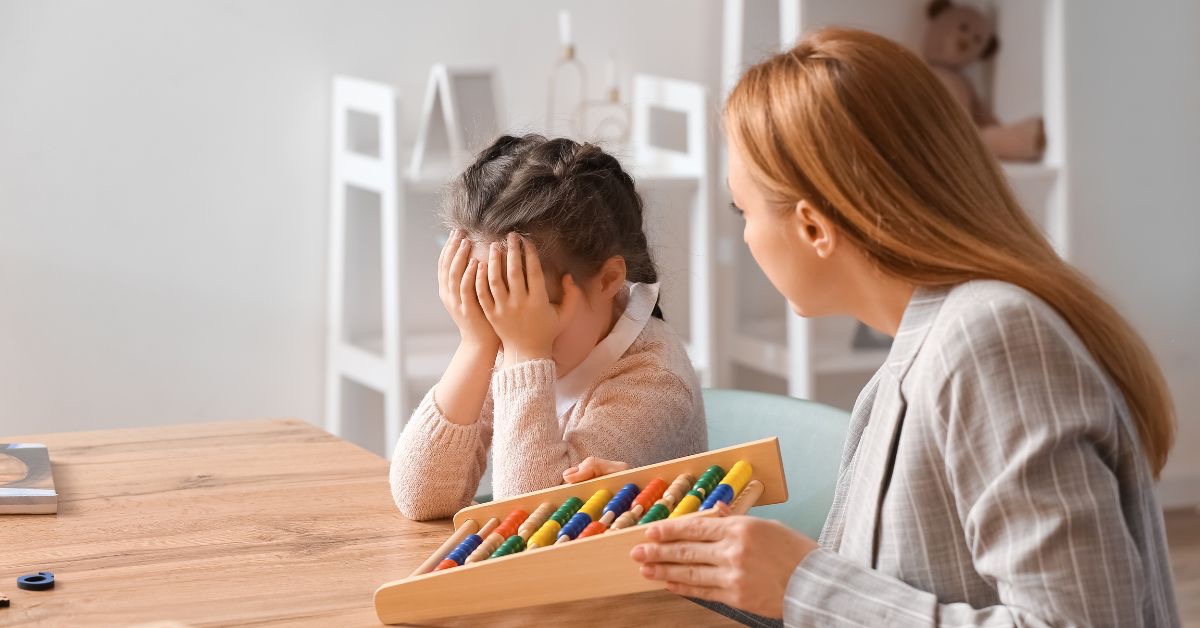
What it looks like: Crying, yelling, dropping to the floor, or hitting when upset.
Hidden strengths:
- Strong emotional expression
- Deep feelings and passion
- A desire to be understood
What it may mean: Your child feels big emotions but hasn’t yet developed the skills to regulate or communicate them. With support, these children often grow into individuals who are emotionally aware, empathetic, and expressive.
Refusal or Noncompliance
What it looks like: Saying “no”, ignoring instructions, or avoiding tasks.
Hidden strengths:
- Independence
- Strong sense of autonomy
- Ability to advocate for themselves
What it may mean: Your child may feel a lack of control, the task may be too difficult, or the demand may be overwhelming. Teaching choice-making and functional communication helps turn this strength into healthy self-advocacy.
Rigidity and Difficulty With Transitions
What it looks like: Insisting on routines, distress with changes, or becoming upset when plans shift.
Hidden strengths:
- Strong memory
- Attention to detail
- Preference for structure and predictability
What it may mean: Your child feels safe with routines. These children often thrive when expectations are clear and may grow into individuals who excel in organization, planning, and consistency.
Sensory-Seeking or Sensory-AVoiding Behaviors
What it looks like: Spinning, jumping, covering ears, avoiding textures, or seeking pressure.
Hidden strengths:
- Heightened sensory awareness
- Strong connection to their body
- Ability to recognize discomfort
What it may mean: Your child’s nervous system is processing the world differently. With appropriate sensory support, this awareness can become a strength in creativity, movement, or problem-solving.
Repetitive Behaviors or Fixations
What it looks like: Lining up toys, repeating phrases, or intense interests.
Hidden strengths:
- Focus
- Persistence
- Deep curiosity
What it may mean: These behaviors can be calming and regulating. Over time, these focused interests often translate into advanced knowledge, expertise, and passion-driven learning.
Why a Strength-Based Approach Matters
When children are constantly corrected or punished for behaviors they cannot yet control, it can impact their confidence and emotional well-being. A strength-based approach:
- Builds trust between children and caregivers
- Encourages skill development instead of suppression
- Reduces power struggles
- Supports long-term emotional growth
Rather than eliminating behaviors, ABA focuses on teaching replacement skills, communication, coping strategies, flexibility, and self-regulation, while honoring the child’s individuality.
How Parents and Caregivers Can Shift Their Perspective
Here are a few practical ways to being seeing behaviors differently:
- Pausing before reacting. Ask yourself what your child might be communicating.
- Observe patterns. When and where does the behavior happen?
- Validate emotions first. Connection often comes before correction.
- Teach skills proactively. Practice coping and communication during calm moments.
- Celebrate effort, not perfection. Growth takes time.
Final Thoughts
Challenging behaviors are not a sign of failure, they are a sign that a child needs support, understanding, and skill-building. When we look deeper, we often find resilience, sensitivity, determination, and incredible potential.
At Ujala Life, we believe every child’s behavior tells a story. By listening closely and responding with compassion, we help children turn challenges into strengths, and help families feel empowered along the way.
If you’d like support understanding your child’s behavior or learning strategies that work for your family, our team is here to help.