
Tips for the Holiday Season & Gatherings for Children with Autism
The holiday season brings joy but with that can also bring stress, new routines, sensory demands, and social expectations. This can be hard for children that have autism. Certain expectations and gatherings can cause upset in children’s routines. Preparation and support can help make these gatherings more comfortable. The holiday season can be stressful and full of pressure, but parents should not feel overwhelmed and should instead feel empowered to focus on their child’s needs.
Understanding Holiday Stressors for Autistic Children
There are few different stressors that can affect children with autism during the holiday season.
- Changes in routine: This can include school closures, travel, and new schedules that need to be followed.
- Sensory overload: Large gatherings bring crowds, lights, music, smells, and decorations.
- Social expectations: This could include more greetings, conversations, and unstructured play.
- Unpredictability: Visitors, traditions, and transitions that are out of the normal.
All of these different aspects can bring stress and unease for children.
Tip 1: Prepare Your Child with Predictability
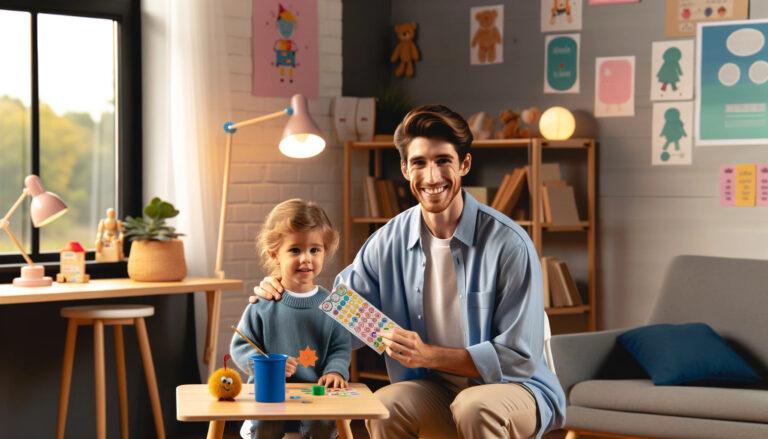
Preparation is the key to a smooth transition during the holiday season and gatherings. One way to prepare your child is to use visual schedules or “holiday calendars”. Being able to see the schedule will help. You can also show pictures of relatives, places, or decorations ahead of time to familiarize your child with who and what they will see. Walking your child through the event step-by-step, such as greeting guests, eating, opening gifts, or taking a break, may help as well. Predictability reduces anxiety and increases overall confidence.
Tip 2: Practice Social Expectations
Holiday gatherings can involve more social demands than usual. Helping your child practice can make these moments easier. Role-play greetings, such as waving, saying hello, or giving a high-five. You can also practice gift-exchange etiquette. Teaching simple scripts (“Can I take a break?” “No thank you”) can give your child an out when needed. Giving non-verbal alternatives such as waving or smiling can also encourage your child to engage on their own terms.
Tip 3: Create Sensory-Safe Spaces
Having a “calm corner” available makes a huge difference. You can bring sensory supports such as noise canceling headphones, sunglasses, fidgets, chewable jewelry, weighted items, or even preferred snacks. Use sensory breaks proactively, rather than reactively. Brief moments away from stimulation can help prevent overwhelm. Having the items they are used to will help them to regulate and not feel overly stressed.
Tip 4: Keep Routines Where You Can
Even small pieces of routine can provide comfort. Maintain consistent sleep times, meal, screen-time, and calming rituals when possible. If traveling, re-create familiar routines, morning songs, bedtime stories, or preferred foods. Keep transitions predictable by sticking to routines your child already knows. These familiar anchors help children manage all the newness.
Tip 5: Build in Choice and Flexibility
Children with autism often feel more regulated when they have control. Offer structured choices: “Do you want to help decorate cookies or read a book?” or “Do you want to sit at the big table or the kids’ table?”. Give your child the option to opt in rather than be expected to join every activity. Allowing for partial participation and flexibility helps reduce pressure and increases engagement.
Tip 6: Pre-Plan Transitions
Transitions during gatherings can be some of the hardest parts. Use timers, countdowns, or visual cues to signal upcoming changes. Create a simple transition plan, such as “5 minutes until presents,” “First dinner, then play”, or “when the song ends, we will put on coats. For leaving events, prepare ahead of time with a visual countdown or a favorite activity waiting in the car. Smooth transitions equals fewer meltdowns and more enjoyable experiences for everyone.
Tip 7: Prepare Family & Hosts Ahead of Time
Setting expectations helps relatives support your child effectively. Let hosts know about your child’s sensory needs, preferred communication methods, or safety concerns. Explain what accommodations help your child participate successfully. Remind families that behavior is communication, and your child may express emotions differently. Educating your circle builds understanding and creates a more inclusive environment.
Tip 8: Prioritize Your Child’s Comfort Over Traditions
You are not required to follow every tradition or attend every event. Your child’s emotional well-being comes first. It’s okay to leave early, skip activities, celebrate differently, or opt for smaller gatherings. You can modify traditions, for example, opening gifts one at a time, having a quiet dinner at home, or celebrating over several small moments instead of one big event. Give yourself permission to do what works for your child and your family.
Tip 9: Celebrate Your Child’s Strengths
Holidays are an opportunity to highlight what brings your child joy. Lean into special interests, unique traditions, or sensory-friendly activities. Celebrate in ways that feel authentic to your child, whether that’s baking, quiet lights, favorite music, or one-on-one time. Help your child feel valued by designing holiday moments around what they love, not what tradition dictates.
Conclusion
The holiday season doesn’t have to be overwhelming. With preparation, communication, and flexibility, families can create celebrations that feel safe, joyful, and meaningful for children with autism. Every child deserves a holiday experience that respects their needs, and every family deserves the space to celebrate in whatever way feels best for them.
Ujala Life wants to wish everyone a happy holiday season!