Understanding the Function of Behavior: Turning Tantrums into Powerful Teaching Moments
The function of behavior is an important aspect of ABA therapy. Each and every behavior can tell its own story. This could be a joyful laugh, a sudden outburst, or quiet withdrawal. Both our actions and our children’s actions communicate something important.
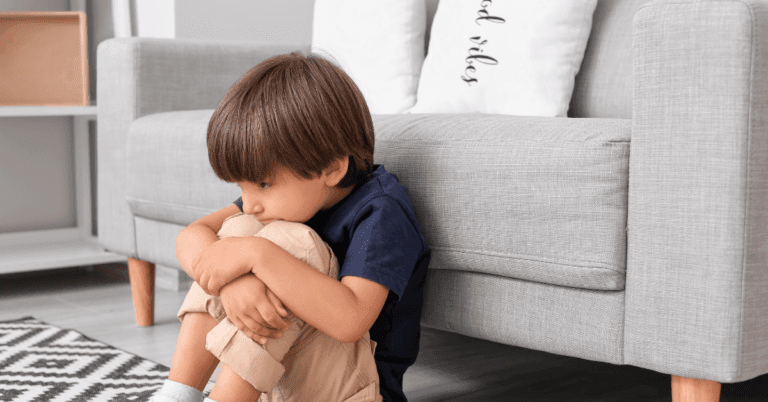
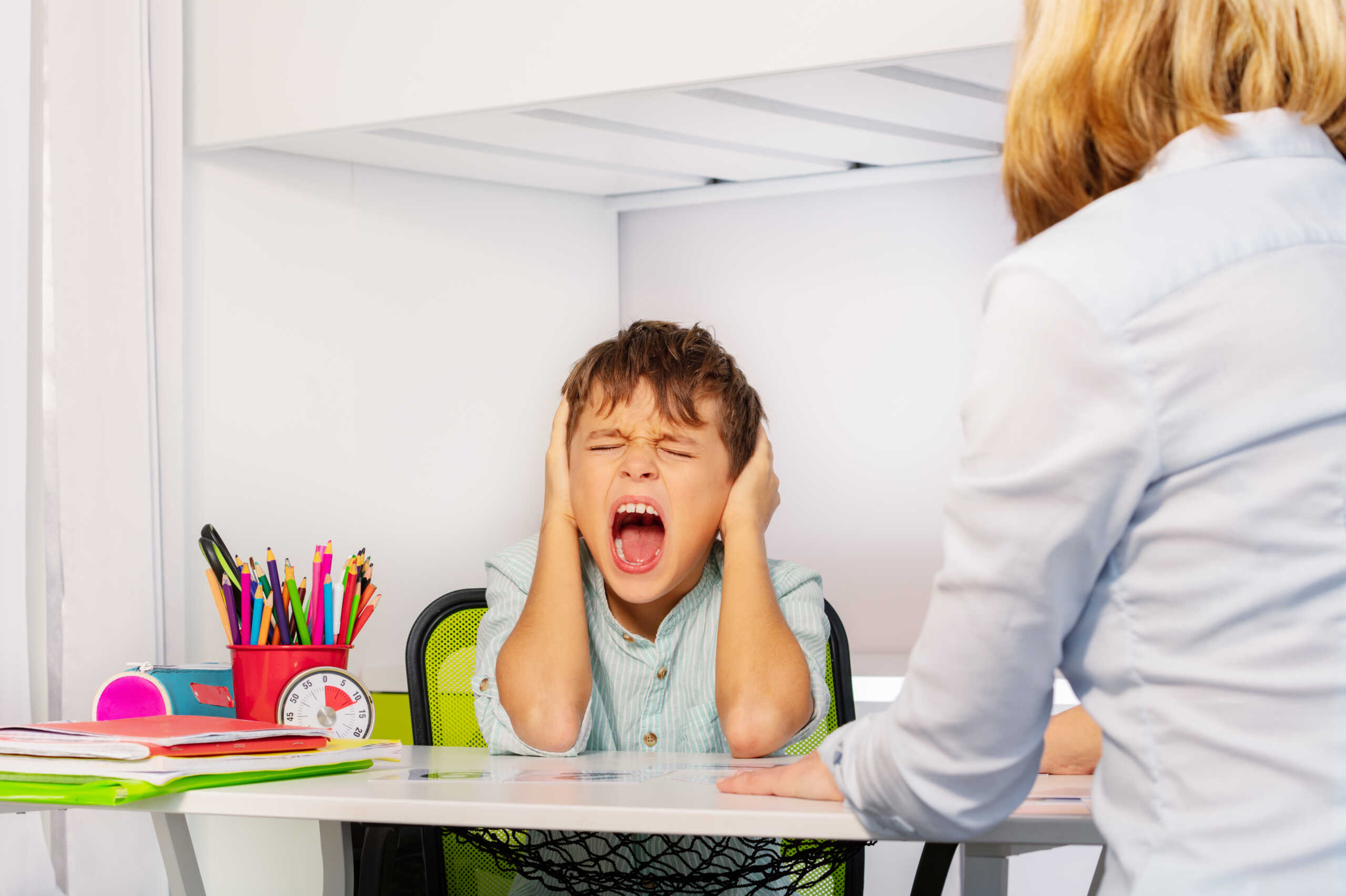
When a child has a tantrum, refuses to follow directions, or does something unexpected, it can be hard to not immediately react. In Applied Behavior Analysis (ABA), we look at behavior through a different lens. Instead of asking, “How do I stop this?” we ask, “What is my child trying to tell me?”
At Ujala Life, we believe that every behavior, no matter how challenging, is a form of communication. Understanding the function of that behavior opens the door to real growth, deeper connection, and lasting change.
Why Children Behave the Way They Do
Behavior always has a purpose. Even the random or “misbehaving”, it’s often the child’s way to get a need met. In ABA, we look at the four main function of behavior aspects to understand why it happens.
- Attention
Children often seek interaction, whether it’s praise, a reaction, or simple acknowledgment. A child might shout during class or tug on a parent’s sleeve, not because they want to cause trouble, but because they want to connect. When attention is the goal, even negative attention, can reinforce the behavior, because to a child, attention is attention.
- Escape or Avoidance
Sometimes, behaviors are a way to get away from something hard, confusing, or overwhelming. This could mean leaving a noisy room, avoiding a difficult task, or even expressing discomfort with a new environment. For example, a child might throw a tantrum before homework time, not out of defiance, but because they feel frustrated or unsure.
- Access to Tangibles
Children may engage in certain behaviors to gain access to something they want, a favorite toy, snack, or activity. If crying or yelling leads to getting that item, even once, the child learns that this strategy “works”.
- Sensory or Automatic
Some behaviors happen because they feel good to the child or help them self-regulate. Rocking, spinning, or hand-flapping are examples of sensory behaviors that may help a child feel calm or focused. These actions aren’t “bad” or “wrong”, they are a natural way of experiencing the world.
Seeing Behavior as Communication
Once we understand that behavior is a form of communication, our perspective changes. A tantrum isn’t just a disruption, it’s a message. A refusal isn’t defiance, it’s discomfort. A repetitive movement isn’t meaningless, it’s self-soothing.
By shifting our mindset from focusing on stopping behaviors to understanding them, we create space for compassion. This understanding is what transforms moments of frustration into meaningful opportunities to teach, guide, and connect.
Turning Challenges Into Learning Opportunities
When we know why a behavior happens, we can respond with empathy and intention. Instead of reacting to the behavior itself, we can teach a positive, more effective skill to replace it.
For example:
- A child who screams for attention can learn to tap a caregiver’s arm or use words like “look at me!”
- A child who throws toys when frustrated can learn to ask for help or request a break.
- A child who runs away from a task can learn to say “all done” or use a visual cue to take a moment to regroup.
These small but powerful skills give children the tools they need to communicate their needs more clearly, and that’s where real progress begins.
How ABA Supports Understanding and Growth
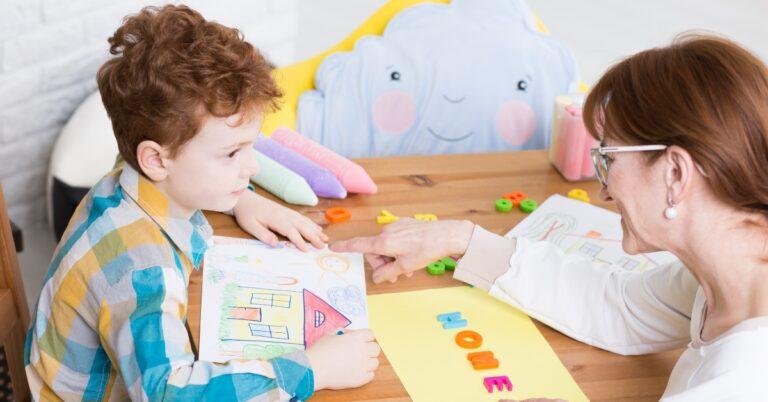
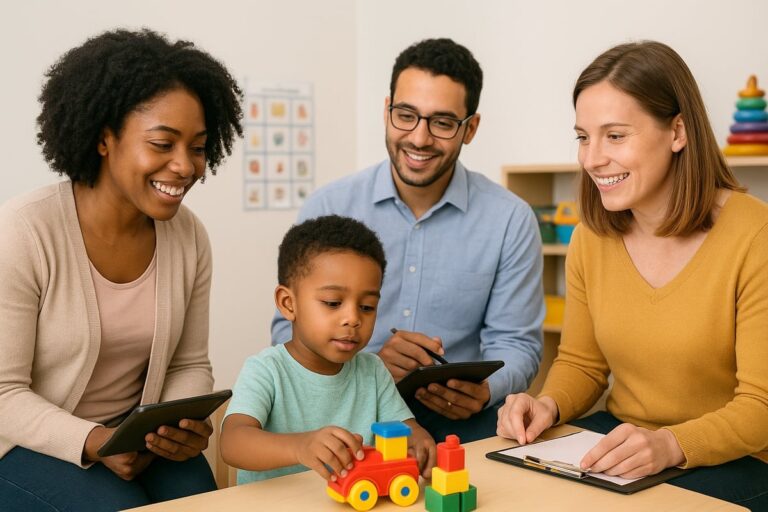
At Ujala Life, our Board Certified Behavior Analysts (BCBAs) and therapists work closely with each child to uncover the why behind their behavior. Using evidence-based assessments and observations, we:
- Identify behavior patterns and triggers
- Understand the environment surrounding each behavior
- Determine the function, what the child is getting or avoiding through that behavior
- Create individualized strategies to teach new, positive behaviors that meet the same needs in healthier ways
The focus is never on “fixing” a child, it’s on supporting them. By addressing the function of behavior, we build a foundation for communication, independence, and confidence.
The Power of Empathy and Consistency
Change doesn’t happen overnight, and that’s okay. Behavior is learned, and new skills take time to grow. What matters most is consistency and compassion.
When caregivers, teachers, and therapists work together, using the same strategies and reinforcing positive behaviors, children begin to feel understood and supported. That sense of safety allows them to take risks, try new skills, and trust the learning process.
From Frustration to Growth
Every tantrum, meltdown, or challenging behavior has a reason behind it. When we approach those moments with patience instead of punishment, curiosity instead of criticism, we open the door to transformation.
At Ujala Life, we turn those tough moments into teaching moments, helping children build skills they need to express themselves, navigate their world, and thrive.
Because when we truly understand the function of behavior, we’re not just changing actions. We’re changing lives.