Emphasize Your Child’s Growth: A Parent’s Guide to Behavior Intervention Plans
At Ujala Life, we understand that parenting a child with unique needs can be both rewarding and challenging. When behaviors start to impact learning, relationships, or daily routines, it can leave families feeling unsure about the next step. That’s where a Behavior Intervention Plan (BIP) comes in, not as a label, but as a personalized guide designed to help your child succeed.
A BIP looks beyond the behavior itself to understand why it’s happening, and then builds a path toward positive change. In this guide, we’ll walk you through what a BIP is, when it’s needed, and how you can play a key role in making it effective, so you can feel confident and supported every step of the way.
What Is a Behavior Intervention Plan?
A Behavior Intervention Plan is a written, individualized plan that outlines strategies to address specific challenging behaviors in a positive and proactive way. It’s not just a list of rules or consequences, it’s a detailed roadmap for helping your child replace challenging behaviors with more helpful ones. The goal is to understand why a behavior is happening and then teach alternative skills that meet the same need in a healthier way.
When Is a BIP Needed?
A BIP might be recommended if:
- Your child’s behavior is interfering with learning or social interactions.
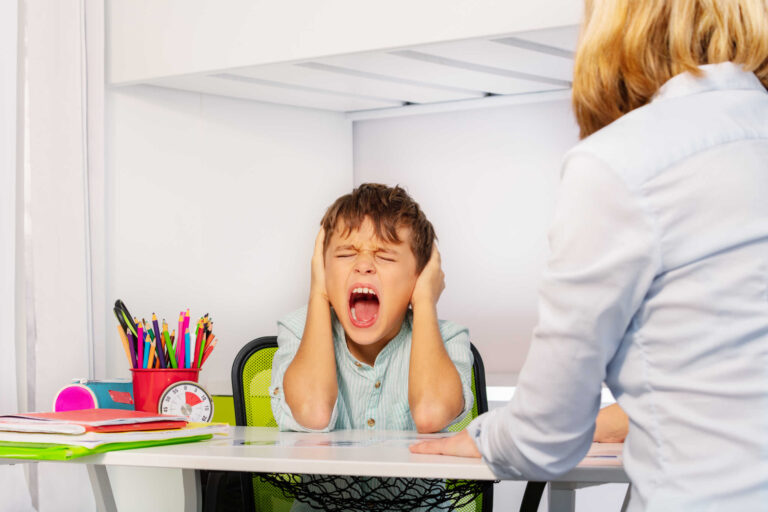
- They show repeated patterns of aggression, self-injury, property destruction, or severe disruptions.
- Other general strategies haven’t been effective.
Before creating a BIP, professionals typically conduct a Functional Behavior Assessment (FBA), a process that collects data and observations to identify the “why” behind the behavior. This ensures the plan addresses the real cause, not just the surface symptoms.
Key Components of a BIP
A well-designed BIP usually includes:
- Target Behavior – The specific behavior that the plan is designed to address, described clearly and objectively.
- Function of the Behavior – Understanding the purpose the behavior serves for the child. Examples: seeking attention, avoiding a task, or accessing a favorite item.
- Prevention Strategies – Adjustments to the environment or routine to reduce triggers.
- Replacement Skills – Teaching the child a new, more appropriate behavior to meet the same need.
- Response Strategies – How teachers, parents, and staff should respond when the target behavior happens.
- Reinforcement – Ways to reward the child for using the new skill or making progress.
Who Creates and Implements the BIP?
A BIP is usually developed by a team that may include:
- Board Certified Behavior Analysts (BCBAs) or other behavior specialists
- Teachers or school psychologists
- Therapists
- Parents or caregivers
Your role as a parent is vital, you know your child best. Your input on what works at home, what triggers behaviors,a nd what motivates your child can make the BIP much more effective.
How Parents Can Support a BIP at Home
- Be consistent – Try to follow the same strategies and reinforcement methods at home that are used at school or therapy.
- Communicate often – Stay in touch with your child’s team to share updates and ask questions.
- Track progress – Keep notes on when and where behaviors happen, and any positive changes you notice.
- Celebrate small wins – Progress may be slow at first, but every step forward matters.
Common Myths About BIPs
- Myth: “it’s just a list of punishments.”
Reality: A good BIP focuses on teaching and reinforcing positive behaviors, not punishing negative behaviors.
- Myth: “It means my child is in trouble.”
Reality: A BIP is a support plan, it’s about helping your child succeed, not labeling them as “bad.”
- Myth: “BIPs are only for extreme cases.”
Reality: A BIP can be useful even for less severe behaviors, especially if they’re affecting learning or relationships.
Measuring Success
A Behavior Intervention Plan is a living document, it’s updated as your child grows and makes progress. Success is measured by data collected over time, such as fewer problem behaviors, more use of replacement skills, and improved participation in school or daily activities. Remember, behavior change takes time and patience.
Conclusion and Encouragement
At Ujala Life, we see a Behavior Intervention Plan as more than a document — it’s a bridge between where a child is today and the progress they’re capable of tomorrow. With compassion, consistency, and the right strategies, challenging behaviors can be transformed into opportunities for growth and learning.
When families, educators, and therapists work together, children don’t just gain new skills, they gain confidence, independence, and the tools they need to navigate the world. As a parent, your insight and advocacy are essential to making a Behavior Intervention Plan successful. Together, we can help your child shine, one small step at a time.