
Applied Behavior Autism Guide: Strategies and Insights 2026
In 2026, families, caregivers, and professionals are navigating a changing world of support for those with autism. With so many options and new research, it can be overwhelming to know which applied behavior autism strategies truly make a difference. This guide brings you the latest evidence-based practices, expert insights, and practical steps for success. You’ll discover ABA fundamentals, innovative approaches, how therapies work together, the impact of technology, and the vital role of family. Whether you’re seeking hope, clarity, or next steps, this essential resource will help you confidently support your loved one’s journey.
Understanding Applied Behavior Analysis (ABA) in Autism
Applied behavior autism interventions are grounded in the science of how people learn and behave. At its core, Applied Behavior Analysis (ABA) is a structured approach that helps children and adults with autism develop meaningful skills. ABA focuses on understanding the relationship between an individual's actions and the environment, using proven methods to teach new skills and reduce behaviors that might get in the way of learning.
The main principles behind ABA include positive reinforcement and the ABC model. Positive reinforcement means rewarding desired behaviors to encourage them to happen again. For example, if a child says "hello" when greeted, they might earn praise or a favorite toy. The Antecedent-Behavior-Consequence (ABC) model breaks behavior down into what happens before, the behavior itself, and what follows. By analyzing these steps, therapists can spot patterns and tailor strategies for applied behavior autism.
ABA has a long history, dating back to the 1960s, and is often called the gold standard for autism intervention. Over the years, ABA has evolved, becoming more flexible and responsive to each individual's needs. Research consistently shows that ABA can improve language, communication, and social skills. According to a recent meta-analysis of ABA interventions for autism, children who participate in ABA programs often see significant progress in adaptive behaviors and a reduction in challenging actions.
There are some misconceptions about ABA, such as the belief that it is overly rigid or one-size-fits-all. In reality, applied behavior autism strategies are highly personalized. Board Certified Behavior Analysts (BCBAs) work closely with families to design and oversee individualized programs. ABA sessions can look very different from one person to another, reflecting each learner's culture, interests, and developmental stage. If you want to know more, this resource on common misconceptions about ABA offers helpful clarity. ABA is not just a method, it is a compassionate, evidence-based approach that adapts to support every unique child and family.

Core ABA Strategies for Autism: Step-by-Step Guide
Navigating applied behavior autism strategies can feel overwhelming, but breaking them down step by step can make a world of difference. This guide will walk you through the core methods used by professionals to help children with autism thrive, ensuring every approach is tailored, evidence-based, and actionable for families.
Assessment and Goal Setting
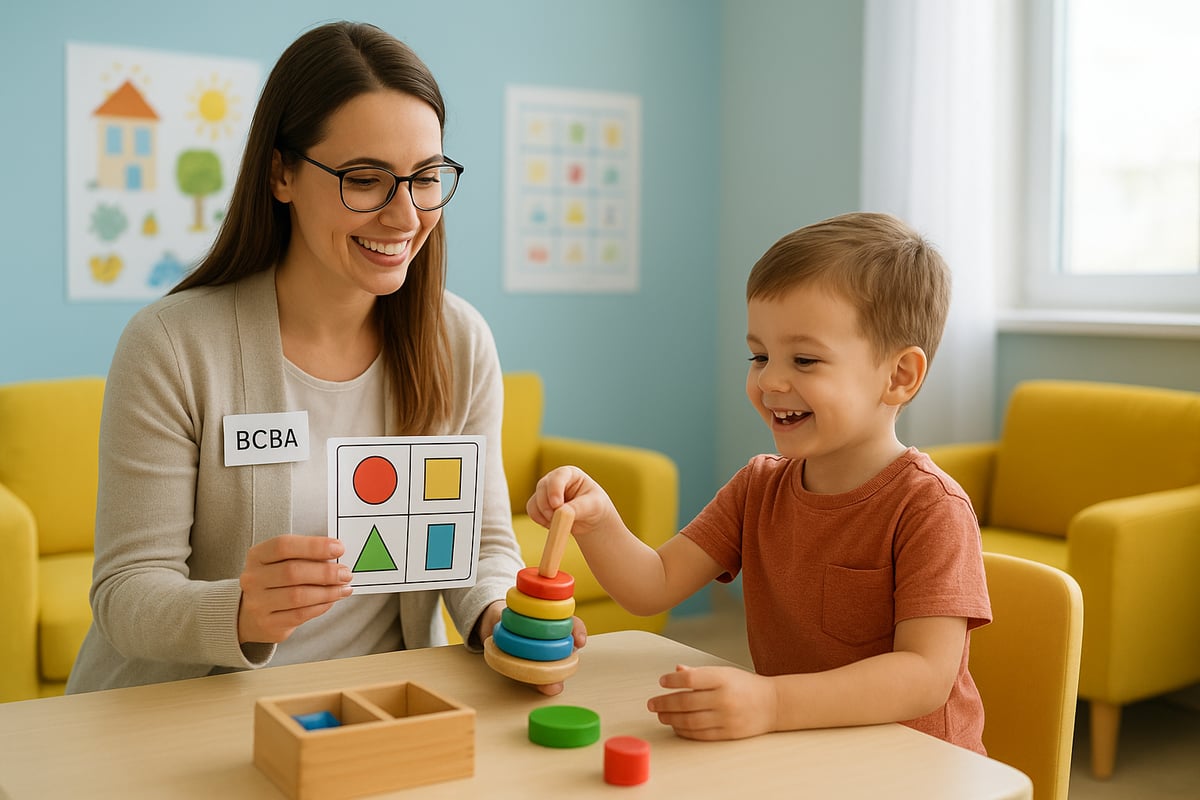
Every successful applied behavior autism program begins with a thorough assessment. A Board Certified Behavior Analyst (BCBA) observes the child, gathers input from the family, and evaluates current skills, interests, and challenges. This process ensures that interventions are uniquely suited to each child’s developmental stage and cultural background.
Once the assessment is complete, the BCBA collaborates with families to set clear, measurable goals. These goals might focus on areas like improving social greetings, increasing communication, or building daily living skills. For example, a specific goal could be teaching a child to independently say “hello” when meeting someone new.
Cultural values and family routines are always considered, making sure the applied behavior autism plan fits naturally into daily life. Progress is monitored through regular data collection, and goals are adjusted as the child grows. For an in-depth look at how professionals structure and adapt sessions, see ABA session strategies and best practices.
Positive Reinforcement Techniques
At the heart of applied behavior autism strategies is positive reinforcement. This means encouraging desired behaviors by providing rewards that matter to the child. Rewards can be anything from verbal praise and high-fives to favorite toys, snacks, or special activities.
Choosing the right reinforcer requires understanding what motivates each child. For instance, if a child loves building blocks, earning time to play with blocks after completing a task can be a powerful incentive. Over time, this approach helps children connect positive actions with enjoyable outcomes, making them more likely to repeat those behaviors.
Research consistently shows that positive reinforcement is a cornerstone of ABA therapy. By focusing on strengths and celebrating successes, families and professionals create an encouraging environment where children with autism can flourish.
The ABC Model: Antecedent, Behavior, Consequence
The ABC model is a foundational tool in applied behavior autism programs. It helps everyone involved understand what happens before, during, and after a behavior. Antecedent refers to what triggers the behavior, behavior is the action itself, and consequence is what follows.
For example, a teacher might ask a child to clean up. If the child complies, the teacher offers praise or a preferred activity. If not, the teacher calmly redirects and tries again. By tracking these patterns, the team learns how to adjust triggers and consequences to promote positive change.
Data collection is key. Professionals analyze trends to identify what works best and which behaviors need more support. This model also guides the replacement of challenging behaviors with more appropriate alternatives, helping children navigate social and learning environments more smoothly.
Skill-Building and Generalization
Building functional skills is a major goal in applied behavior autism interventions. ABA focuses on teaching communication, social interaction, and self-care in ways that are practical and meaningful. Skills are taught using step-by-step prompts, visual supports, and hands-on practice.
Generalization is equally important. Children practice new skills not just in therapy, but at home, school, and in the community. For example, a child might learn to ask for help during a session, then practice the same skill at the grocery store or playground.
Strategies like prompt fading and naturalistic teaching ensure that new behaviors last over time. The ultimate aim is for children to use these skills independently, wherever they are, so they can participate fully in daily life.
Integrating ABA with Other Therapies: A Multidisciplinary Approach
Families navigating applied behavior autism often find that a single therapy cannot address every unique need. Instead, a multidisciplinary approach brings together different experts and strategies, creating a more holistic support system for each child. By weaving together the strengths of various therapies, children can make more meaningful progress in communication, daily living, and emotional well-being.

Speech and Occupational Therapy Integration
Combining speech and occupational therapy with applied behavior autism strategies creates a powerful synergy. Speech therapists focus on helping children express their needs and connect socially, while occupational therapists support self-care, fine motor skills, and sensory processing.
ABA professionals work closely with these therapists to set shared goals, such as improving turn-taking in conversation or mastering daily routines. For example, a child learning to ask for help with dressing can practice the skill using ABA reinforcement and sensory-friendly techniques from occupational therapy.
Collaboration allows for consistent strategies across sessions and settings. This team-based approach also helps identify when sensory needs may be influencing challenging behaviors. Integrating ABA with sensory interventions, as described in Integrating ABA with sensory needs, ensures children receive support tailored to their whole experience.
Families benefit from this comprehensive care model, as it addresses both communication and functional independence within the applied behavior autism framework.
Psychotherapy and Emotional Regulation
In applied behavior autism, emotional well-being is just as important as skill development. Integrating psychotherapy techniques into ABA can help children manage anxiety, frustration, and other big feelings that may impact learning.
Psychotherapists and ABA providers often work together to teach coping strategies, such as deep breathing or identifying emotions. These tools are practiced during ABA sessions and reinforced at home, making them more effective and easier to use in real situations.
For example, if a child feels overwhelmed by transitions, the team might develop a visual schedule and relaxation routine. This not only reduces distress but also builds confidence and resilience. Addressing emotional regulation within applied behavior autism sets the stage for lasting progress in all areas of life.
Case Example: Multidisciplinary Success Story
Consider a young child with applied behavior autism who struggled with both communication and self-care. Initially, he had difficulty expressing needs and handling sensory sensitivities during daily routines.
A multidisciplinary team, including a Board Certified Behavior Analyst, speech therapist, and occupational therapist, developed a coordinated plan. They set goals for requesting help, tolerating new textures, and participating in group activities. The ABA specialist used positive reinforcement, while the occupational therapist introduced sensory supports, and the speech therapist targeted functional language.
Over several months, the child made measurable gains—he began using words to ask for help, joined peers during play, and managed dressing routines with less distress. His parents noticed increased independence, better emotional regulation, and greater joy in daily life.
This success highlights the transformative power of combining expertise and compassion in applied behavior autism intervention.
Technological Innovations in ABA for Autism
Technology is transforming applied behavior autism strategies, making interventions more accessible, engaging, and data-driven than ever before. As the prevalence of autism continues to rise, with CDC reports autism prevalence at 1 in 31 children, families and professionals are turning to innovative digital solutions. These advancements are shaping the future of therapy, offering new hope and practical tools to support learning and growth.
Digital Tools and Mobile Applications
Digital tools are at the forefront of applied behavior autism therapy. Mobile applications provide interactive, game-like experiences that teach communication, daily living, and social skills. These apps are designed to adapt to each child’s unique learning profile, offering personalized exercises and immediate feedback.
Many ABA therapists use apps that track progress and reinforce positive behaviors. For example, visual schedule apps help children follow routines, while communication apps support those with limited verbal skills. Some popular tools include tablet-based games for social scenarios, prompting children to practice greetings and turn-taking.
Research shows that mobile applications boost engagement and skill acquisition in applied behavior autism. Apps can be tailored to individual interests, making learning fun and motivating. Families report that digital tools extend learning beyond therapy sessions, helping children generalize skills at home and in the community.
Virtual Reality and Simulated Environments
Virtual reality (VR) is revolutionizing applied behavior autism interventions by creating safe, controlled spaces for children to practice real-world skills. Through VR, therapists can simulate classrooms, playgrounds, or community settings, allowing gradual exposure to new experiences without overwhelming the child.
One key benefit of VR is its ability to break down complex social challenges into manageable steps. For instance, a child can rehearse introducing themselves in a virtual classroom before trying it in person. This approach reduces anxiety and builds confidence.
Systematic reviews highlight the effectiveness of VR for ASD, noting improvements in social interaction, flexibility, and coping strategies. While VR technology is becoming more accessible, it is important to consider each child’s sensory needs and ensure the tools are user-friendly. As VR continues to evolve, it promises to further enhance applied behavior autism strategies.
Artificial Intelligence and Data-Driven ABA
Artificial intelligence (AI) is making applied behavior autism therapy more precise and responsive. AI-powered systems collect and analyze behavioral data in real time, identifying patterns that inform individualized treatment plans.
With AI, therapists can automate data collection, monitor progress, and adjust interventions as needed. For example, automated behavioral analysis can highlight which strategies are most effective for a particular child, speeding up decision-making and optimizing outcomes.
Looking ahead, AI holds the potential for even more personalized applied behavior autism interventions. As technology advances, families and professionals can expect smarter tools that support continuous growth and better quality of life.
The Critical Role of Family and Caregiver Involvement
Families and caregivers are at the very heart of success in applied behavior autism interventions. Their daily involvement, understanding, and support can make a world of difference in a child’s progress. When families feel empowered and confident, children are more likely to thrive across all environments.
Family Training and Empowerment
Training and empowering caregivers is essential to the long-term success of any applied behavior autism program. Parents often spend the most time with their children, so learning to reinforce positive behaviors at home, in the community, and during daily routines is critical.
Through tailored programs and ongoing support, Board Certified Behavior Analysts (BCBAs) teach families how to use evidence-based strategies. This includes understanding reinforcement, prompting, and responding to challenging behaviors with confidence. Many centers offer ABA training for parents and caregivers, giving families practical tools and real-life scenarios to practice.
As families become more skilled, children benefit from consistency and opportunities to generalize new skills. Celebrating small wins together builds everyone’s confidence, making applied behavior autism strategies more sustainable and meaningful.
Collaboration Between Professionals and Families
Strong partnerships between therapists and families are the backbone of effective applied behavior autism interventions. Open communication ensures that everyone is working toward the same goals and can adjust strategies as a child grows.
Weekly or monthly meetings allow teams to review progress, share data, and brainstorm solutions together. Professionals listen to family insights, respecting cultural traditions and unique needs. This collaborative approach promotes trust and helps tailor interventions for the best possible outcome.
Research shows that children make the most progress when families are actively involved. By working as a team, both caregivers and professionals can celebrate milestones and overcome challenges, making applied behavior autism a true community effort.
Ujala Life: Center-Based Early Intervention ABA in New Jersey
Ujala Life offers a welcoming, center-based environment for families seeking applied behavior autism support in New Jersey. Their approach is naturalistic and play-based, meeting each child at their developmental and cultural level.
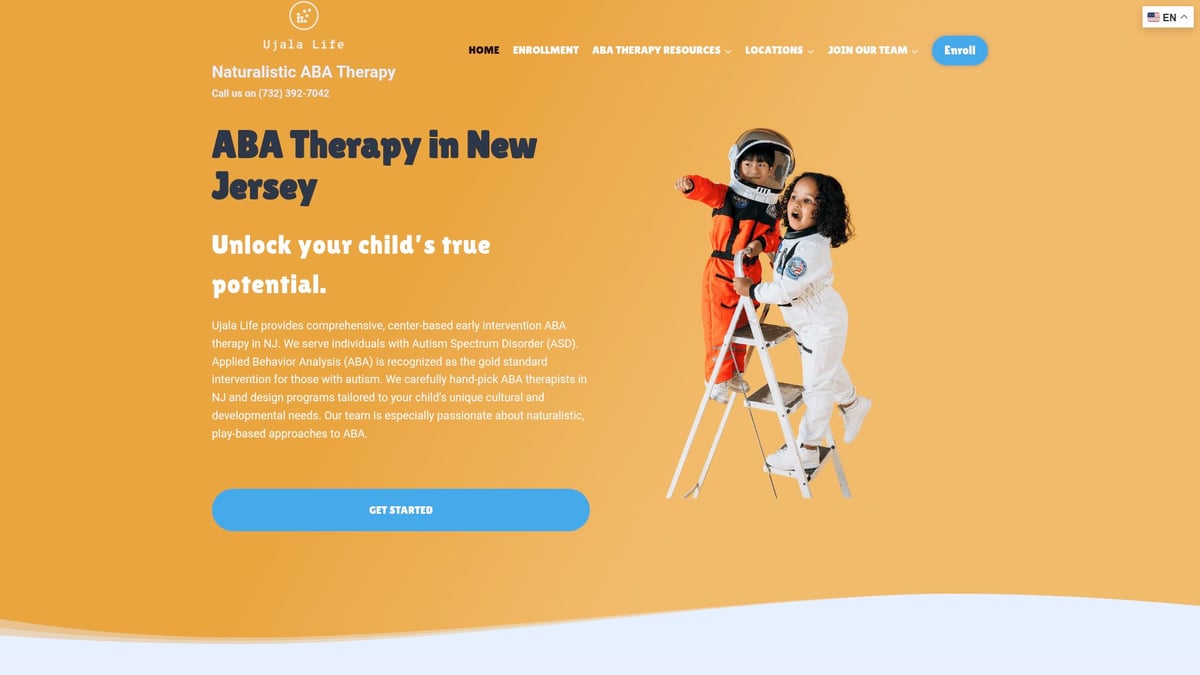
Services include one-on-one ABA sessions, multilingual therapist matching, and parent training, all designed to fit seamlessly into family life. Ujala Life helps families navigate insurance, making high-quality care accessible. With convenient locations, families can find support close to home.
By prioritizing family involvement and clear milestones, Ujala Life creates a nurturing space where children can build skills and confidence. Their commitment to individualized, community-based care makes a real difference for families navigating applied behavior autism.
Future Directions and Emerging Trends in Applied Behavior Autism Strategies
As we look toward the future of applied behavior autism support, families and professionals can expect transformative changes. The field is rapidly evolving, with a focus on personalization, early intervention, expanded access, and ethical practices. By staying informed about these trends, you can make empowered choices for your loved ones and clients.
Personalization and Cultural Sensitivity in ABA
One of the most significant shifts in applied behavior autism strategies is the movement toward highly individualized, culturally sensitive programs. Therapy is no longer one-size-fits-all. Instead, providers are adapting interventions to reflect each family's values, language, and traditions.
For example, therapists work closely with bilingual families to ensure communication goals are meaningful in both languages spoken at home. Some centers match therapists to children based on cultural background, which helps build trust and understanding. This approach not only improves engagement but also leads to better outcomes.
Recent models, like those used at Ujala Life, emphasize the importance of cultural and linguistic matching. By respecting family customs and beliefs, applied behavior autism programs become more relevant and effective. As society grows more diverse, expect continued growth in personalized, culturally responsive care.
Advances in Early Intervention
Research continues to highlight the critical impact of early, intensive applied behavior autism therapy. Starting intervention as soon as signs of autism are identified can lead to greater gains in language and adaptive skills. Pediatricians and educators are now focusing on earlier screenings, helping families access services sooner.
A comprehensive assessment guides the creation of customized treatment plans, setting the stage for measurable progress. Early intervention often includes parent training, allowing families to reinforce skills during daily routines. This collaborative approach fosters consistency and accelerates development.
Understanding how much therapy is optimal is also a growing area of interest. A study on ABA dosage and adaptive behavior outcomes explores how therapy hours relate to progress, helping professionals tailor plans for each child. With ongoing research and improved referral systems, early applied behavior autism intervention is becoming more accessible and effective.
Expanding Access and Equity in ABA Services
Despite significant advances, access to applied behavior autism services remains uneven. Barriers like geography, income, and insurance coverage can prevent families from receiving timely support. To address these disparities, providers are embracing innovative solutions.
Telehealth and virtual parent coaching are breaking down distance barriers, allowing families in rural or underserved areas to connect with specialists. Many organizations now offer community-based services, bringing therapy closer to where families live. Advocacy groups are also pushing for policy changes that expand insurance coverage and support for diverse populations.
A table below summarizes current innovations:
| Challenge | Solution |
|---|---|
| Distance to clinics | Telehealth, virtual sessions |
| Language barriers | Multilingual therapists |
| Financial constraints | Insurance advocacy |
As technology and policy evolve, expect applied behavior autism services to become more equitable and widely available.
Research, Ethics, and the Neurodiversity Movement
The future of applied behavior autism is shaped by ongoing research, ethical reflection, and the voices of autistic individuals themselves. New studies examine best practices, long-term outcomes, and the importance of consent and dignity in therapy. There is a growing call to move beyond simply reducing "problem behaviors" and instead focus on strengths, self-advocacy, and quality of life.
The neurodiversity movement emphasizes respecting the unique perspectives and preferences of autistic people. Providers are increasingly inviting feedback from self-advocates and families, adapting programs to be more person-centered. Exploring autistic individuals’ experiences with ABA therapy offers valuable insights into what works and what needs improvement.
Ethical applied behavior autism practices prioritize transparency, collaboration, and continuous improvement. As the field evolves, expect these values to guide both research and day-to-day therapy, ensuring that every individual receives respectful, empowering support.
If you’re feeling overwhelmed by all the choices and changes in autism intervention, you’re not alone—navigating what’s best for your child can be challenging. That’s why we’ve shared the latest strategies, from family involvement to technology and personalized, culturally sensitive care. If you’re ready to take the next step and want support that’s truly designed around your child’s strengths and your family’s needs, Ujala Life is here for you. Their play-based, compassionate approach in New Jersey could make all the difference. You can learn more or get started today by visiting Enroll.