Guide to Life Skills Autism Academy: Empowering 2026 Success
Imagine a future where every child with autism confidently navigates daily life, building independence and self-worth. Life skills are the foundation for this journey, shaping opportunities for learning, friendships, and success.
This guide explores how life skills autism academy supports children in mastering essential abilities for 2026 and beyond. Discover what makes the Academy’s approach unique, from personalized programs to meaningful family involvement.
You’ll learn about the building blocks of independence, inspiring success stories, and how families can play a vital role. Ready to empower your child’s future? Read on to see how lasting change begins today.
Understanding Life Skills for Autism: Foundations for Success
Helping children with autism build life skills is one of the surest ways to lay the foundation for independence. At the core, life skills are the everyday abilities that let us care for ourselves, connect with others, and thrive in our communities. For families considering the life skills autism academy, it’s important to understand how these skills shape a child’s journey toward lifelong success.
What Are Life Skills in Autism?
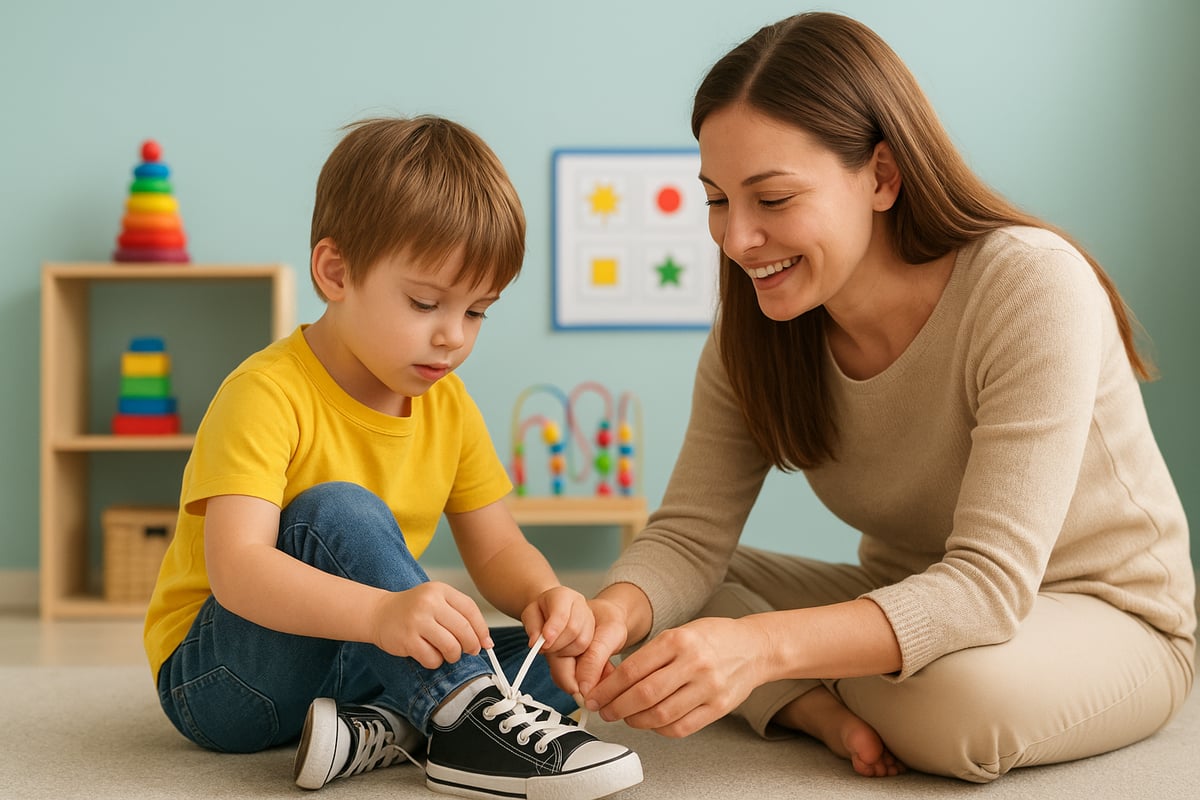
Life skills for children with autism include a broad range of abilities: self-care, communication, emotional regulation, and social interaction. These skills are essential for daily living, from getting dressed to asking for help or making a friend. For children on the autism spectrum, developing these skills can look different compared to their neurotypical peers.
The life skills autism academy focuses on helping each child reach their highest level of independence. Children with autism may face unique barriers, like difficulties in understanding social cues or managing sensory input. These challenges can make even simple tasks seem overwhelming, which is why specialized support is so important.
The Importance of Early Intervention
Early intervention is a game-changer for children with autism. Research shows that children who begin life skills training early make more progress in communication, socialization, and self-care. According to studies, those who participate in targeted life skills programs are more likely to achieve greater independence as adults.
Children who do not receive early support often face more significant struggles with daily routines and social participation. The life skills autism academy emphasizes the value of starting as soon as possible, giving children a head start on building confidence and essential abilities.
Evidence-Based Approaches for Building Life Skills
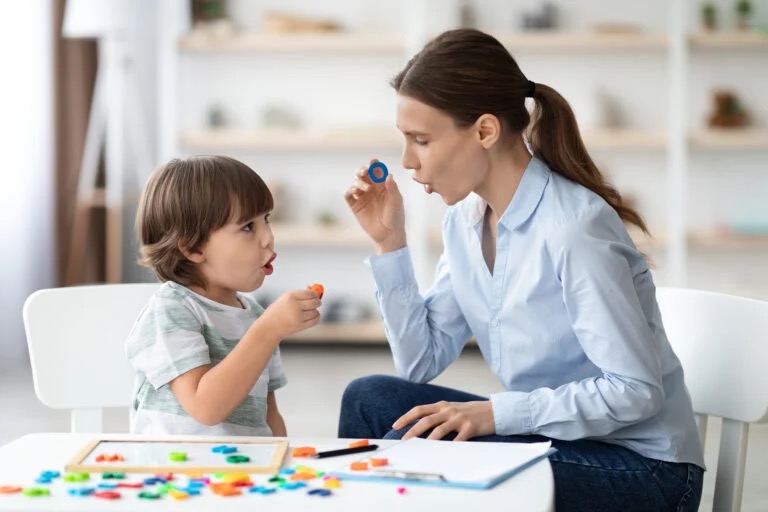
Evidence-based therapies, especially Applied Behavior Analysis (ABA), are central to the life skills autism academy’s approach. ABA breaks down complex skills into manageable steps, using positive reinforcement to encourage learning. This method is highly adaptable, making it effective for teaching everything from brushing teeth to joining group activities.
Therapists at the academy use structured sessions and best practices to help children generalize skills across settings. For a detailed look at successful strategies, see this ABA session guide and best practices. The focus is always on progress, using real-time data to personalize teaching and celebrate every achievement.
Individualization and Cultural Sensitivity
No two children are the same. The life skills autism academy recognizes that each child’s strengths, needs, and cultural background must shape their learning plan. Individualized programs ensure that interventions are meaningful and respectful of each family’s values.
Culturally sensitive care addresses language, traditions, and family dynamics. This approach builds trust and helps families feel truly supported, leading to better engagement and outcomes for every child.
Essential Life Skills and Long-Term Success
Some of the most important life skills taught at the life skills autism academy include:
- Self-care (e.g., toileting, dressing, eating)
- Communication (both verbal and nonverbal)
- Emotional regulation (managing feelings, coping with stress)
- Social interaction (turn-taking, making friends, responding to others)
These skills are building blocks for later success in school, work, and community life. Studies have shown that children with strong life skills are more likely to transition smoothly into mainstream education and, eventually, employment.
A targeted focus on life skills doesn’t just help children today. It sets them up for a brighter, more independent future, empowering families and opening doors to lifelong possibilities.
Inside Life Skills Autism Academy: Vision, Mission, and Approach
Every child deserves a path to a bright, independent future. At the heart of life skills autism academy is a deep commitment to helping children with autism flourish, not just today but for years to come. This journey begins with a clear vision and a passionate team dedicated to making lasting change.
Our Mission and Vision
The mission of life skills autism academy is simple yet profound: empower every child with autism to reach their fullest potential and achieve lifelong independence. The Academy’s vision centers on preparing children not just for school, but for life as confident, capable individuals.
What sets life skills autism academy apart is its unwavering belief in every child’s unique strengths. The Academy strives to create an environment where children can build the foundational skills they need to thrive in 2026 and beyond.
Holistic and Child-Centered Approach
At the core of life skills autism academy is a holistic, child-centered philosophy. Instead of one-size-fits-all solutions, the Academy designs personalized learning experiences for each child. This means every program is shaped by the child’s interests, cultural background, and specific needs.
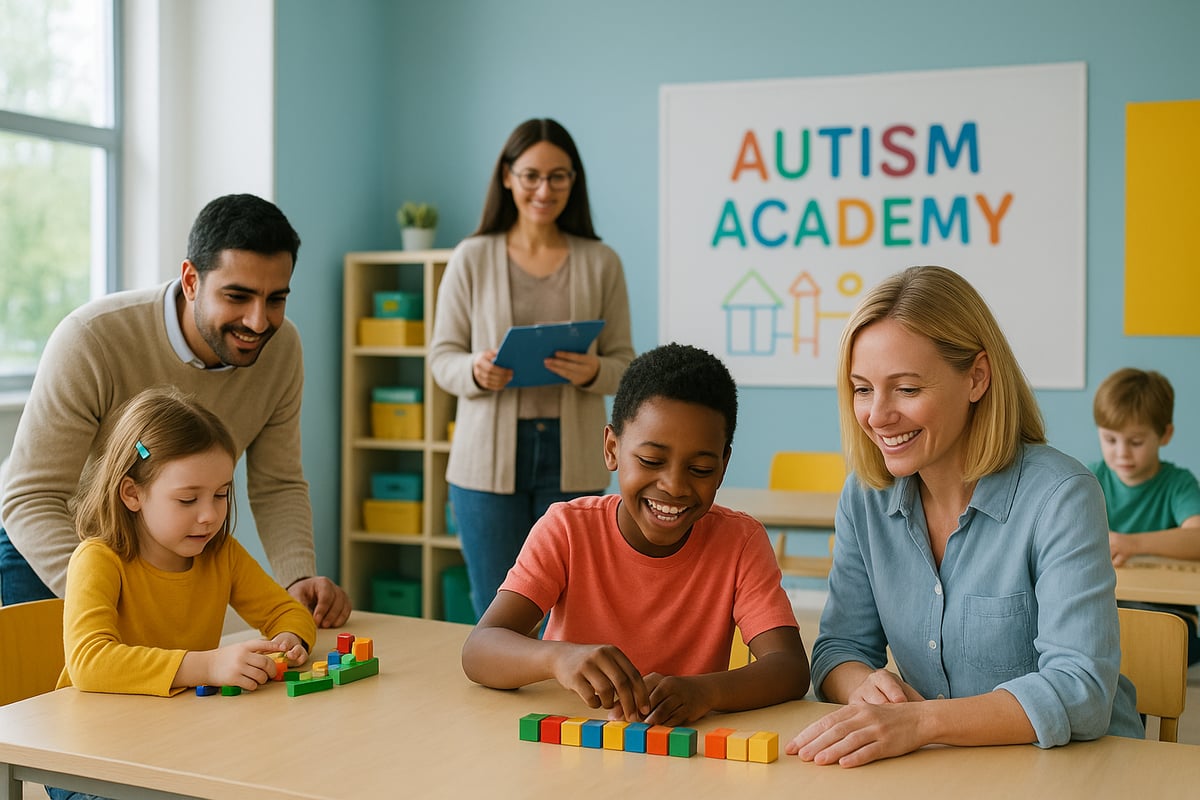
The Academy’s approach blends structured routines with playful, naturalistic learning. Children learn through engaging activities that mirror real-life situations, helping them master skills like communication, self-care, and emotional regulation in ways that feel meaningful and fun.
Expert Interdisciplinary Team
Success at life skills autism academy is made possible by a passionate, highly qualified team, including:
- Board Certified Behavior Analysts (BCBAs)
- Licensed therapists and educators
- Occupational and speech therapists
- Dedicated support staff
Their collaborative expertise ensures that every child receives comprehensive, coordinated care. Many team members hold advanced degrees or certifications in autism intervention and child development. Ongoing training and a culture of continuous improvement help keep the Academy at the forefront of evidence-based practice.
| Team Member | Qualifications | Role in Child’s Progress |
|---|---|---|
| BCBA | Board Certification | Assessment, program design |
| Speech Therapist | Licensed, ASHA certified | Communication skills |
| Occupational Therapist | Licensed, pediatric focus | Sensory and daily living |
| Educator/Instructor | Special Ed certification | Academic and social skills |
Individualized and Culturally Responsive Programs
Every child’s journey at life skills autism academy begins with a thorough assessment. The team works closely with families to set goals that reflect the child’s abilities, challenges, and cultural context. Programs are flexible, adapting as children grow and learn.
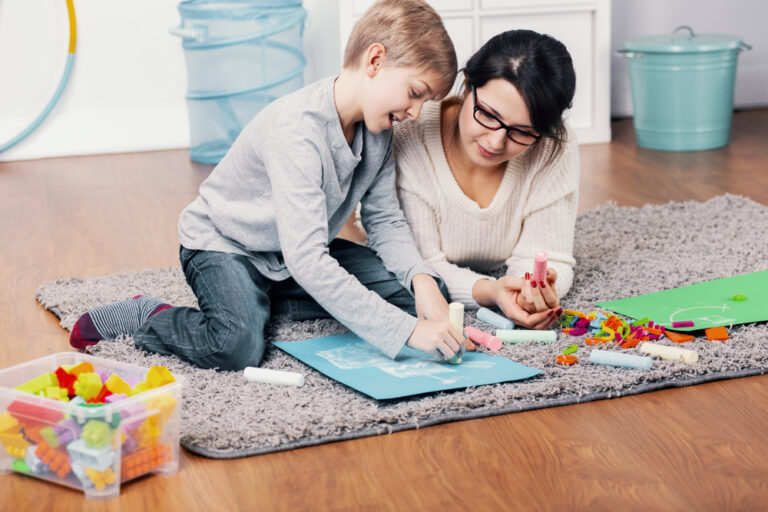
For example, a child who loves music may have rhythm-based activities woven into their daily routine to build communication skills. Another who enjoys art may use drawing as a tool for emotional expression and self-regulation. This level of personalization helps children feel valued and motivated.
Family and Community Partnerships
Families are true partners at life skills autism academy. The Academy values open communication, regular progress updates, and ongoing parent training. Community connections, such as collaborations with local schools and agencies, further support each child’s success.
To learn more about the Academy’s mission and comprehensive programs, visit the Life Skills Autism Academy’s mission and programs page.
Data-Driven Outcomes
The Academy is proud of its measurable impact. Outcomes are tracked using regular assessments and family feedback. Many children show significant gains in self-help, communication, and social skills within the first year.
Staff qualifications and student success rates are consistently above national averages for similar programs. The Academy’s dedication to high standards ensures that families see real, lasting progress.
Committed to Lifelong Success
Life skills autism academy stands as a beacon of hope and possibility. By combining a future-focused vision, a compassionate team, and evidence-based programs, the Academy is shaping brighter futures for children with autism—one skill, one family, and one success story at a time.
Comprehensive Programs and Services: Building Blocks of Independence
Empowering children for independence is at the heart of life skills autism academy. Each program is thoughtfully designed to help children grow, learn, and thrive in everyday life. By focusing on practical skills and real-world learning, the Academy creates a pathway to greater confidence and autonomy.
Core Programs: Early Intervention to School Readiness
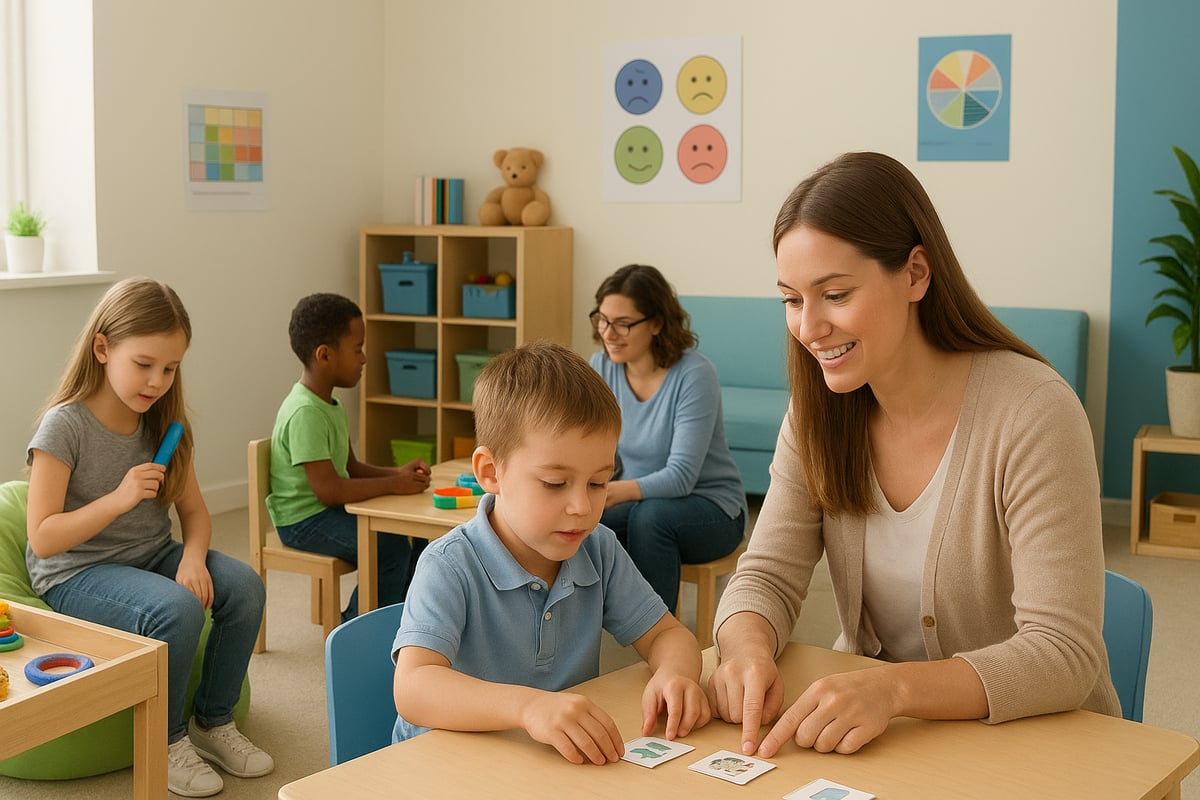
At life skills autism academy, programs span from early intervention for toddlers to comprehensive school readiness for older children. Early intervention uses play-based Applied Behavior Analysis (ABA) to build foundational skills. Center-based ABA therapy offers a structured environment where children practice communication, social interaction, and daily routines. Social skills groups help children learn how to share, take turns, and build friendships. School readiness programs prepare children for classroom success by teaching routines, following instructions, and working in groups.
Every service is tailored to the child’s developmental stage and unique strengths. This individualized approach ensures each child receives the right support at the right time.
Assessment and Intake: Creating Personalized Plans
The journey at life skills autism academy begins with a detailed assessment and intake process. Families participate in diagnostic evaluations and functional assessments to identify each child’s needs. The team gathers insights on communication, behavior, strengths, and areas for growth.
Based on this information, an individualized treatment plan is crafted. Goals are set collaboratively with families, ensuring cultural sensitivity and respect for each child’s background. This personalized planning lays the foundation for meaningful progress.
Daily Structure: Routines That Build Confidence
A typical day at life skills autism academy is filled with engaging activities that promote learning and independence. Children might start with a morning circle, followed by structured play, one-on-one therapy, and group activities. Visual schedules and clear routines help children feel secure and understand what comes next.
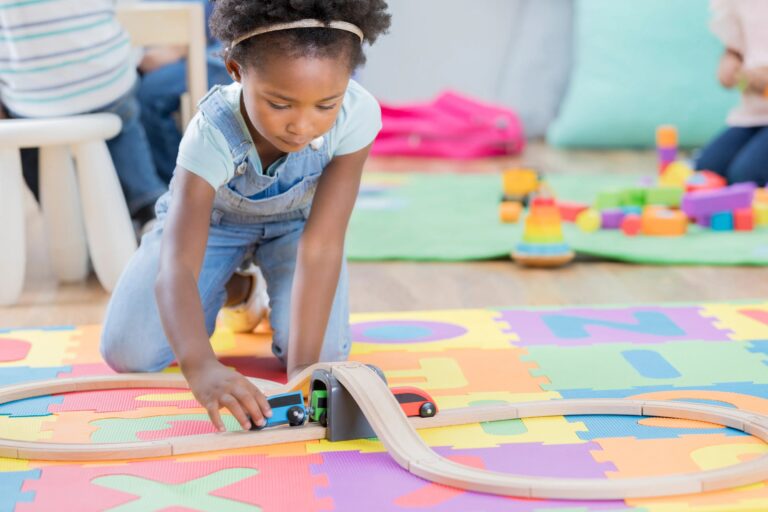
Play-based learning is woven throughout the day. Activities are designed to be fun and motivating, making skill-building a positive experience. Each child’s day is balanced between learning, play, and rest, supporting both growth and well-being.
Data-Driven Instruction and Progress Reviews
Life skills autism academy uses data-driven instruction to guide every step of a child’s journey. Therapists collect data during each session, tracking progress on targeted goals. Regular progress reviews ensure that strategies remain effective and are adjusted as needed.
This commitment to ongoing monitoring means families always know how their child is doing. Progress is celebrated, and any challenges are addressed quickly, keeping every child on the path to success.
Additional Supports: Speech, OT, and Sensory Integration
Beyond ABA therapy, life skills autism academy offers a range of additional supports. Speech therapy helps children communicate their needs and express themselves. Occupational therapy focuses on fine motor skills, sensory processing, and self-care tasks like dressing and feeding.
Sensory integration activities help children learn to manage their responses to sights, sounds, and textures. Behavioral consultation is available to support families and address specific challenges at home or in the community.
Targeted Goals: Building Independence and Self-Help
The Academy sets clear, practical goals for every child. These might include toileting, dressing, feeding, communication, and making friends. By targeting self-help and adaptive skills, the Academy prepares children for greater independence both now and in the future.
For more on how these essential skills are taught, see Promoting independence and self-help skills. Real-life practice and repetition help children gain confidence in everyday tasks, setting the stage for lifelong success.
Technology and Innovative Teaching Tools
Life skills autism academy embraces technology to enhance learning. Visual supports, tablet-based activities, and interactive games are used to reinforce new skills. These tools make learning engaging and accessible for all children.
Staff continually explore new methods and resources to improve outcomes. By combining innovation with evidence-based practice, the Academy ensures every child receives the most effective support possible.
Measurable Outcomes: Tracking Success
Success at life skills autism academy is measured by real progress in daily living skills. Many children achieve significant milestones, such as increased communication, improved social interactions, and greater independence at home and school.
Data from the Academy shows that a high percentage of children meet or exceed their developmental goals. Regular reporting keeps families informed and involved, making them active partners in their child’s journey.
Every step is guided by compassion, expertise, and a belief in every child’s potential. The Academy’s programs are not just about learning skills—they are about building a brighter, more independent future.
Success Stories and Measurable Outcomes: Real-World Impact
Real-world progress is at the heart of every family’s hope when they join life skills autism academy. Parents want to see their children grow in independence, communication, and confidence. That’s why the Academy’s approach centers on measurable outcomes, ensuring every milestone is celebrated and every step forward is supported.
Case Stories: Transforming Daily Life
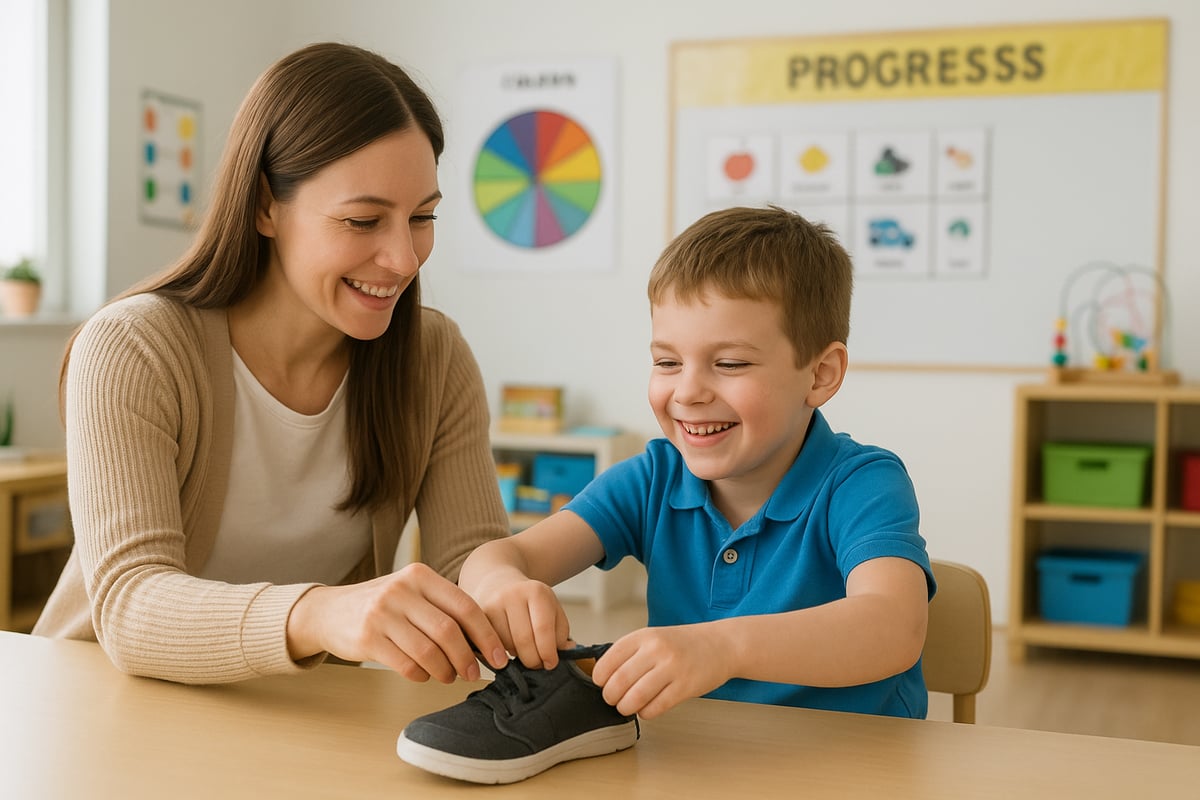
Take the story of Mia, a six-year-old who arrived at life skills autism academy with limited verbal communication and challenges in self-care. Through individualized ABA therapy and persistent encouragement, Mia learned to express her needs using a speech device and now participates in group activities with peers. Her family reports that she can brush her teeth, dress herself, and even help set the table at home. These achievements, once distant goals, became reality with the Academy’s support.
Another child, Ethan, struggled with transitions and frequent meltdowns in new environments. After several months at life skills autism academy, Ethan developed coping strategies and now transitions smoothly between classroom activities. His teachers note significant improvements in emotional regulation and peer interactions. These before-and-after stories illustrate how targeted interventions can open doors to independence.
Measuring Progress: Data-Driven Outcomes
At life skills autism academy, progress is not left to chance. Every child’s journey starts with a detailed assessment, setting the foundation for personalized goals. The Academy tracks skill acquisition using clear benchmarks, such as the number of new words spoken, successful social exchanges, or independent toileting. For example, in the past year, 85% of children at the Academy demonstrated measurable growth in daily living skills within six months of enrollment.
Reduction in challenging behaviors is another critical outcome. Families have reported a 60% decrease in problem behaviors, like aggression or self-injury, after consistent participation in center-based programs. School readiness metrics, such as following group instructions and interacting with classmates, are also closely monitored. These results are shared with families through regular progress meetings and detailed reports.
Testimonials and Evidence-Based Results
Parents and caregivers frequently share how life skills autism academy has changed their lives. One parent wrote, “We never thought our son would be able to join a birthday party or tell us how he feels. Now, he does both, and so much more.” Therapists celebrate every milestone, from a child’s first successful conversation to making a new friend.
The Academy’s commitment to transparency includes using research-backed methods and staying updated with the latest studies. For families seeking assurance that intensive, individualized support truly works, it’s reassuring to know that similar approaches have been shown effective in the scientific community. For instance, recent research highlights the impact of daily living skills intervention training in autism centers, echoing the Academy’s success in helping children thrive. You can learn more about these outcomes in this study on improving daily living skills in children with autism.
By consistently measuring and celebrating progress, life skills autism academy empowers children and their families to achieve lasting change. Every success story is a testament to what is possible with the right support and a compassionate, evidence-based approach.
Preparing for 2026 and Beyond: Innovations and Future Directions
The landscape of autism education is evolving rapidly, and life skills autism academy is at the forefront of this transformation. As families look toward 2026, the need for adaptive, forward-thinking approaches has never been more critical. The Academy continues to anticipate emerging trends, ensuring that children with autism are prepared for an ever-changing world.
Embracing Innovation in Autism Education
Innovation drives progress at life skills autism academy. The Academy closely monitors advances in autism research, integrating new findings into its curriculum and therapy models. By staying connected to the latest developments, the Academy ensures every child benefits from the most effective, up-to-date strategies.
Families can expect a future where life skills autism academy prioritizes both proven methods and the flexibility to adapt to each learner’s unique needs. This blend of tradition and innovation sets the stage for lasting success.
Leveraging Technology for Greater Impact
Technology is reshaping how children with autism learn and grow. At life skills autism academy, interactive tools like speech-generating devices, specialized apps, and digital learning platforms are increasingly woven into daily routines. These resources help children practice communication, social, and self-care skills in a fun, engaging way.
The Academy is exploring new ways to personalize learning through data-driven insights. Progress-tracking software and virtual reality experiences may soon become standard, giving children even more opportunities to build independence.
New Initiatives and Collaborations
Life skills autism academy is expanding its reach by launching new locations and forming partnerships with leading research institutions. These collaborations open doors to groundbreaking studies, pilot programs, and enhanced curriculum options.
Upcoming initiatives include community outreach projects and the development of resources tailored to underserved populations. The Academy’s forward-thinking mindset ensures every family has access to high-quality life skills programming.
Commitment to Evidence-Based Excellence
Evidence-based practice remains the cornerstone of life skills autism academy. The Academy continually reviews and refines its methods, drawing from global best practices and the latest scientific research. For example, recent reviews show TEACCH interventions enhance adaptive skills in children with autism, supporting the Academy’s commitment to proven strategies.
Staff training and professional development are ongoing priorities, ensuring that every intervention is grounded in research and tailored to each child’s needs.
Looking Ahead: Expert Insights and 2026 Goals
Experts predict that the future of autism education will be shaped by increased personalization, greater use of technology, and stronger community integration. Life skills autism academy is setting ambitious goals for 2026, such as improving transition rates to mainstream schools and expanding support for families nationwide.
Long-term research, like studies on long-term outcomes of social interventions for autism, guides the Academy’s vision. By focusing on measurable outcomes and continuous improvement, the Academy empowers every child and family to achieve their full potential in the years ahead.
Frequently Asked Questions: Navigating Life Skills Autism Academy
Navigating the journey with life skills autism academy can feel overwhelming, especially for families new to autism services. Here are answers to the most common questions, designed to make your experience smoother and more empowering.
What is the eligibility for life skills autism academy and how do I enroll?
Eligibility typically includes a diagnosis of autism spectrum disorder and a recommendation for ABA therapy. The enrollment process involves an initial consultation, assessment, and review of your child’s needs. Families can contact the Academy directly to begin.
Does life skills autism academy accept insurance and what are typical costs?
Most locations accept major insurance plans. Coverage details and out-of-pocket costs vary, so the Academy’s intake team will guide you through insurance navigation and available financial assistance options.
What’s the difference between center-based and in-home therapy?
Center-based therapy at life skills autism academy provides a structured, social environment with access to group learning, specialized equipment, and a team of therapists. In-home therapy offers convenience and comfort but may lack peer interaction and resources found onsite.
How does the Academy provide individualized care and support cultural diversity?
Programs are tailored to each child’s strengths, needs, and cultural background. The Academy’s team collaborates with families to ensure interventions are respectful and responsive.
How should I prepare my child for the first day?
Talk with your child about what to expect, bring comfort items if needed, and review the daily schedule with your assigned therapist. The Academy encourages gradual transitions to help children adjust smoothly. For more guidance on easing transitions, visit School transitions for autistic children.
Who are the staff at life skills autism academy and what qualifications do they hold?
The team includes Board Certified Behavior Analysts, experienced therapists, educators, and support staff, all trained in evidence-based autism interventions and safety protocols.
What safety measures and daily routines are in place?
Safety is a top priority. The Academy follows strict protocols for health, supervision, and emergency preparedness. Daily routines balance structured learning, play, and sensory breaks.
How can families maximize benefits and stay involved?
Active family involvement is encouraged through regular communication, parent workshops, and collaboration on goals. Explore Parent training and support in ABA for strategies to extend learning into the home and community.
Where can I get more information or support?
Contact your nearest life skills autism academy for personalized assistance or visit their website for resources and updates.
If you’ve made it this far, you already know how life skills can open doors for children with autism—giving them the confidence, independence, and happiness they deserve. At Life Skills Autism Academy, you’ll find a caring team that truly understands your family’s journey and is committed to helping your child thrive, not just today, but well into the future. If you’re ready to take the next step toward a brighter 2026 and beyond, let’s walk this path together. You can Enroll now and start building lasting success for your child.